Situational awareness is a critical cognitive skill in football, enabling players to perceive, understand, and predict dynamic situations on the field.
It involves knowing the positions of teammates and opponents, understanding game flow, and anticipating future events to make split-second decisions. This science-backed skill significantly influences team performance and safety in the game.
Understanding Situational Awareness

Situational awareness refers to a player’s ability to perceive elements in the environment, comprehend their meaning, and project their status in the near future.
In football, this means recognizing the location of the ball, players’ positions, and anticipating movements both offensively and defensively. It is a complex process involving real-time sensory input, pattern recognition, and previous experience to guide decision-making.
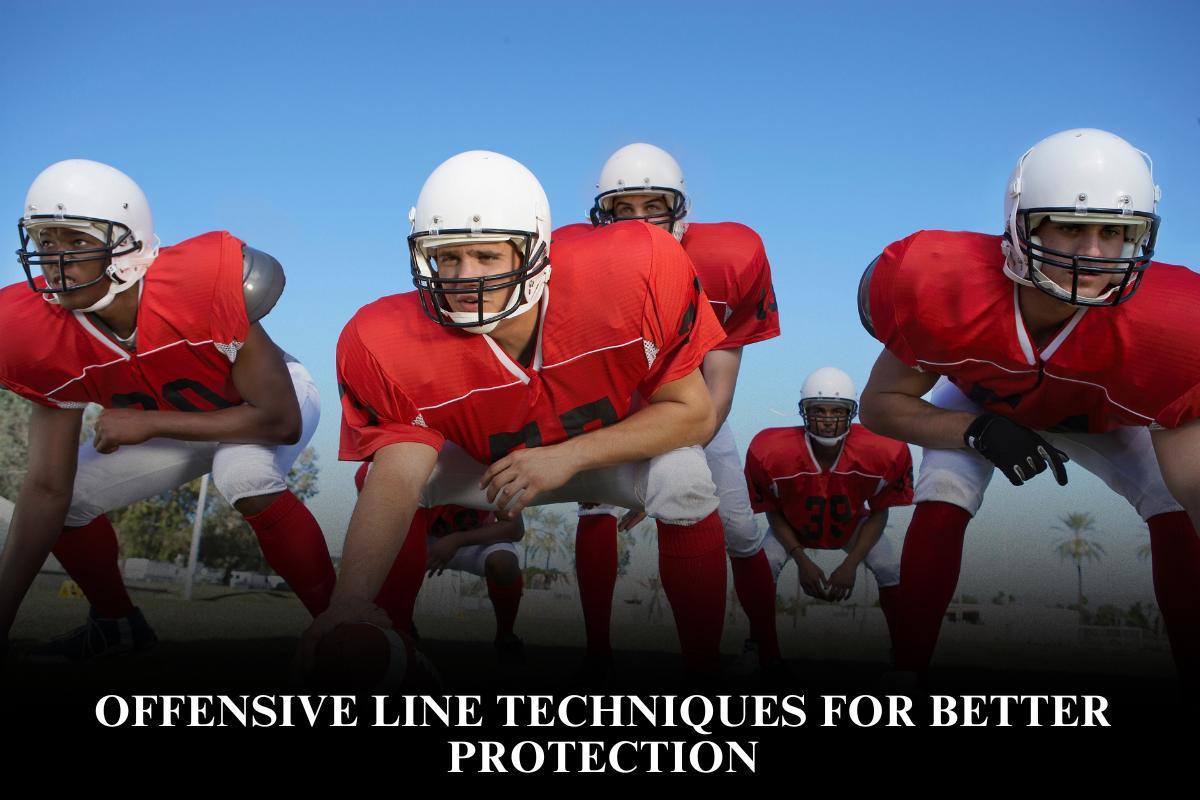
Football players, especially quarterbacks, must quickly scan the defense, assess options, and decide the best course of action. For example, elite players like Tom Brady excel due to their exceptional situational awareness, allowing them to anticipate opposing team strategies and exploit openings.
Team Shared Situational Awareness

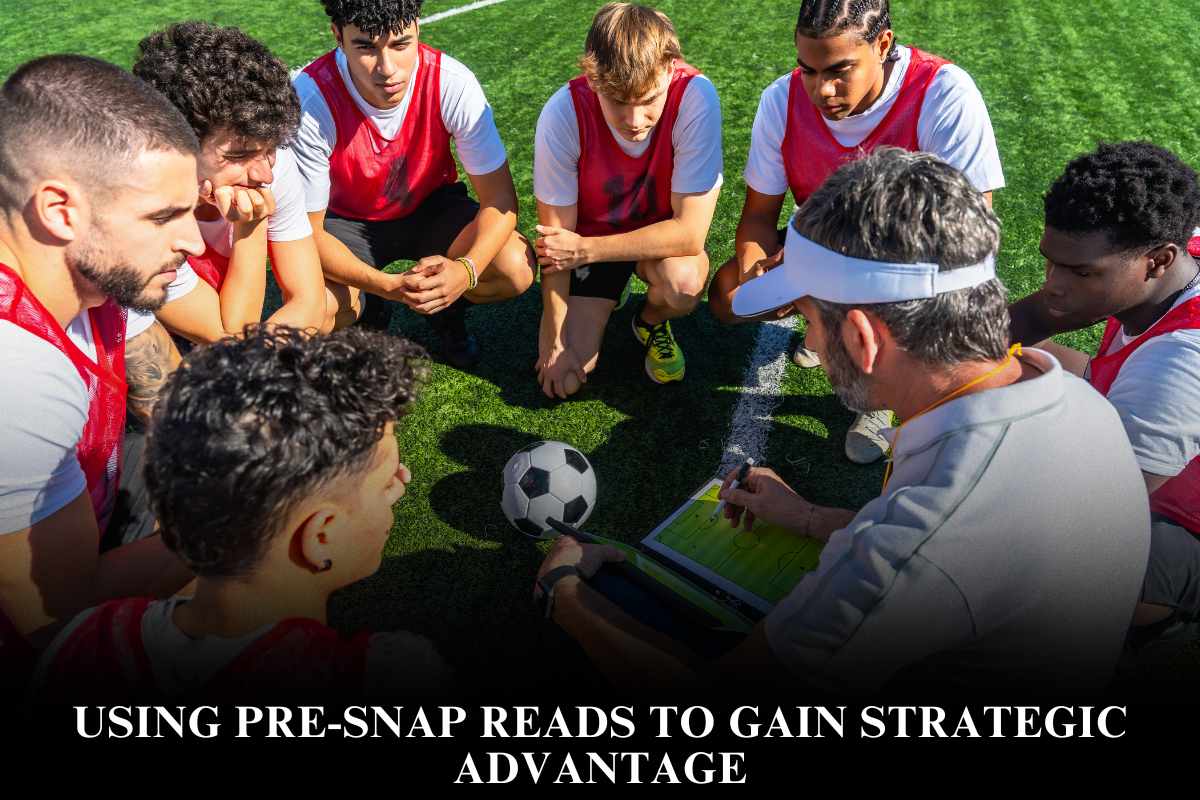
Beyond individual awareness, effective football teams develop shared situational awareness, where players and coaches maintain a common understanding of the game situation. This shared mental model ensures coordinated and synchronized team actions.
Studies show that teams with high shared situational awareness demonstrate better defensive and offensive coordination, reducing miscommunications and improving performance.
Shared awareness helps players move in unison, optimizing positioning and making strategic plays possible. However, challenges arise due to differing perspectives, especially during complex offensive plays. Coaches emphasize consistent communication and standardized play approaches to enhance shared understanding.
Developing Situational Awareness in Football

While some consider situational awareness an innate “football instinct,” research shows it can be taught and improved through coaching and practice.
Techniques involve drills that simulate game scenarios, video review sessions to analyze positional choices, and fostering decision-making under pressure.
Consistent coaching approaches across team groups also increase confidence and reduce errors, such as missed tackles.
Situational awareness training not only improves game effectiveness but also enhances player safety by minimizing risky plays and improving reaction times to avoid collisions.
FAQs
What is situational awareness in football?
Situational awareness in football is the ability to perceive the environment, understand the positions and intentions of players, and anticipate future movements to make effective decisions during game play.
How does shared situational awareness benefit football teams?
Shared situational awareness creates a common understanding among teammates and coaches, enabling coordinated actions, reducing errors, and optimizing both defensive and offensive strategies on the field.
Can situational awareness be taught to football players?
Yes, situational awareness can be developed through coaching, practice drills, video analysis, and standardized strategies that improve players’ ability to read and react to the dynamic game environment.
Why is situational awareness important for safety in football?
High situational awareness helps players recognize threats and avoid dangerous collisions, reducing the risk of injuries such as concussions. It also leads to better tackling techniques and faster reactions.