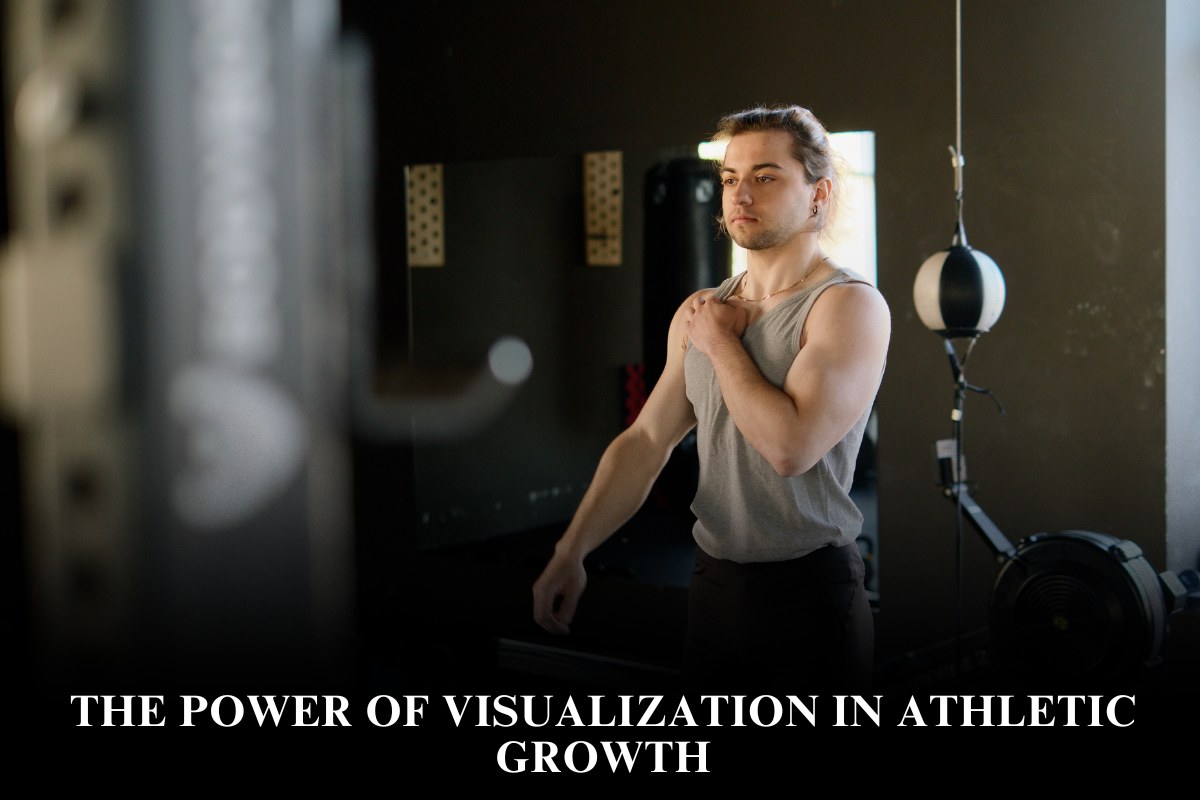
Visualization harnesses mental imagery to prime neural pathways, boosting athletic performance by 10-20% in skills like free throws and strength per U.S. sports psychology research from NSCA and AASP.
Elite athletes like Tiger Woods and Cristiano Ronaldo use it daily to enhance confidence, focus, and execution under pressure. PETTLEP-guided sessions—Physical, Environment, Task, Timing, Learning, Emotion, Perspective—yield measurable gains in motivation and consistency.
Neural Mechanisms Driving Gains

Imagery activates the same motor cortex regions as physical practice, firing muscles via psycho-neuromuscular theory without fatigue. Studies show 13.5-35% strength increases from visualization alone, as the brain codes schema for automatic recall. Cluster analyses reveal top athletes excel in skill, strategy, goal, affect, and mastery imagery, correlating with higher achievements via SIAQ profiles.
Process visualization rehearses steps; outcome imagery pictures victory; motivational variants evoke thrill, reducing anxiety 20-30%.
Proven Performance Enhancements
Meta-analyses confirm guided imagery lifts peak power, VO2max, and consistency—elite clusters score 6.0+ on SIAQ vs. amateurs’ 4.5-5.0. Alpine skiers post-6-month intervention cut slalom times significantly (p<0.05), with strategy/affect imagery surging. Basketball free-throw accuracy rises via Chicago studies; golf putting improves through Woods-style routines.

Peak performances blend physical prep with mental focus/confidence, per NSCA; 6-month protocols enhance motivation and emotional regulation.
Practical Techniques for Athletes
PETTLEP Protocol (10-15 min daily):
- Physical: Tense muscles as imaged.
- Environment: Sense gym noise/bar texture.
- Task: Specific lift (e.g., clean landing).
- Timing: Match real duration.
- Learning: Correct form only.
- Emotion: Feel triumph.
- Perspective: First-person internal/external mix.
Pre-competition: Visualize flawless reps/outcomes. Injury rehab: Rehearse return plays. Integrate with self-talk: “Smooth pull, explosive hips.”
Integrating into Training Cycles

Periodize per NSCA: Off-season goal imagery builds base; pre-comp strategy for tactics; in-season affect for arousal control. 2x/week sessions complement lifts—image explosive cleans before sets. Track via journals: vividness (1-10), perceived gains. Coaches cue: “See the bar path now.”
Youth/non-elites gain most from consistent 20-min routines, per Frontiers studies.
Evidence from U.S. Programs
NSCA Coach programs pair imagery with periodization: strength phase visualizes loads; power adds emotion. AASP endorses for NCAA athletes, yielding focus gains. Longitudinal data: Higher imagery clusters (e.g., Cluster 1: 6.08 global score) dominate vs. low (4.36).
FAQs
1. How does visualization build strength?
Activates motor pathways; 13.5-35% gains without lifting per Cleveland Clinic.
2. Best daily duration?
10-15 min PETTLEP; 2x/week for max ROI.
3. Differences by athlete level?
Elites score higher on SIAQ; tailored training closes gaps.
4. Combine with physical training?
Yes—image pre-set; boosts consistency per NSCA.
5. Measures success?
Journals, SIAQ scores, performance metrics (e.g., lift PRs).