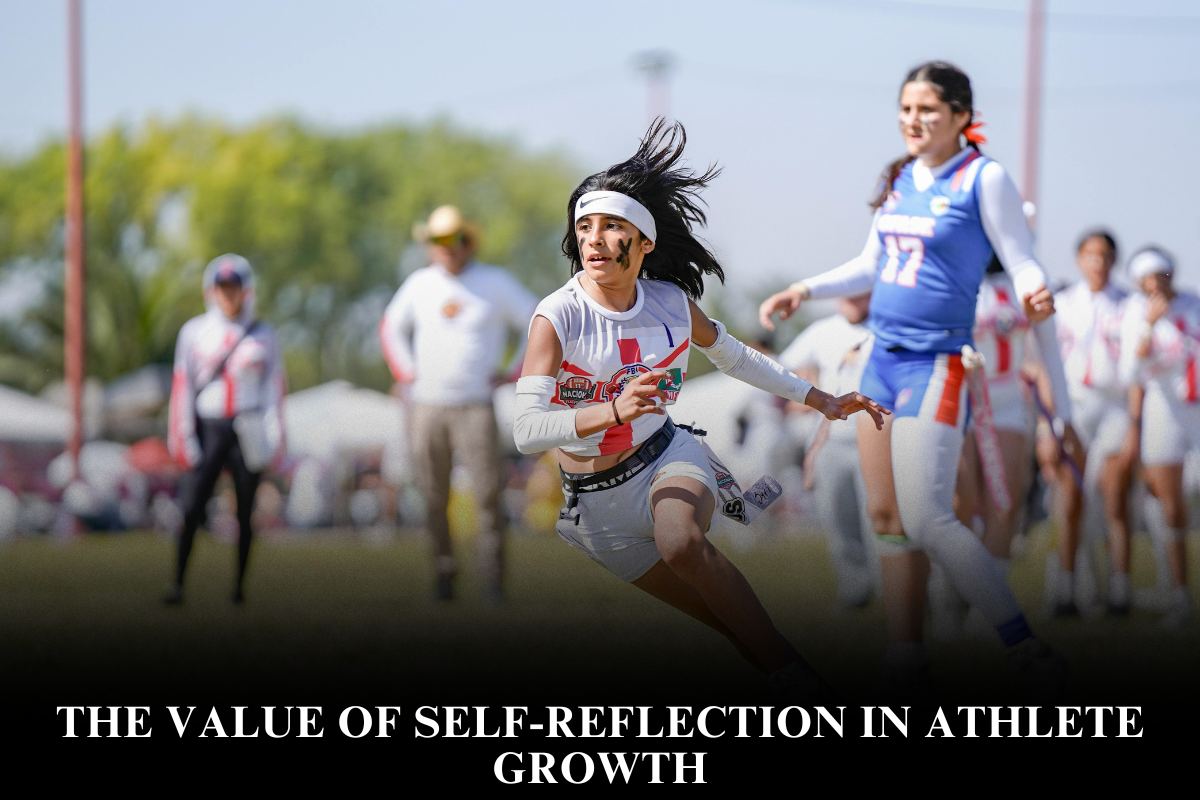
Football is more than just a game; it is a profound platform for developing leadership qualities, character, and mentorship skills. In the United States, many coaches and players view football as a vehicle for shaping men into responsible, empathetic, and inspiring leaders.
The leadership mindset cultivated on the gridiron extends beyond the field, influencing personal lives and community connections.
Leadership in Sports: Building Supportive Leaders

Effective leadership in football revolves around fostering trust, empathy, and accountability. Modern coaches emphasize the importance of understanding teammates’ perspectives and encouraging growth through supportive behaviors.
Empathy serves as a foundation, allowing leaders to connect with players on a deeper level, fostering motivation and resilience. Coaches are also shifting away from old-school yelling tactics, instead focusing on praise and constructive feedback to inspire excellence.
Football as a Classroom for Accountability and Teamwork
Football uniquely teaches accountability. Players learn to take responsibility for their roles, which cultivates discipline and integrity. As one player recounts, reviewing game footage reveals that mistakes are shared, emphasizing collective responsibility rather than blaming individuals.

This ritual enhances trust within teams, making players more willing to take risks, communicate openly, and support one another.
Teamwork is vital for leadership growth. Winning teams often credit mutual respect and shared goals. Coaches and players emphasize that leading by example—congratulating teammates’ successes and supporting those who falter—builds strong bonds that foster unity and trust.
Transformational Leadership on the Field
Transformational leadership, characterized by inspiration and mentorship, is central to sports excellence.

Coaches like Duran McLaurin and Jermaine Harper highlight that nurturing personal growth, resilience, and integrity among players transcends winning games. Such leaders motivate individuals to excel academically, socially, and athletically.
Mentors also cultivate future leaders by creating opportunities for young players to take charge on and off the field.
Empowering players with leadership roles, like strategic discussions or team responsibilities, fosters confidence and accountability. This approach prepares athletes to carry leadership qualities into life beyond football.
FAQs
What qualities define a good football leader?
A good football leader demonstrates empathy, accountability, resilience, effective communication, and the ability to inspire teammates toward common goals.
How does football help develop leadership skills?
Football teaches crucial skills such as teamwork, accountability, resilience, and trust. Players learn to handle setbacks, support teammates, and take responsibility—all essential traits of effective leaders.
Can football coaching impact personal development outside sports?
Yes. The leadership, discipline, and interpersonal skills gained through football are transferable to personal and professional spheres, fostering responsible and empathetic men and mentors.
What role do coaches play in developing leaders?
Coaches serve as mentors, guiding players not only in sport but also in life, by fostering personal growth, encouraging leadership roles, and modeling transformational behavior.