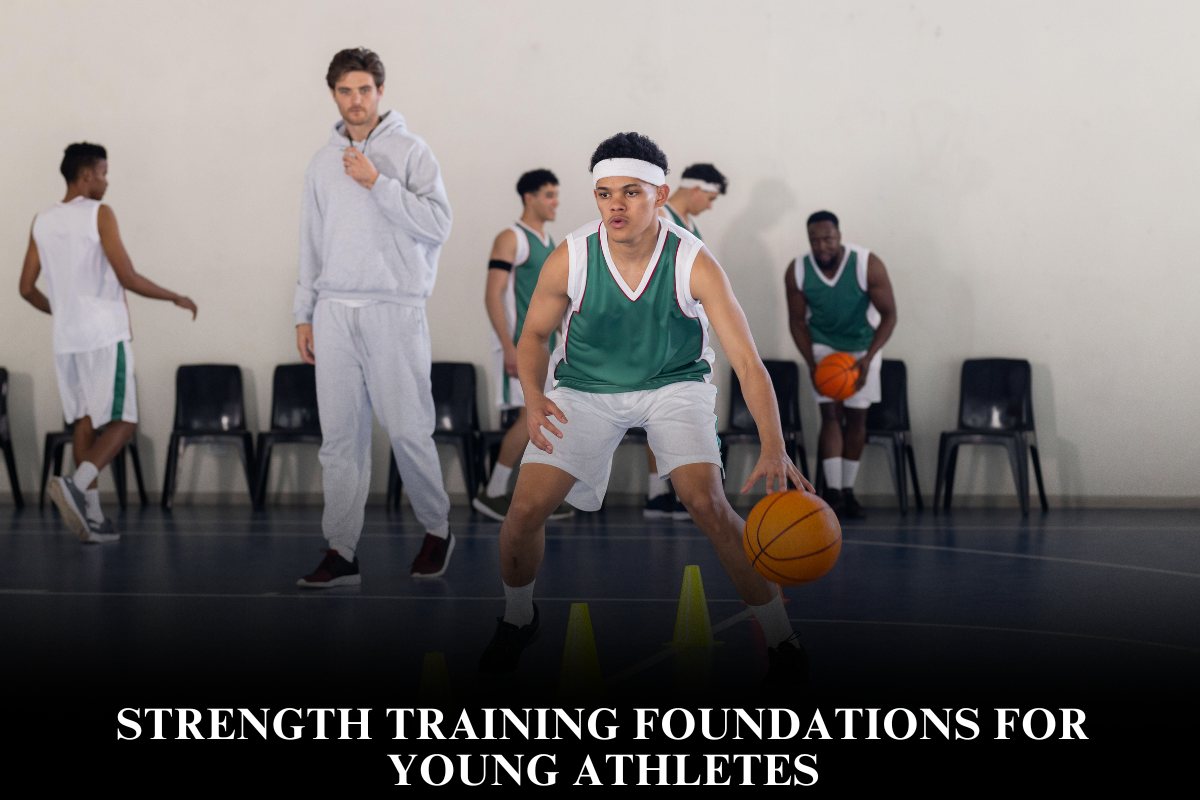
Properly supervised strength training builds a strong foundation for young athletes in the USA, enhancing performance, reducing injury risk, and promoting lifelong fitness habits.
According to guidelines from the National Strength and Conditioning Association (NSCA) and American Academy of Pediatrics (AAP), children as young as 7-8 can begin when programs match their developmental stage. This article outlines evidence-based principles tailored to USA standards.
Benefits of Strength Training
Strength training improves muscular strength, power, and motor skills in youth beyond normal growth effects. It reduces sports injury risk by up to 50% through better joint stability and coordination, as shown in reviews of supervised programs. Additional gains include enhanced bone density, improved body composition for overweight youth, and better cardiovascular profiles like insulin sensitivity.
Programs also boost psychosocial well-being, increasing confidence and adherence to physical activity. NSCA data confirms these benefits occur with 2-3 sessions weekly, without muscle hypertrophy in preadolescents—gains stem from neural adaptations like better motor unit recruitment.
Key Risks and Myths
Common myths claim strength training stunts growth or damages growth plates, but no scientific evidence supports this when guidelines are followed. Injuries are rare (0.7% of youth sports injuries) and mostly from unsupervised free-weight use or improper form, lower than football or basketball rates.

AAP warns against powerlifting, bodybuilding, or maximal lifts (1RM) until skeletal maturity due to back strain risks. Home equipment poses higher dangers without supervision; always use qualified coaches.
Age-Appropriate Guidelines
No minimum age exists, but start after mastering balance and sport skills around 7-8 years. Preadolescents (under 12) focus on bodyweight, light resistance (bands, machines), 1-2 sets of 10-15 reps at 60-80% effort, 2-3 nonconsecutive days weekly for 20-30 minutes.
Adolescents progress to free weights, plyometrics, and 2-3 sets, avoiding max lifts. CDC recommends muscle-strengthening 3 days weekly within 60 daily active minutes. Medical clearance is needed for hypertension, seizures, or cardiac issues.
Sample Beginner Program
Warm up 10 minutes (jumping jacks, arm circles). Perform 2-3 rounds, resting 1-2 minutes between sets.
- Bodyweight Squats: 10-15 reps (lower body power).
- Push-ups (knee-modified): 8-12 reps (upper body).
- Planks: 20-30 seconds (core stability).
- Lunges: 10 per leg (balance).
- Band Rows or Superman Holds: 10-15 reps (back strength).
Cool down with stretches. Progress by adding reps before weight (5-10% increments). Certified trainers (NSCA-CSCS) ensure 1:10 ratios.
Program Design Essentials
Qualified supervision is non-negotiable—use NSCA- or ACSM-certified coaches. Emphasize technique over load: master unloaded reps first, full range of motion.
Variety prevents boredom: mix machines, free weights, bodyweight. Include core work and plyometrics for athletes. Nutrition (calcium-rich), hydration, and 48-hour recovery matter. Track progress safely without frequent 1RM tests.
Implementation Tips for Coaches and Parents
Pre-program medical checks verify readiness. Make sessions fun and short to match attention spans. Combine with sport practice for transfer—strength alone doesn’t guarantee performance.
Parents: Avoid home max lifts; join school/club programs. Monitor for pain; stop and evaluate. Long-term: Builds habits reducing adult obesity risks.
FAQs
Q1: At what age can young athletes start strength training?
A: No set minimum, but AAP and NSCA recommend after age 7-8 when balance and instructions are followed, with pre-program medical evaluation.
Q2: Will strength training stunt my child’s growth?
A: No—myths debunked by research; supervised programs enhance bone health without growth plate damage.
Q3: How often should youth train?
A: 2-3 nonconsecutive days weekly, 20-60 minutes, per NSCA and CDC guidelines.
Q4: What equipment is safe for kids?
A: Start bodyweight/light bands; progress to child-sized machines/free weights under supervision—avoid adult max loads.
Q5: Can girls benefit equally?
A: Yes—gains match boys’ via neural adaptations; improves performance and injury prevention.