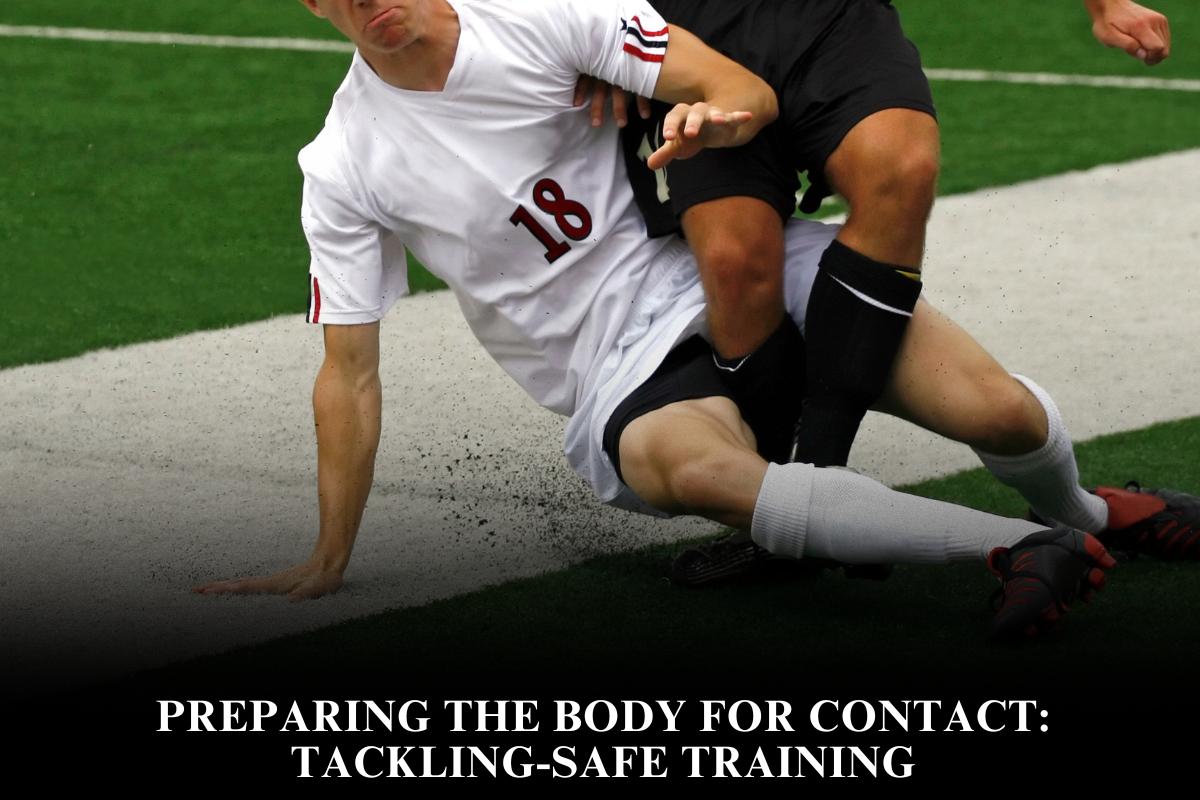
In American football, proper preparation for tackling emphasizes shoulder-first techniques to minimize injuries like concussions and neck strains, aligning with USA Football and NFHS guidelines. Coaches across youth, high school, and college levels use progressive drills to build strength, technique, and confidence before full contact. This approach ensures players execute safe, effective tackles while complying with rules banning head-first contact.
Importance of Safe Tackling
Safe tackling protects both the defender and ball carrier by reducing high-impact collisions, a priority in USA youth and high school football where injuries occur at rates up to 15 per 1,000 exposures. Organizations like USA Football promote “Heads Up Football” and shoulder tackling systems, which have lowered concussion rates by 30-50% in adopting programs. NFHS 2025 points of emphasis stress wrap-up tackles over forceful contact, holding tacklers accountable for initial engagement.
Physical Conditioning Basics

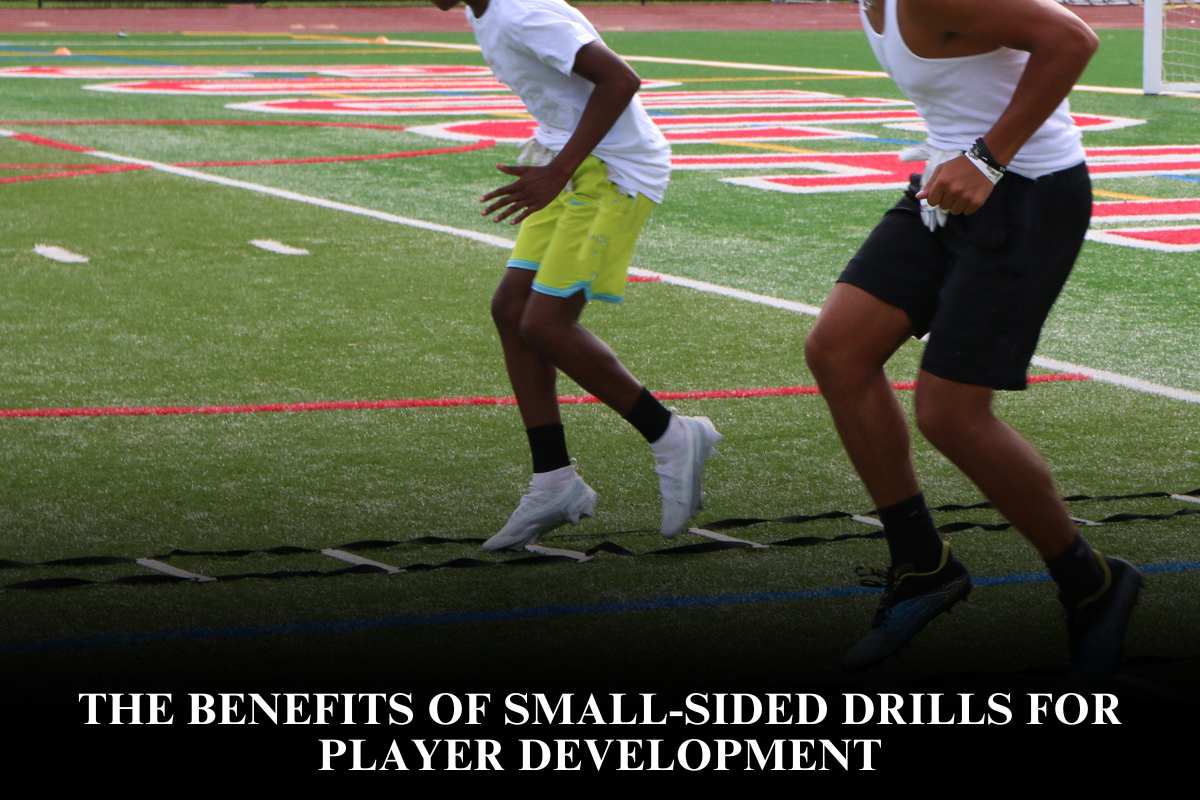
Building a strong foundation starts with pre-season conditioning focused on core strength, lower-body power, and flexibility to handle tackling forces. Exercises like squats, lunges, and planks enhance stability, preventing common issues such as ACL tears and hamstring strains during contact. Agility drills with cones or ladders improve balance and quick directional changes, essential for controlled approaches in tackles.
Key Technique Principles
Players maintain a low pad level with knees bent and feet shoulder-width apart, keeping heads up and eyes on the target’s midsection. The “near foot, far foot” method plants the closest foot first for balance, followed by driving off the back foot to generate power without overcommitting. Contact initiates with the shoulder striking the thighs or midsection, immediately followed by arm wrap to secure and drive through safely.
Progressive Training Drills
Training progresses from no-contact to full-speed in stages, adhering to USA Football’s 30-minute full-contact limit per practice.
- Target Contact Drill: Players hit pads or dummies at thigh level with shoulders, practicing angles and head positioning to build accuracy.
- Form Tackling Drill: Pairs move at walking speed; tackler approaches, plants near foot, shoulders into midsection, and wraps arms without live speed.
- Wrap and Roll Drill: After shoulder contact, players wrap tightly and roll to ground controlled, emphasizing safe finishes over dives.
- Progressive Tackling: Start stationary, advance to slow-motion angles, then controlled live reps to simulate game scenarios.
- Creep-to-Fit Drill: Shuffle forward in low stance to close distance under control, reducing missed tackles from lunging.

These drills, part of USA Football’s 68-lesson youth system, reinforce muscle memory while limiting head involvement.
Equipment and Rule Compliance
Properly fitted helmets, shoulder pads, and mouthguards absorb impacts, with regular checks mandated by NFHS and USA Football. Rules prohibit spearing, horse-collar tackles, and blocks below the waist outside the tackle box, with 2025 NFHS updates clarifying wrap-up for defenseless players. Coaches educate on symptoms of head injuries, promoting immediate reporting to align with AAP recommendations.
Injury Prevention Strategies
Warm-ups with dynamic stretches prepare muscles for explosive movements, while cool-downs aid recovery. Strength training year-round targets legs and core, and avoiding play-through injuries ensures long-term health. Fostering a culture praising technique over aggression keeps players safe, as seen in programs like Seattle Seahawks’ “Hawk tackling.”
Building Confidence and Culture

Drills remove fear by starting slow, progressing with positive reinforcement to instill proper habits early. USA Football’s 5 Fights Progression develops fighters through structured shoulder tackling, enhancing team defense efficiency. Consistent coaching on tracking ball carriers’ paths prepares bodies holistically for contact.
FAQs
1. What is the primary contact point in safe USA football tackling?
Shoulder-first contact targeting the ball carrier’s thighs or midsection, with head up and to the side, follows USA Football and NFHS standards to avoid helmet use.
2. How long should full-contact practice last under USA guidelines?
USA Football limits full contact to 30 minutes per practice, using defined levels like thud and live for controlled progression.
3. What footwork drill helps with tackling balance?
The “near foot, far foot” technique plants the closest foot first, driving off the back foot for power and stability without overextending.
4. Why prioritize core strength in tackling prep?
Core and lower-body conditioning protects against ACL tears, strains, and impacts by improving control and force absorption.
5. What rules ban dangerous tackles in high school football?
NFHS prohibits spearing, horse-collar grabs, and forceful contact beyond incidental or wrap-up, with 2025 emphasis on tackler responsibility.