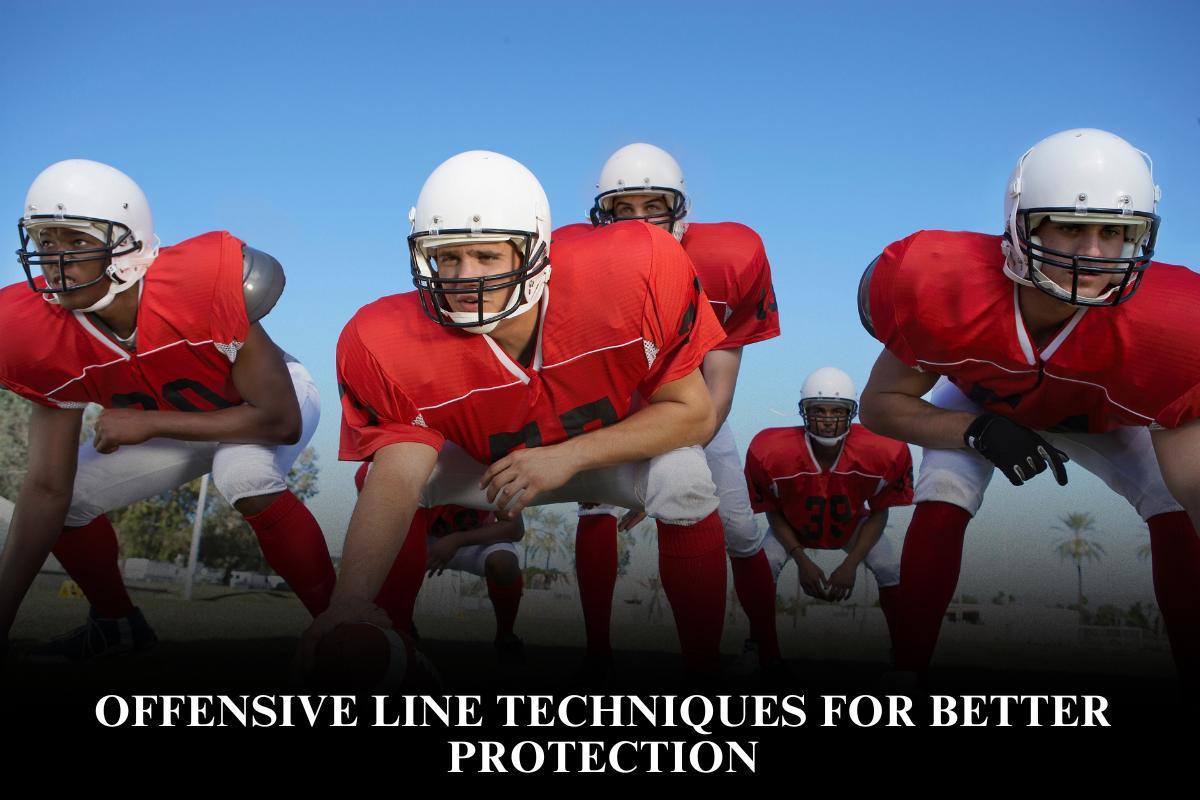
In football, precision and purpose are the cornerstones of successful play execution. Whether it’s a perfectly timed pass or a strategic run, every movement on the field is deliberate and calculated to advance the team’s goal.
Players, coaches, and teams invest heavily in training not just physical skills but also tactical discipline to ensure precision in every play.
The Role of Precision in Football

Precision in football refers to the accuracy and timing of each action, from snapping the ball to completing passes and executing tackles. This involves:
- Precise footwork to maintain balance and agility
- Accurate passing to hit receivers in stride and avoid interceptions
- Timely decisions under pressure to capitalize on openings
- Coordinated team movements to execute set plays effectively
Modern training technologies like virtual reality, precision mats, and advanced machine drills improve player accuracy and spatial awareness. These tools simulate game scenarios where players practice hitting targets and making calculated plays, sharpening their execution in live games.
Precision passing contests in the NFL showcase the elite skill of quarterbacks who combine vision, timing, and accuracy to master the game’s mental and physical demands.
Purpose-Driven Plays

Purpose in football is about strategic intent. Coaches design plays not just to move the ball but to exploit opponent weaknesses, control field position, and build momentum. This involves aligning every player’s role with a collective goal, ensuring discipline and adaptability.
Purpose-driven play requires:
- Understanding game context and opponent tendencies
- Clear communication of roles and adjustments
- Commitment to team objectives beyond individual glory
When purpose guides every snap, football moves from chaotic physicality to a high-level chess match where every move is planned and executed with intention.
Impact on Performance and Team Success

Teams that master precision and purpose demonstrate higher efficiency on offense and defense, with fewer errors and better scoring opportunities. This translates into sustained drives, effective field goals, and dominating game control.
For example, NFL and college teams employing data-driven analysis and precision drills consistently outperform rivals. The mental clarity gained from purposeful practice also helps players stay focused during high-stress moments like fourth-down conversions.
Frequently Asked Questions (FAQs)
Why is precision important in football?
Precision ensures that passes, catches, and movements happen accurately and timely, reducing errors and maximizing scoring chances.
How do players train for precision?
Players use drills focused on footwork, target passing, and game simulations, often enhanced with technology like VR and smart training mats.
What does it mean to play with purpose?
Playing with purpose means each play is executed with a clear strategic objective aligned with team goals, rather than just reactive or individual actions.
How do precision and purpose affect a team’s success?
Together, they reduce mistakes, increase scoring efficiency, and improve teamwork, resulting in better overall performance and more wins.
Can precision and purpose be developed, or are they innate?
Both can be developed through consistent practice, coaching, tactical education, and mental preparation.