Plyometric workouts build explosive power through rapid stretch-shortening cycles, enhancing athletic performance according to U.S. guidelines from organizations like the NSCA and NASM. These exercises emphasize quick eccentric loading followed by concentric bursts, ideal for sports and fitness in the USA. When performed correctly, they improve speed, jump height, and injury resilience while aligning with ACSM’s progressive training principles.
What Are Plyometrics?
Plyometrics involve explosive movements that exploit the muscle’s stretch-shortening cycle (SSC), transitioning rapidly from eccentric (lengthening) to concentric (shortening) phases with minimal amortization time.
In the USA, NSCA defines them as high-intensity drills like jumps and bounds that boost rate of force development (RFD) and neuromuscular efficiency. This training recruits fast-twitch fibers, increasing power output by 10-15% through elastic energy storage in tendons and enhanced stretch reflexes.
Key Benefits for Power
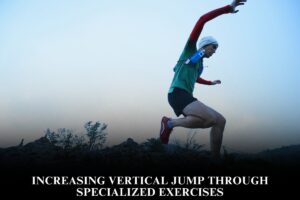
Plyometric training elevates vertical jump height, sprint speed over 10-40 meters, and agility, with studies showing consistent gains in athletes via 6-24 week programs. It strengthens joints, reduces non-contact ACL injury risk by improving neuromuscular control, and enhances running economy, per NSCA and ACSM-backed research. For everyday fitness, it boosts reactive strength for daily tasks like quick directional changes, supporting U.S. military and sports performance standards.
Essential Safety Guidelines
Start only after foundational strength: squat 1.5-2.5 times bodyweight, full ROM, no pain/swelling, and 30-second single-leg balance tests per NSCA criteria. Use 48-72 hours recovery between sessions, 1:5-1:10 work:rest ratios, and progress from low-volume (80-100 foot contacts for beginners) to higher for advanced trainees. Contraindications include acute injuries, instability, or poor technique; always prioritize soft landings to minimize joint stress.
Top Plyometric Exercises

Beginner Level (Low Intensity, Bilateral Focus):
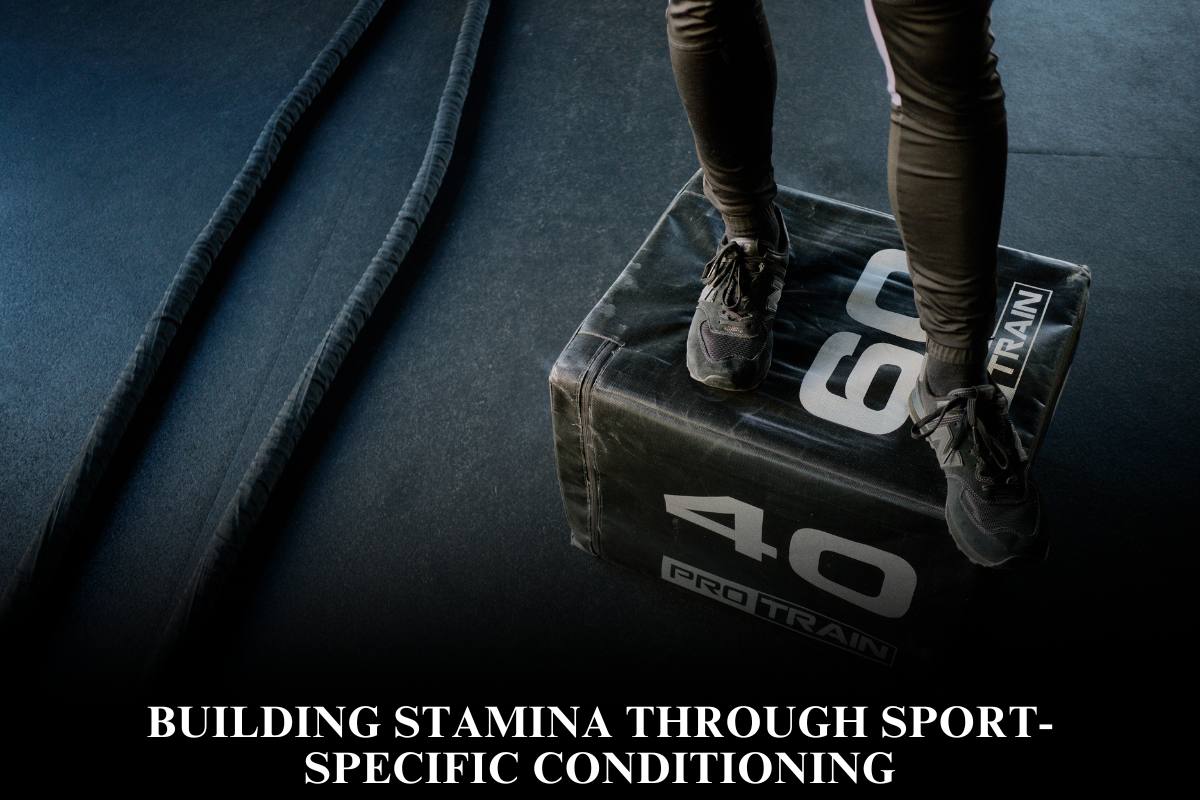
- Box Jumps: Squat and explode onto a 12-18 inch box, step down; 3 sets of 5-8 reps.
- Squat Jumps: Jump from squat position, land softly; emphasize quick ground contact.
- Lateral Bounds: Side-to-side hops over a line, 3 sets of 6 per side.
Intermediate Level (Moderate Intensity, Multi-Directional):
- Depth Jumps: Step off 12-24 inch box, rebound immediately; 3 sets of 4-6.
- Tuck Jumps: Jump high, tuck knees to chest; focus on minimal amortization.
- Medicine Ball Slams: Overhead slam from squat; 3 sets of 8-10.
Advanced Level (High Intensity, Unilateral/Combo):
- Single-Leg Bounds: Forward leaps on one leg; 3 sets of 5 per leg.
- Clapping Push-Ups: Explosive push-up with clap; upper-body power.
- Hurdle Jumps to Broad Jump: Clear low hurdles into max distance jump.
Sample Beginner Workout (2-3x/Week)
Warm-up: 5-10 min dynamic (high knees, arm circles). Perform 2-3 rounds, 60-90s rest between sets, 2-min between exercises (total ~80-100 contacts).
| Exercise | Sets x Reps | Focus |
|---|---|---|
| Squat Jumps | 3×8 | Vertical power |
| Box Jumps (low box) | 3×6 | Landing control |
| Lateral Bounds | 3×6/side | Agility |
| Medicine Ball Chest Pass | 3×10 | Upper power |
Progress by adding height, speed, or unilateral variations after 4 weeks.
Sample Advanced Workout (2x/Week)
For experienced athletes: 48-72h recovery, ~120 contacts. Integrate post-strength training.
| Exercise | Sets x Reps | Focus |
|---|---|---|
| Depth Jumps | 3×5 | Reactive strength |
| Single-Leg Tuck Jumps | 3×4/leg | Unilateral power |
| Rotational Med Ball Throws | 3×6/side | Torque |
| Hurdle Hops to Sprint | 3×4 | Speed transfer |
Monitor form; stop if fatigue compromises landings.
Progression Tips
Advance via NASM OPT model: stabilization (slow eccentrics) to strength (loaded jumps) to power (max velocity). Increase intensity by box height, reps (up to 140 contacts advanced), or planes of motion; periodize over 6-12 weeks with deloads. Track via vertical jump tests for USA athletic benchmarks.
FAQs
1. How often should beginners do plyometrics?
NSCA recommends 1-2 sessions weekly with 48-72 hours recovery to build tolerance and avoid overuse.
2. Can plyometrics help prevent injuries?
Yes, they enhance joint stability, eccentric control, and neuromuscular patterns, reducing ACL risks per U.S. studies.
3. What’s the minimum strength for starting?
Squat 1.5x bodyweight, single-leg balance 30s eyes-closed, no pain/ROM deficits.
4. How long until results?
Gains in power/speed appear in 6-8 weeks with consistent training, peaking at 12-24 weeks.
5. Are plyos safe for older adults or youth?
Low-intensity yes for supervised youth (bone density benefits); masters use minimal volume to avoid joint stress.