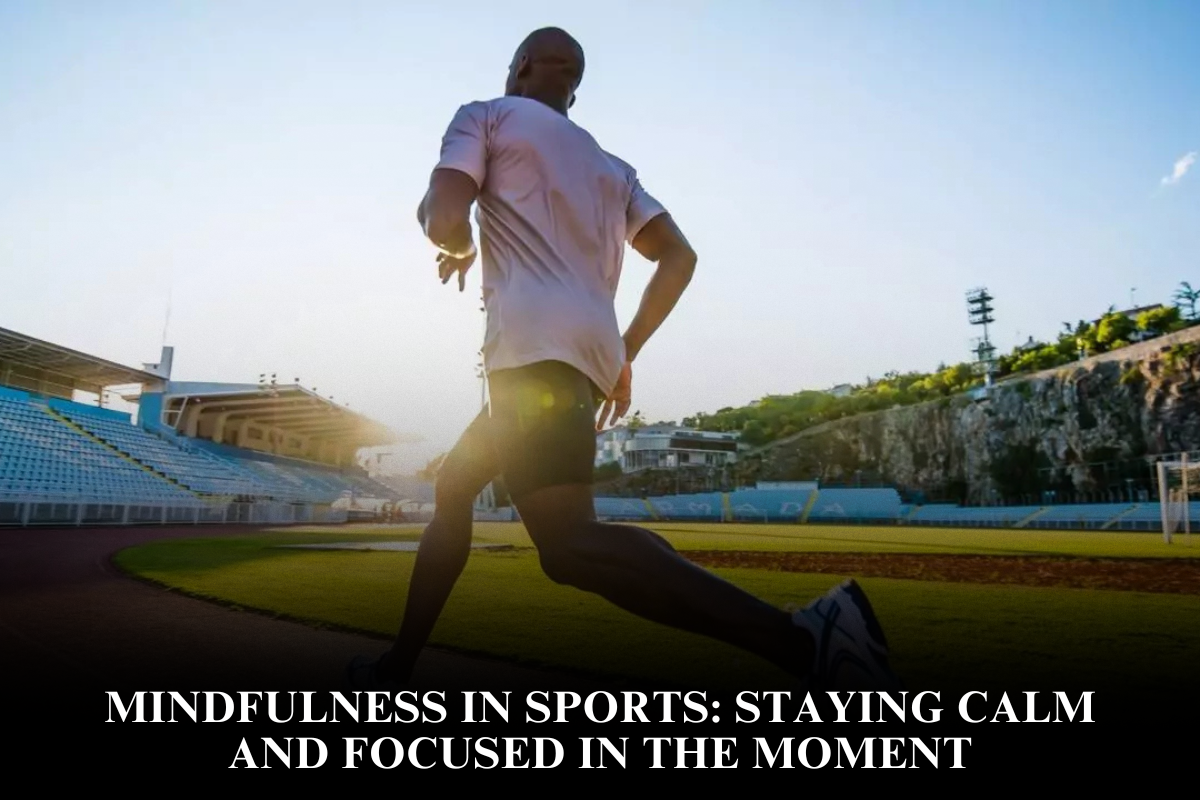
Mindfulness in sports is a growing practice that helps athletes stay calm and focused in the moment, improving performance and reducing stress. By cultivating present-moment awareness and acceptance, athletes can optimize mental clarity, emotional control, and physical readiness during training and competition.
The Role of Mindfulness in Sports Performance
Mindfulness involves observing thoughts, feelings, and bodily sensations without judgment while maintaining focused attention on the present. In sports, this mental state—referred to as “functional athletic behavior”—enables athletes to perform at their peak by concentrating fully on immediate cues such as rhythm, technique, and environment. Research shows mindfulness practice reduces performance anxiety by up to 40% and improves reaction time by 22%, contributing to better decision-making and consistency under pressure.
Key Mindfulness Techniques for Athletes
- Mindful Breathing: Deep, rhythmic breathing anchors attention and calms the nervous system. Athletes can use breath control to reset focus during breaks or high-stress moments.
- Body Scan Meditation: This involves mentally scanning the body to identify tension or discomfort, promoting relaxation and bodily awareness that improves movement efficiency.
- Mindful Visualization: Imagining successful performance scenarios with vivid detail prepares the mind and builds confidence.
- Focused Attention Drills: Concentrating on sport-specific sensations such as foot placement or paddle stroke encourages presence and precision.
- Acceptance Practices: Learning to observe discomfort or distractions without judgment helps maintain calm even amid challenges or mistakes.
Benefits Beyond the Field

Mindfulness training not only enhances athletic outcomes but also supports overall mental and physical wellbeing. It promotes resilience, better stress management, improved sleep, and injury recovery. Athletes report increased enjoyment, reduced burnout, and stronger team dynamics, making mindfulness a holistic tool in their training arsenal.
Integrating Mindfulness into Athletic Routines
Regular daily mindfulness practice, tailored to the athlete’s sport and personality, builds lasting mental skills that transfer to competition. Coaches and sports psychologists recommend mindfulness sessions during warm-ups, cool-downs, or off-field periods combined with traditional physical and technical training. Even brief 5-10 minute exercises yield benefits when practiced consistently.
FAQ
How does mindfulness improve focus during competition?
By training athletes to stay fully present on current performance cues, reducing distraction and anxiety.

Can mindfulness reduce sports-related stress?
Yes, it helps regulate the stress response, lowering physical tension and mental worry.
Are these techniques suitable for beginners?
Yes, mindfulness exercises are accessible and can be adapted for all experience levels.
How often should athletes practice mindfulness?
Daily practice, even short sessions, is recommended to develop strong mental habits.

Does mindfulness only benefit professional athletes?
No, athletes at all levels, including youth and amateurs, gain improved performance and wellbeing.