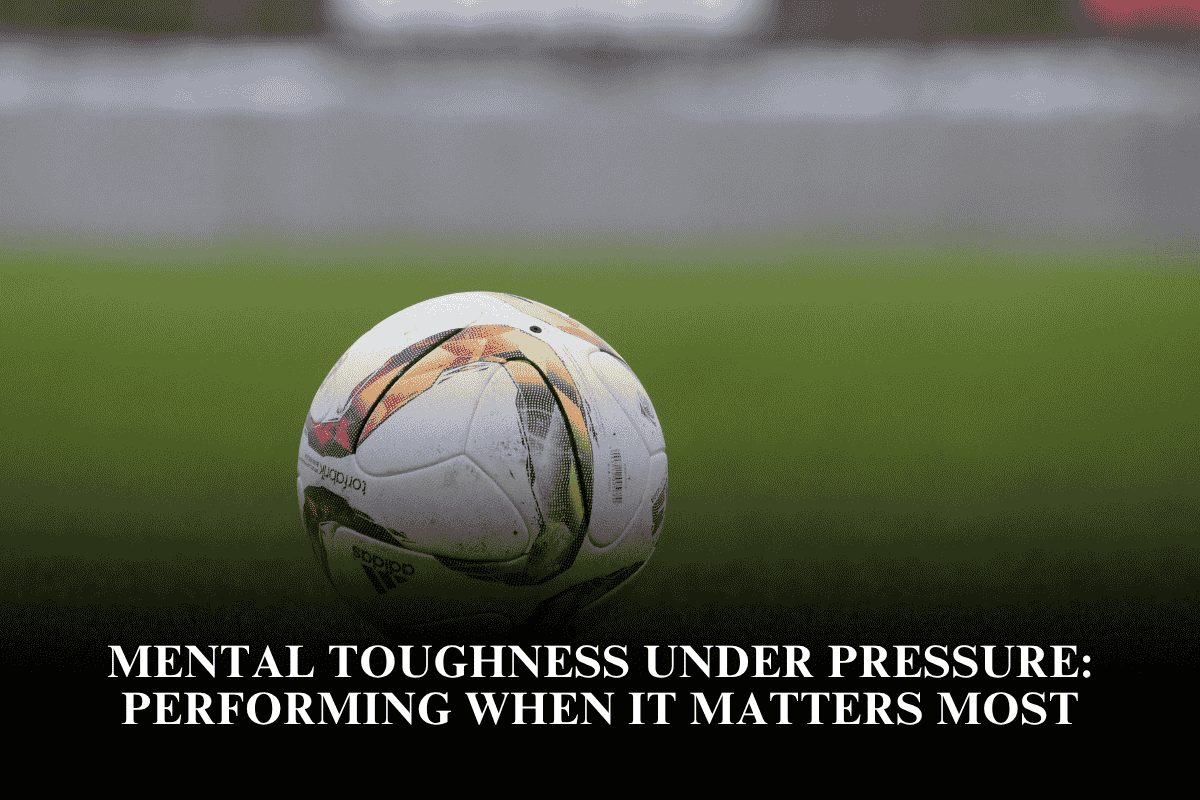
Mental toughness under pressure is the ability to stay composed, confident, and focused when it matters most, enabling you to perform at your best despite stress, distractions, or adversity.
It involves not just pushing through discomfort but cultivating mental flexibility to adapt to unexpected challenges and maintain performance in critical moments.
Key Concepts in Mental Toughness Under Pressure
- Mental flexibility allows you to handle surprises or obstacles without losing composure or effectiveness, compared to rigid toughness which might crack under unexpected disruptions.
- Mental toughness comprises self-awareness, resilience, confidence, and focus, all of which can be developed and strengthened with consistent practice.
- Top performers train their mental strength to keep focus even when nervous or doubting themselves, recognizing those feelings but not allowing them to control their actions.
- Visualization, affirmations, and routines to refocus quickly during pressure are valuable tools to build and sustain mental toughness.
- Successful mental toughness involves aligning actions with deeper values and mission, which clarifies why the pressure matters and motivates perseverance.
Practical Techniques for Performing Under Pressure
- Define your mission and values clearly to stay motivated and aligned in stressful moments.
- Practice recognizing negative or distracting thoughts and detach from them instead of reacting emotionally.
- Use refocusing routines such as deep breathing, positive visualization, and affirmations.
- Build resilience with routines to bounce back quickly from setbacks or mistakes.
- Maintain an external, narrow focus on key tasks or cues (e.g., a target in sports) to quiet distracting thoughts and improve concentration.
- Train daily with mental exercises to enhance your capacity to stay composed when stakes are high.
Why It Matters

Mental toughness is a decisive edge in competitive sports, business, creative arts, or any high-stakes environment. Athletes like Novak Djokovic exemplify how mental training enables sustained peak performance in grueling, pressure-filled contests by maintaining mental and emotional strength as well as physical fitness.
This mental preparation transforms nervousness and doubt from performance barriers into manageable sensations that don’t undermine confidence or focus.
Developing mental toughness under pressure is an achievable skill requiring deliberate practice, self-reflection, and strategies to stay flexible and focused amid challenge.
FAQs

Q1: What is mental toughness and why is it important when performing under pressure?
A1: Mental toughness is the ability to stay composed, confident, and focused during high-stress or challenging situations. It enables consistent high performance when stakes are high, by managing emotions, distractions, and pressure effectively.
Q2: How does mental flexibility differ from mental toughness?
A2: Mental flexibility is the capacity to adapt to unexpected challenges without losing effectiveness, while mental toughness emphasizes perseverance. Together, they help performers navigate pressure with resilience and adaptability, avoiding rigid responses that can cause failure.
Q3: What practical techniques improve mental toughness for high-pressure situations?
A3: Key techniques include defining personal mission and values, practicing self-awareness to detach from negative thoughts, using refocusing routines (deep breathing, visualization, affirmations), maintaining focus on key tasks, and building resilience through mental exercises.
Q4: Can mental toughness be developed or is it innate?
A4: Mental toughness is a learned skill and can be enhanced through consistent practice and mental training. Athletes and performers train daily to improve resilience, confidence, and focus under pressure.
Q5: How do top performers stay focused when nervous or doubting themselves?
A5: They acknowledge nervousness but do not let it control their actions. They rely on training, routines, and mental techniques to maintain focus on the present task and their performance goals.