In football, excellent balance and coordination are fundamental to optimizing performance, improving control, and reducing injury risk. These skills enable players to move efficiently, maintain stability under pressure, and execute precise movements during gameplay. Developing balance and coordination not only benefits footwork but also enhances overall agility and body control.
Understanding Balance and Coordination
Balance refers to the ability to maintain control of body position, whether static (standing still) or dynamic (moving). Coordination is the capacity to execute smooth, controlled movements by integrating different body parts effectively. Both static and dynamic balance are crucial in football, where players frequently make quick cuts, directional changes, and high-speed sprints.
Key Training Techniques for Balance and Coordination
Stability and Core Strength Exercises

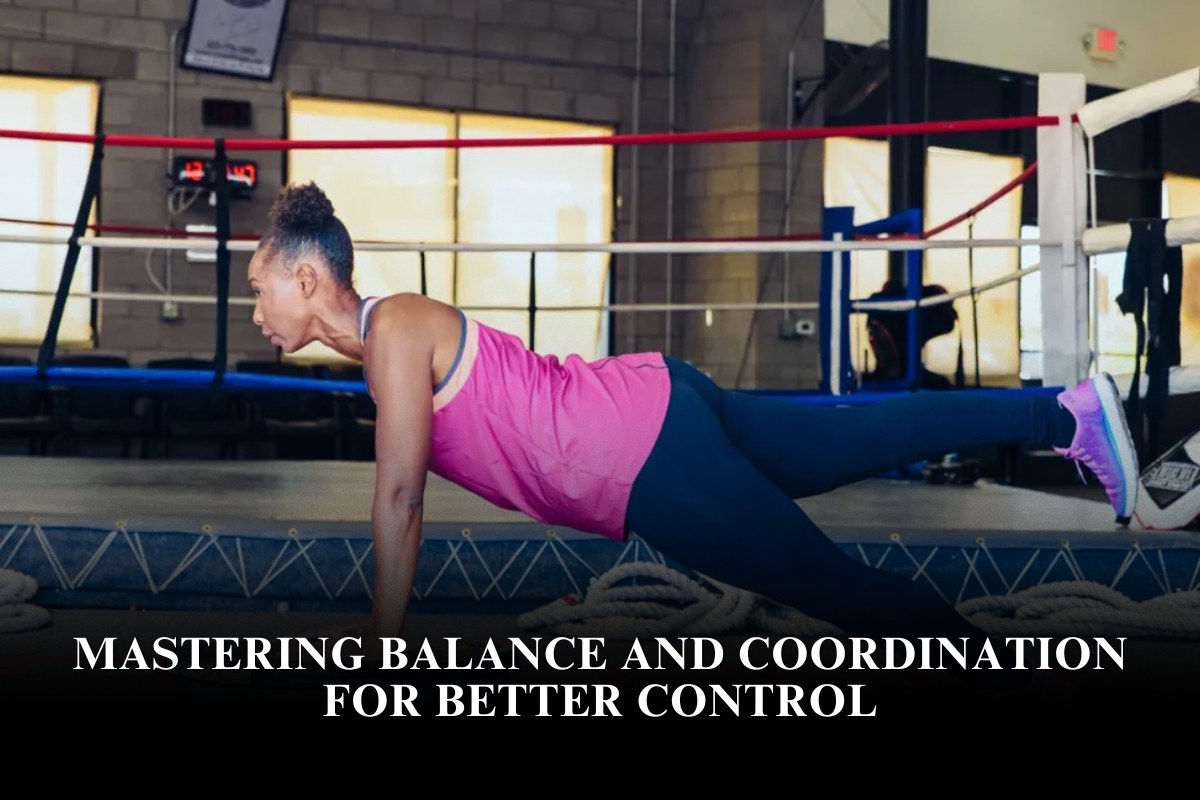
Core muscles stabilize the body, allowing better control and balance. Exercises like planks, Russian twists, and single-leg deadlifts focus on enhancing core strength, which supports dynamic balance during movement.
Balance Drills Using Unstable Surfaces
Training on unstable surfaces such as Bosu balls, balance boards, or stability balls challenges proprioception (body awareness) and improves reflexive balance response. For example, catching or passing drills performed while standing on a Bosu ball simulate game conditions requiring balance under pressure.
Ladder and Cone Drills
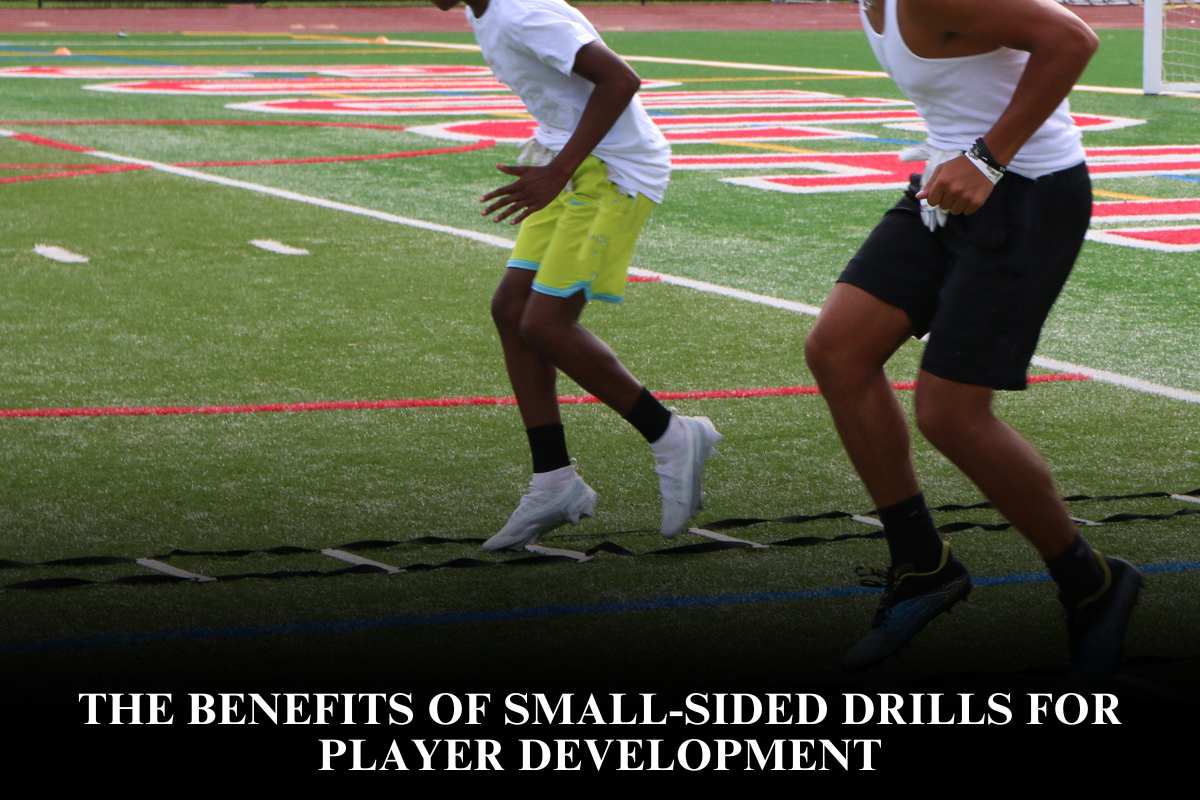
Agility ladders and cone drills improve foot speed, coordination, and body control. Drills like lateral shuffles, crossover steps, and change-of-direction sprints develop neuromuscular coordination essential for rapid and controlled movements.
Reactive Balance Training

Partner mirror drills, where one player follows another’s movements, and reactive stability ball drills involve responding to unpredictable stimuli while maintaining balance. These exercises enhance the ability to react quickly while remaining stable.
Benefits of Improved Balance and Coordination
- Enhanced Control: Players can maintain better footing, reducing slips and falls.
- Injury Prevention: Improved joint stability and proprioception minimize the risk of sprains and strains.
- Improved Agility: Efficient movement patterns help players change direction swiftly without losing balance.
- Better Performance: Greater control over body movements translates to precision in dribbling, passing, and shooting.
FAQ: Balance and Coordination Training for Football
Q: How often should I train balance and coordination?
A: Aim for 2-3 sessions per week integrated into your overall training routine for consistent improvement.
Q: Can balance training help prevent injuries?
A: Yes, enhanced proprioception and joint control significantly reduce injury risks, especially in lower limbs.

Q: What types of equipment aid balance training?
A: Bosu balls, balance boards, agility ladders, and cones are popular tools to challenge stability and coordination.
Q: Should balance and coordination drills be done before or after practice?
A: These drills are often best performed as part of a warm-up to activate muscles and neural pathways, or incorporated into skill sessions.
Q: Is core strength important for balance?
A: Absolutely. A strong core stabilizes the body and supports balance during complex movements.