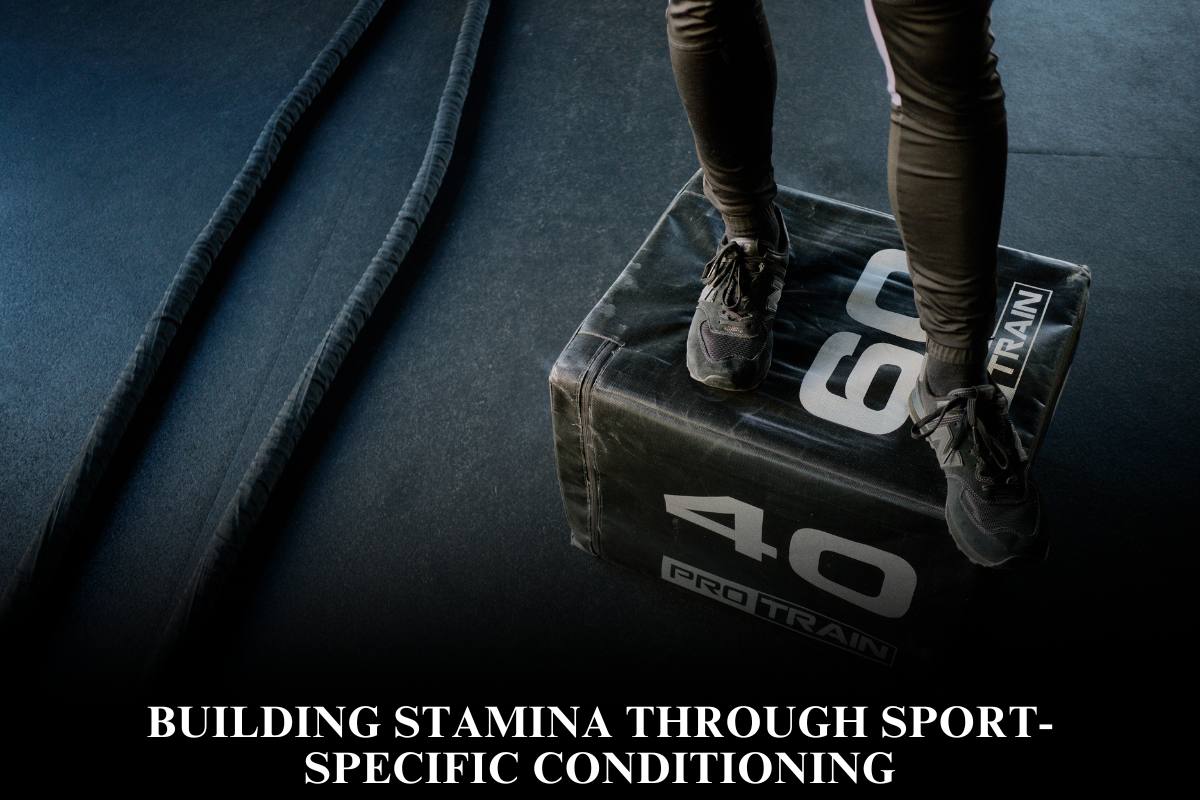
Improving vertical jump is a major goal for American basketball, volleyball, and football athletes who rely on explosive power to out-jump opponents and finish plays above the rim or net. In the United States, evidence-based programs emphasize a mix of strength training, plyometrics, and technique work to safely add inches to an athlete’s vertical.
Why Vertical Jump Matters
- Vertical jump strongly reflects lower-body power, which transfers to sprinting, cutting, and rebounding in American sports.
- College and pro scouts in the USA routinely use vertical jump tests (countermovement and standing reach) at combines to evaluate explosiveness.
Key Training Principles
- Combine strength and plyometric training: Research shows that pairing weight training (squats, deadlifts, lunges) with plyometrics produces the largest gains in vertical jump height.
- Train explosiveness, not endurance: Sets are kept short (3–6 reps) at high intensity with full recovery so athletes can jump maximally each rep.
- Prioritize safety: U.S. organizations like the NSCA advise proper landing mechanics, progressive intensity, and 2–3 days between hard plyometric sessions, especially for youth and high school athletes.
Foundational Strength Exercises
Building a strong base lets American athletes convert force into vertical height more efficiently. Strength sessions are typically done 2–3 times per week in school, club, or private facilities across the USA.
- Back or front squats: Heavy squats (about 5–10 reps per set) target quads, glutes, and hips, which are primary jump movers.
- Romanian deadlifts: Strengthen hamstrings and posterior chain to support hip drive and protect knees.
- Lunges and step-ups: Single-leg strength helps correct imbalances and improves stability for jumping off one or two legs.
- Core work (planks, anti-rotation drills): A strong core improves force transfer from legs to upper body during takeoff.
Specialized Plyometric and Jump Drills

Plyometrics train the stretch–shortening cycle so muscles can produce more force in less time, which is crucial for vertical leap. Meta-analyses show that well-designed plyo programs can increase vertical jump by 4–30% or more in healthy athletes.
- Box jumps: Jump onto a box with soft, controlled landings to develop explosive leg drive and landing control.
- Depth jumps: Step off a low box, land, and immediately jump up to a target to train reactive strength and fast stretch–shortening action.
- Broad jumps and bounds: Horizontal and multi-jump drills improve hip extension power and overall leg elasticity.
- Single-leg hops: Build unilateral power, balance, and joint control, important for sports like basketball and football in the USA.
Technique, Recovery, and U.S. Practice Guidelines
Good jump technique and smart scheduling help athletes in the United States gain vertical without overuse injuries. Coaches often integrate vertical jump work into wider strength and conditioning programs that follow U.S. high school and collegiate standards.
- Technique cues:
- Weekly structure (common U.S. approach):
- Monitoring progress:
Frequently Asked Questions
1. How long does it take to see vertical jump improvement?
Most American athletes following a structured strength-plus-plyometric program see measurable gains in 6–8 weeks, with some studies reporting improvements after as little as 6 weeks of focused plyo training. Consistency and progressive overload are critical for sustained results over a season.

2. How many days per week should I train to jump higher?
In the USA, many high school and college programs schedule 2–3 strength sessions and 2 plyometric sessions weekly, often combined within the same workout. Athletes are encouraged to avoid maximal jump training on back-to-back days to reduce overuse injury risk.
3. Is plyometric training safe for youth athletes in the United States?
Current evidence and NSCA guidance indicate that supervised, age-appropriate plyometric training is safe and beneficial for youth, improving bone density, coordination, and injury resistance. The key is starting with low-intensity drills (skips, low hops) and progressing gradually under qualified coaching.
4. Do I need special equipment to increase my vertical?
Many U.S. athletes improve vertical jump using only bodyweight, boxes, and basic weights such as barbells or dumbbells. Advanced tools like resistance platforms or jump mats are helpful but not required for meaningful gains.

5. Can I improve vertical jump during my competitive season?
American teams often reduce total plyometric volume in-season but maintain 1–2 short explosive sessions per week to preserve jump performance. Loads are adjusted around games to avoid fatigue, focusing on quality reps and monitoring soreness or joint pain.