Top-end speed, or maximum velocity, represents the fastest sustainable sprint pace athletes can achieve after full acceleration, typically over 30-60 meters. Elite sprinters prioritize it through high-intensity, technique-focused training with full recovery to optimize stride length, frequency, and ground force application. Brazilian Olympic coaches rank maximum speed sprinting as the top method, used by 84% for direct performance gains.
Key Sprint Training Methods
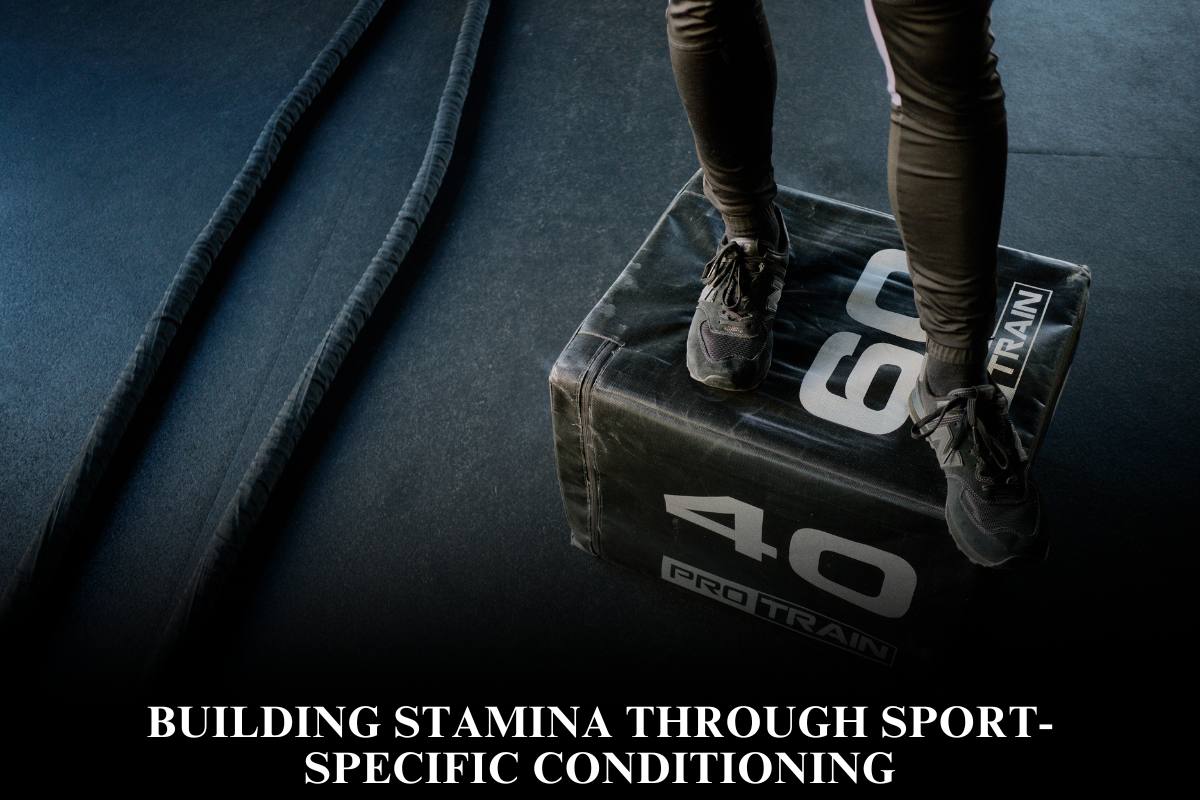
Maximum velocity sprints form the core, involving 40-60 meter runs with the final 10-30 meters timed at peak effort, followed by 6-8 minutes recovery to maintain quality. Plyometrics like box jumps, depth jumps, and broad jumps build reactive strength, enhancing elastic energy return and reducing ground contact time. Resisted sprints with light sleds (5-10% bodyweight) over 20-30 meters target power without altering mechanics, while overspeed methods like downhill running expose athletes to faster-than-normal velocities.

Strength exercises complement sprint work: Nordic hamstring curls strengthen eccentric loading, staggered-stance lunges improve unilateral drive, and weighted planks enhance posture for upright sprint form. Form drills such as A-skips, double A replacements, and the “U” drill refine frontside mechanics, arm swing, and rhythm before full sprints. Periodize training with high-intensity days (2-3 max efforts), recovery sessions, and progressive overload to avoid fatigue.
Sample Weekly Integration
Incorporate 2-3 speed sessions weekly:
- Max Velocity Day: 4-6 x 40m sprints (accelerate 30m, fly 10m), full recovery.
- Plyo/Drill Day: 3 sets of box jumps (6 reps), A-skips (20m), Nordic curls (4x).
- Strength Day: Squats, deadlifts, single-leg RDLs at 80-90% max, 3-5 sets.
Track progress via flying 20-30m splits; aim for 95-100% personal best velocities. Combine with sport-specific loading for transfer to competition.
FAQ

What distinguishes top-end speed from acceleration?
Top-end speed occurs post-acceleration (after 20-40m), emphasizing upright posture, high stride frequency, and minimal ground contact, unlike the forward lean of initial bursts.
How often should athletes train maximum velocity sprints?
Twice weekly with 4-8 reps per session, prioritizing quality over volume; full recovery (6-8 minutes) prevents velocity drop-off.
What are common mistakes in top-speed training?
Insufficient rest turns sessions into conditioning, poor technique from fatigue, neglecting strength base, or over-relying on overspeed without max sprints.
Does strength training directly boost sprint speed?
Yes, explosive lifts and plyos improve force application by 8-15%, bridging gym work to track via Nordic curls and squats.
How long until top-end speed improvements show?
Noticeable gains in 4-8 weeks with consistent periodization; elite athletes see 2-5% velocity increases yearly.
Can team sport athletes prioritize top speed?
Absolutely; even short-burst sports benefit from max velocity work to elevate overall pace, using sub-max reps if fatigue risks exist.