Defensive gap control forms the cornerstone of stopping the run in American football, assigning defenders specific gaps between offensive linemen to prevent rushers from exploiting seams. Employed across NFL, college, and high school levels, this technique—rooted in one-gapping or two-gapping schemes—ensures disciplined fits that force plays into crowded areas, limiting yards after contact.
Understanding Gap Assignments
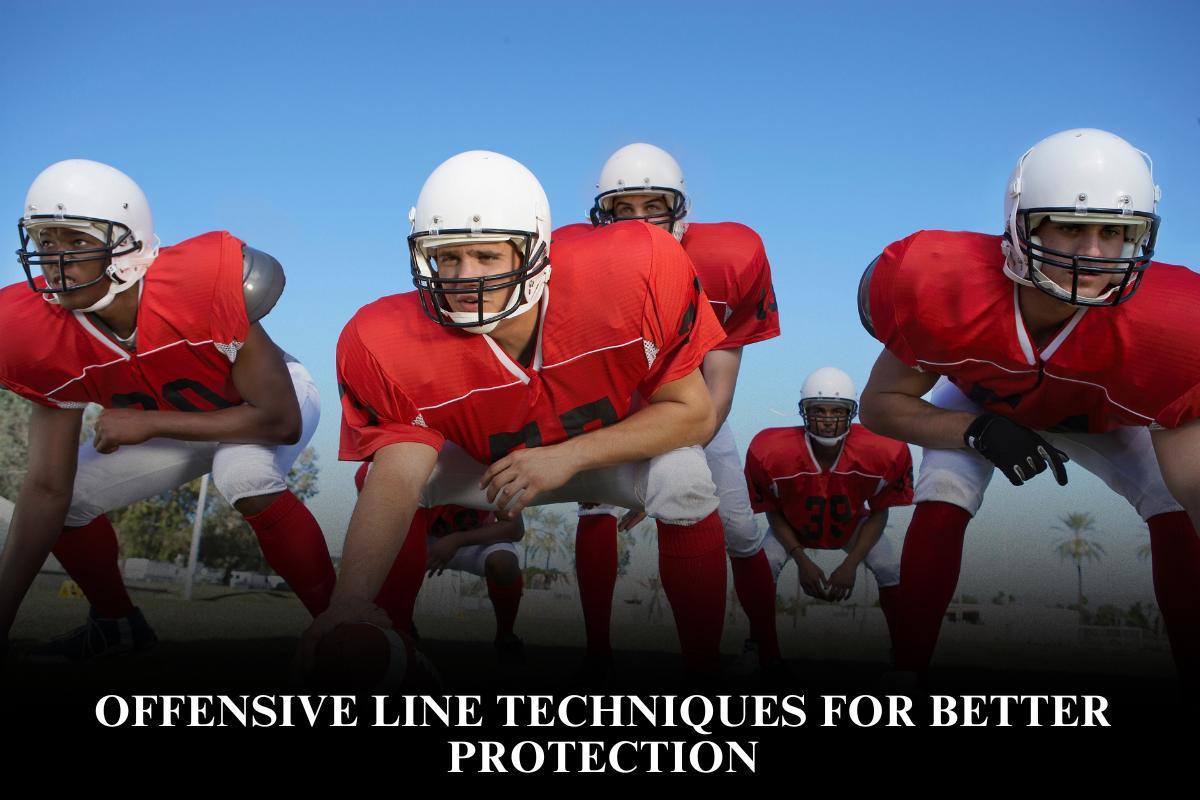
Gaps run A (center shoulders) to D/E (outside tight end/edge), with eight total in standard 11-man sets. One-gapping attacks single gaps aggressively for penetration; two-gapping controls two via stance and hands, suiting bigger linemen in 3-4 fronts like the Steelers’ classic scheme.

NFL defenses match fronts to personnel: 4-3 one-gaps for speed; 3-4 two-gaps leverage size. College programs like Georgia teach hybrid techniques, reading blocks to spill or pursue.
Techniques for Front Seven Control
Defensive linemen use techniques (0-9) dictating alignment: 7-tech DE shades tight end’s inside shoulder for C-gap responsibility, squeezing to spill runs outside. Nose tackles in G-fronts steal A’s by anchoring doubles, exchanging with LBs.
Linebackers fit behind DL: Mike fills B/C, Will crashes edges. Safeties support lightly in 7-man boxes, rotating post-snap for run support in quarters coverage.
Countering Gap vs. Zone Schemes

Gap schemes (power/counter) use down blocks/pullers; defenses two-gap or slant to disrupt angles. Zone requires read-attack: DL penetrates while LBs flow to bubbles, spilling cutbacks.
Against RPOs, edges squeeze C-gaps, forcing QB keeps into traffic. Seven-man spacing steals gaps via rotations, countering numbers advantages.
Drills and Coaching for Mastery
USA Football emphasizes daily gap exchanges: DL/LB two-on-twos simulate doubles. Film study IDs tendencies—e.g., guard pulls signal counter—while walkthroughs ingrain fits.

High school/NFL progressions: bag drills for hand placement, live one-on-ones, then team periods. Metrics track stuffed runs (under 2 yards).
NFL and College Success Stories
Bill Belichick’s Pats mastered C-gap cancellation, limiting YPC to 3.8. Kirby Smart’s Dawgs use G-technique noses to dominate SEC lines. Analytics show gap-sound defenses rank top-10 vs. rush.
Purpose-driven fits build trust: players know “my gap” enables pursuit freedom.
Gap control turns porous fronts into run-stopping walls, key to defensive identity.
Frequently Asked Questions (FAQs)
Q. What are gaps in football defenses?
A (center shoulders) to D/E (edge), totaling eight; control prevents rushing lanes.
Q. One-gapping vs. two-gapping?
One attacks single gaps for penetration; two controls both sides via stance.
Q. How does 7-tech DE defend C-gap?
Shades tight end inside, squeezes to spill outside runs or pursue cutbacks.
Q. Key drills for gap mastery?
Two-on-twos, bag work, film study for angles and fits.
Q. Why vital vs. zone schemes?
DL penetrates, LBs flow to bubbles, spilling backs into traffic.