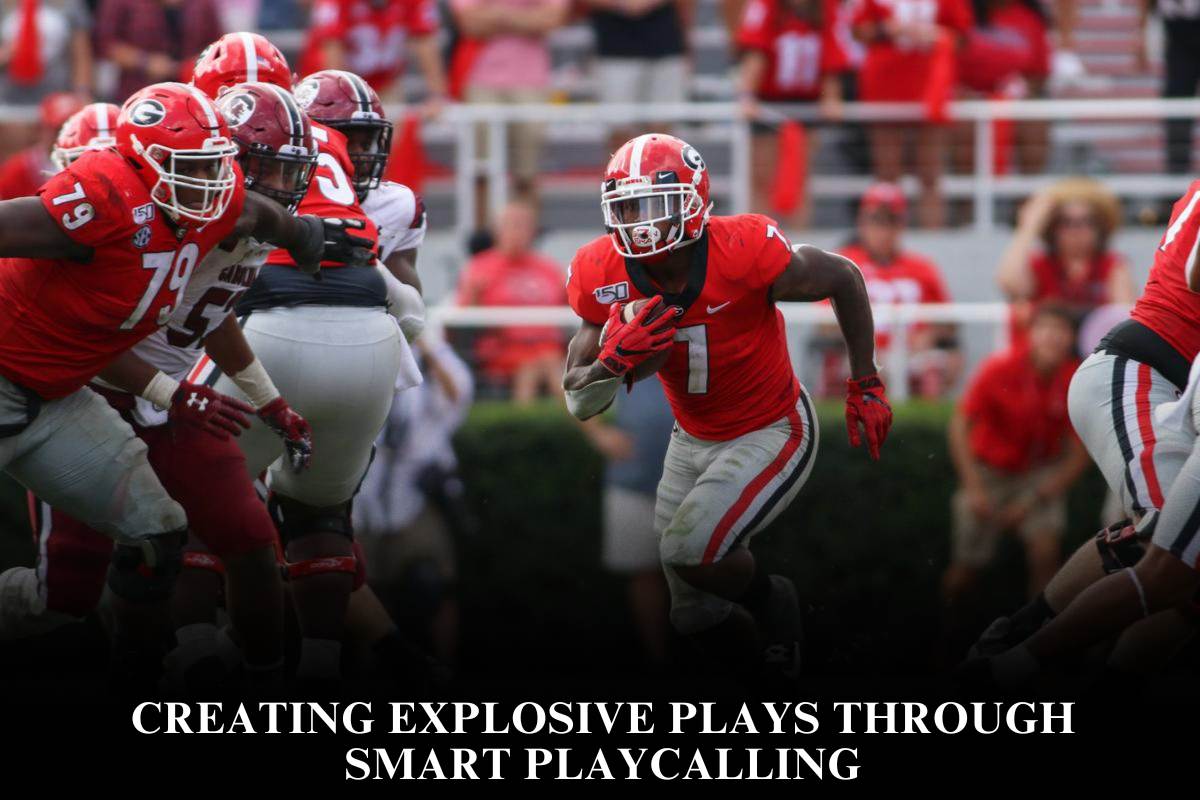
Smart playcalling in USA football, especially NFL and college levels, turns ordinary drives into game-changers by exploiting defensive weaknesses. Coordinators like Sean McVay and Andy Reid script opening plays and adjust tempo to create mismatches for 20+ yard gains. Analytics-driven decisions boost explosive play rates by 25-30% in high-stakes games.
Core Principles of Explosive Playcalling
Explosive plays—gains of 15+ yards—stem from balance, attacking all field levels with run-pass ratios near 50/50 to keep defenses guessing. Leverage numbers advantages by running where blockers outmatch defenders, using formations and motions to shift alignments pre-snap. Play-action passes excel, conflicting assignments and opening voids between zones for big gains.

Tempo variation disrupts rhythm: up-tempo tires defenses, while huddle snaps hide personnel for surprise RPOs or screens. NFL data shows play-action yields 1.5 yards more per attempt, ideal for chunk plays.
Pre-Game Preparation and Scripting
Top USA coordinators script 15-20 opening plays to probe tendencies, easing QBs into rhythm while testing coverages. Game plans prioritize players first—align stars in favorable matchups—then formations, finally plays. Film study identifies exploitable gaps, like overloading weak sides or using jet motion for edges.
Analytics tools track success rates by down-distance; on 2nd & long, quick-game sticks beat blitzes without risking interceptions. Head coaches like Dan Campbell integrate this for convicted calls in playoffs.
Situational Mastery for Big Plays

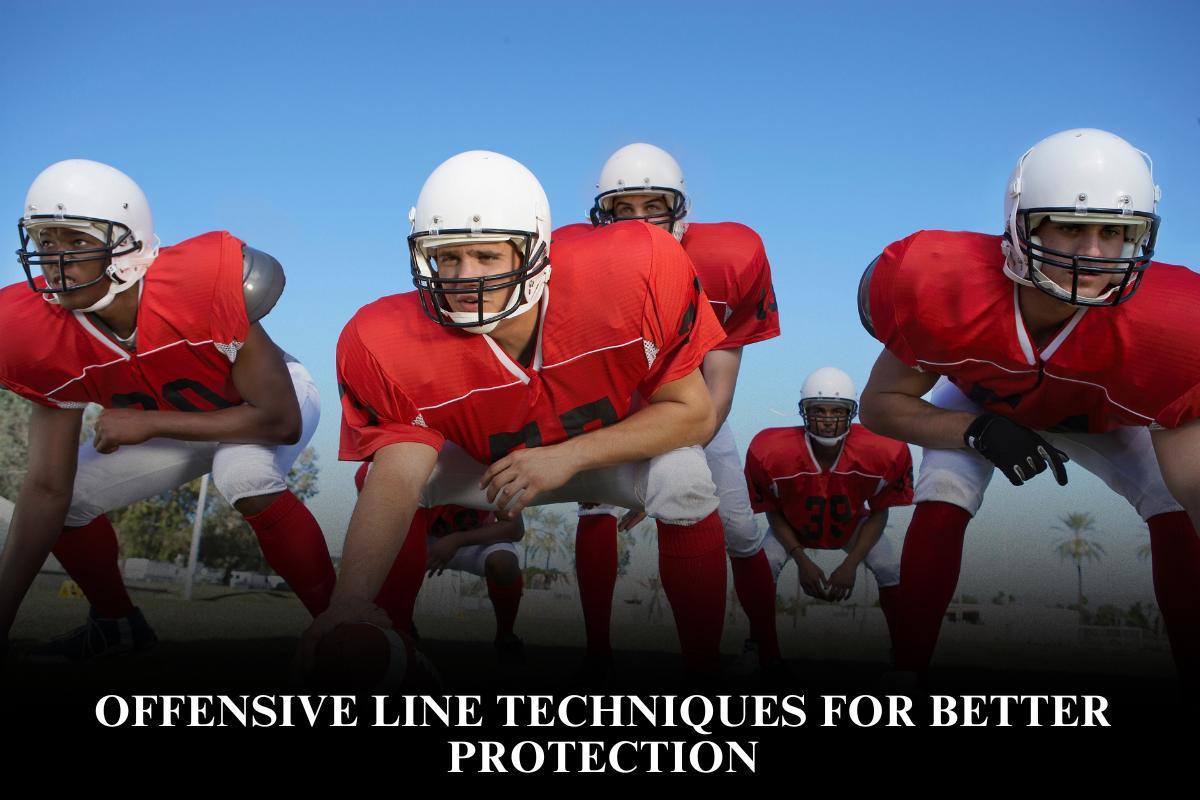
On early downs, establish run leverage—power to guard-tackle gaps or dives for short yardage—setting up play-action bombs. Third downs demand high-percentage shots: scissors concepts pair post-corner routes, picking man coverage for 20+ yards. Red zone flips scripts with quick hitters, preserving explosiveness inside 20.
Against blitz-heavy defenses (38% NFL rate), packaged plays like stick-draw react post-snap, turning pressure into counters. Mismatches via motions confirm coverage before attacking seams.
Formation and Motion Tactics
Spread defenses wide with 11 personnel (1 RB, 1 TE), forcing nickel looks vulnerable to runs. Shifts/trades gain leverage—down blocks kick out defenders—while jet motion freezes edges for sweeps or passes. One-word calls signal personnel, formation, motion, and play for no-huddle speed.

NFL elites like McVay divide planning: pass/run specialists build layered deceptions, confirming tendencies before exploiting.
Executing in Live Games
Read post-snap: if linebackers crash run, hit crossers; vs. soft zones, flood deep. Campbell’s Lions ignited 44 points by adapting mid-game, ripping calls on 4th & short. Pace stats guide—slow vs. aggressive foes, tempo vs. substitutes.
Chain concepts: base run confirms slant, then counter or screen rips backside for TDs.
Coaching and Player Synergy
Clear roles reduce hesitation; QBs audible to protections, exploiting advantages. Practice reps under fatigue simulate chaos, building conviction. Head coaches calling plays, like Reid or McVay, juggle duties for real-time tweaks.
Youth USA levels adapt: focus leverage over complexity for fundamentals.
Measuring Success and Adjustments
Track explosive rate (top-10 NFL units average 18%), air yards, and success by script. Debriefs turn failures into setups, like Findlay’s 4th-down conviction after base probes. Analytics revolution favors efficiency over gimmicks.
FAQs
1. How do NFL coordinators script for explosives?
They plan 15 opening plays to test defenses, prioritizing mismatches and balance for early chunk gains.
2. Why is play-action key for big plays?
It conflicts defender assignments, creating voids for 20+ yard passes at 1.5 extra yards per attempt.
3. What’s the role of tempo in playcalling?
Up-tempo fatigues subs, no-huddle hides shifts; mix for unpredictability vs. aggressive fronts.
4. How do motions create leverage advantages?
They reveal coverage, shift alignments for down blocks, and freeze edges for runs or RPOs.
5. Can youth teams use pro-level calling?
Yes, simplify to leverage/numbers focus—use formations and basic packages for safe explosiveness.