In highly competitive sports environments, adaptability often separates good teams from great ones. Success is no longer determined by fixed strategies but by an athlete’s or team’s ability to adjust on the fly.
Whether it’s a sudden weather change, a surprise tactic from opponents, or an unexpected injury, American athletes are learning that flexibility drives consistent performance.

Across the United States, from high school programs to professional leagues, coaches emphasize mental agility and in-game awareness as essential tools for thriving under pressure.
Mental Agility: The Core of Quick Adjustments
Adaptability starts in the mind. Athletes who can process information quickly and make split-second decisions gain an immediate edge. This mental sharpness comes from preparation, mindfulness training, and scenario-based practice.
When players train for unpredictable situations, they learn to stay calm amid chaos. Many U.S. sports programs now include cognitive drills and visualization exercises, helping players strengthen response timing and emotional control. It’s about staying focused when plays break down and finding new paths to success.
Tactical Shifts and Team Communication

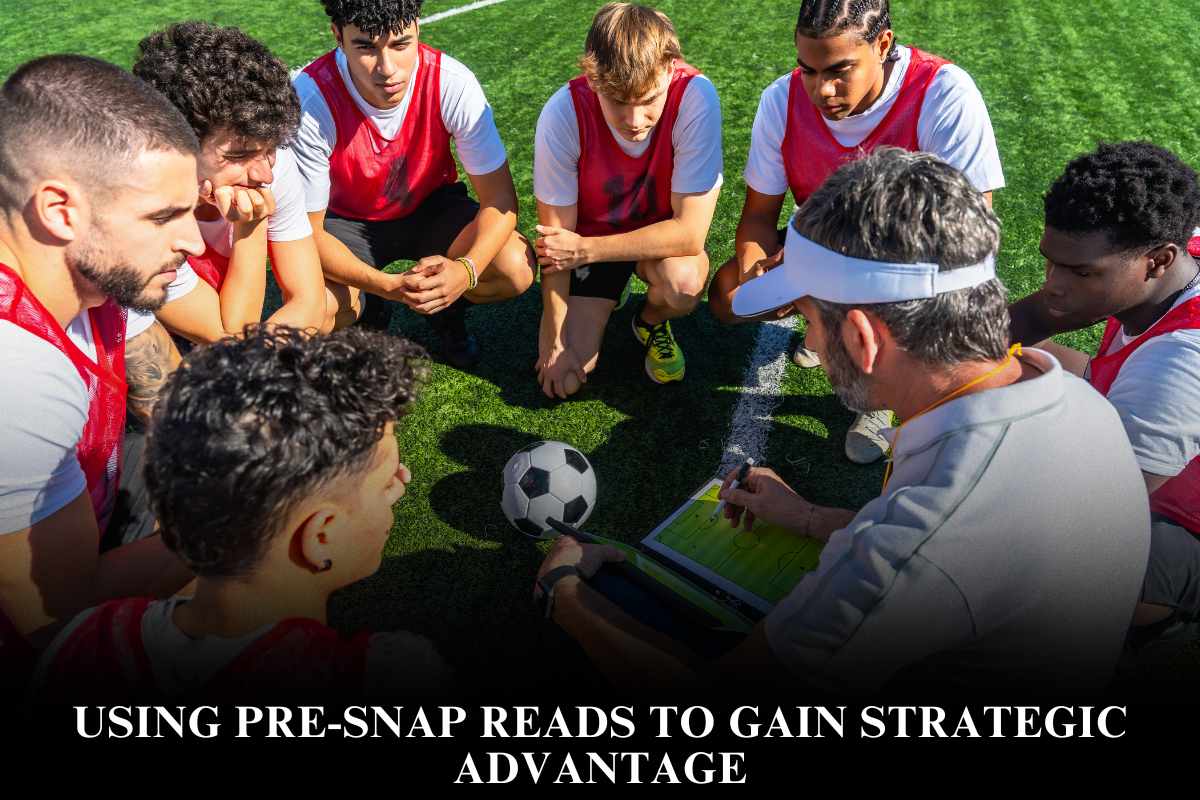
Adaptable teams rely on communication as their foundation. Effective communication allows teams to pivot strategies during gameplay without losing cohesion. In American football, for instance, quarterbacks constantly read defenses and call audibles, requiring teammates to respond instantly.
In basketball, cohesive communication enables seamless transitions from offense to defense. This teamwork reflects not only skill but shared understanding and trust.
Teams that practice this adaptability consistently convert challenges into opportunities for dynamic plays and strong finishes.
Resilience: Finishing Strong Under Pressure

Adaptability doesn’t end with reaction—it extends into resilience. When athletes adapt to adversity, they build endurance for high-stress moments. A basketball team trailing by double digits or a baseball player facing a slump must rely on adaptability to stay engaged and push through.
Coaches across the United States emphasize this mindset of continuous recalibration. They teach players to view setbacks as temporary and focus on finishing strong, no matter how the game began. Performance psychology plays a vital role here, fostering confidence and perseverance.
Looking Ahead: Building Future-Ready Athletes
As technology and data analytics revolutionize sports, adaptability will take on an even more strategic dimension. Wearable sensors, AI-driven performance tracking, and real-time analytics help athletes refine decisions with precision.
The next generation of American athletes will need to balance instinct and data interpretation—adapting to insights as fluidly as to opponents. The most adaptable will be those who blend innovation with intuition, finishing each game with both intelligence and intensity.
FAQs
Why is adaptability so important for athletes?
It allows players to adjust to changing conditions, opponent strategies, and game momentum without losing focus or confidence.
How do athletes improve their adaptability?
Through scenario-based training, mental exercises, and team communication drills that simulate unpredictable situations.
What role does technology play in adaptability?
Modern tools like performance analytics and machine learning help identify patterns, enabling faster adjustments and smarter plays.
How does mental resilience support adaptability?
Resilience helps athletes maintain composure under pressure, making it easier to adapt to new challenges and recover from mistakes.
Can adaptability be taught or is it natural?
While some athletes naturally adapt well, it can absolutely be developed through consistent practice, feedback, and mental conditioning.