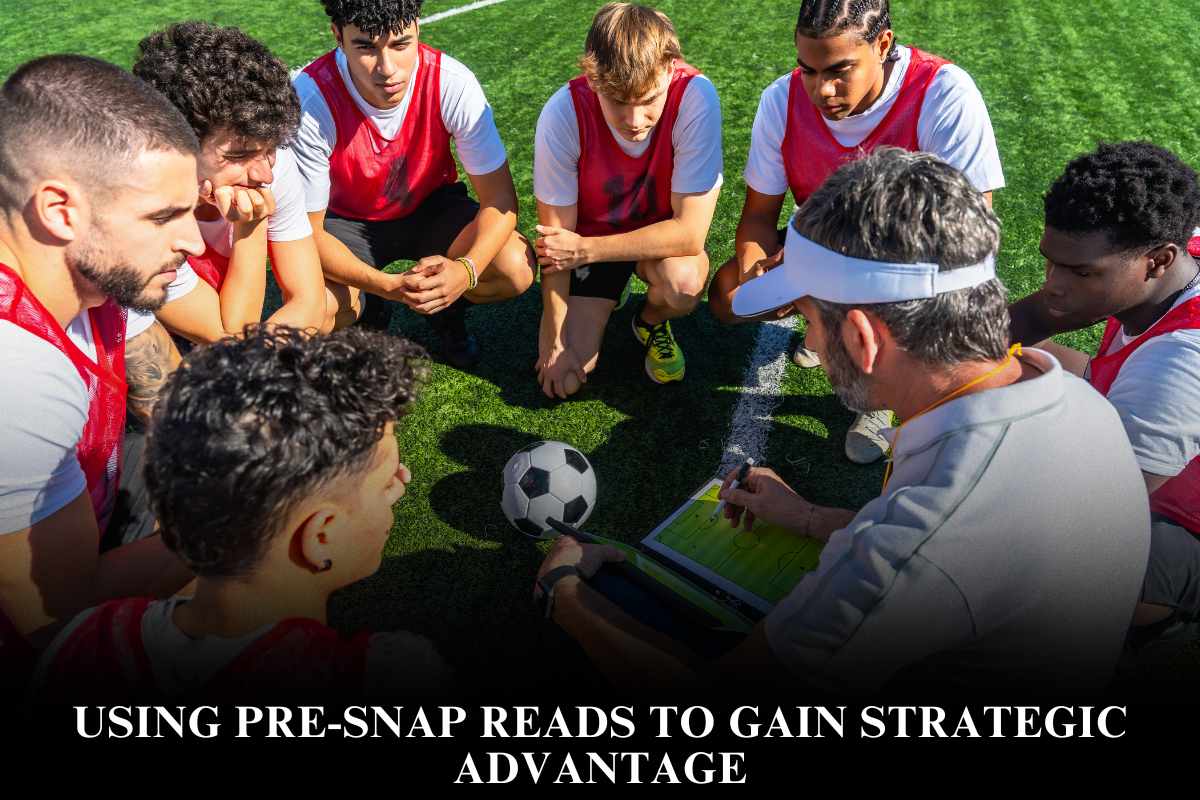
In American football, the synergy between coaches and players is paramount to achieving success on the field. Collaboration fosters unity, enhances communication, and drives performance, creating a team culture where everyone works toward shared goals.
Building a Collaborative Coaching Culture
A collaborative coaching culture thrives on open dialogue, mutual respect, and trust. Unlike traditional top-down coaching, this approach invites players to contribute ideas, reflect on their performances, and engage with coaches as partners.

Video analysis tools have become pivotal, providing clear feedback and a shared platform for strategy discussions. This method cultivates accountability and team cohesion, transforming the dynamic from “coach and players” to “one team.”
Coaches and players communicate candidly, fostering deeper understanding and commitment to team objectives.
Effective Communication on the Field
Clear and concise communication during games is critical. Coaches use structured play-calling systems to transmit strategies quickly and unambiguously. Players are trained to recognize these signals instantly, allowing for adaptive gameplay even as defenses shift.

This real-time collaboration requires trust and deep knowledge of each other’s roles, ensuring swift execution and the ability to improvise when necessary, such as a quarterback adjusting a play based on defensive coverage.
Trust and Mutual Respect
For collaboration to thrive, trust must be established between coaches and players. This is built through honest communication, positive reinforcement, and personal engagement.
Coaches who connect with players beyond the field, who understand their challenges and recognize their efforts, inspire loyalty and motivation. Players feel valued and more willing to invest fully in their roles knowing that their voices are heard and respected.
Shared Accountability and Continuous Improvement

Collaboration extends beyond game day. Coaches and players engage in post-game reviews and training sessions using video analysis to identify strengths and areas for improvement.
Empowering players to lead discussions and contribute to tactical adjustments not only sharpens skills but solidifies a collective commitment to growth. Regular collaborative routines ensure that teamwork is habitual and resilient under pressure.
FAQs
Why is collaboration important in football coaching?
Collaboration fosters a unified team environment, encouraging open communication, accountability, and shared responsibility, which leads to better performance and cohesive gameplay.
How do coaches and players communicate effectively during games?
Coaches use clear, structured play-calling systems such as word associations or short codes, enabling players to recognize and execute plays quickly, adapting on the fly as needed.
What role does trust play in the coach-player relationship?
Trust built through honesty, positive feedback, and personal engagement motivates players, making them more receptive to coaching and committed to the team’s success.
How does video analysis enhance collaboration?
Video analysis provides a visual feedback tool that helps players and coaches review performances together, facilitating shared understanding and strategic discussions.
How can players contribute to a collaborative coaching culture?
Players are encouraged to voice their perspectives, engage in tactical discussions, and take leadership roles, strengthening team cohesion and accountability.