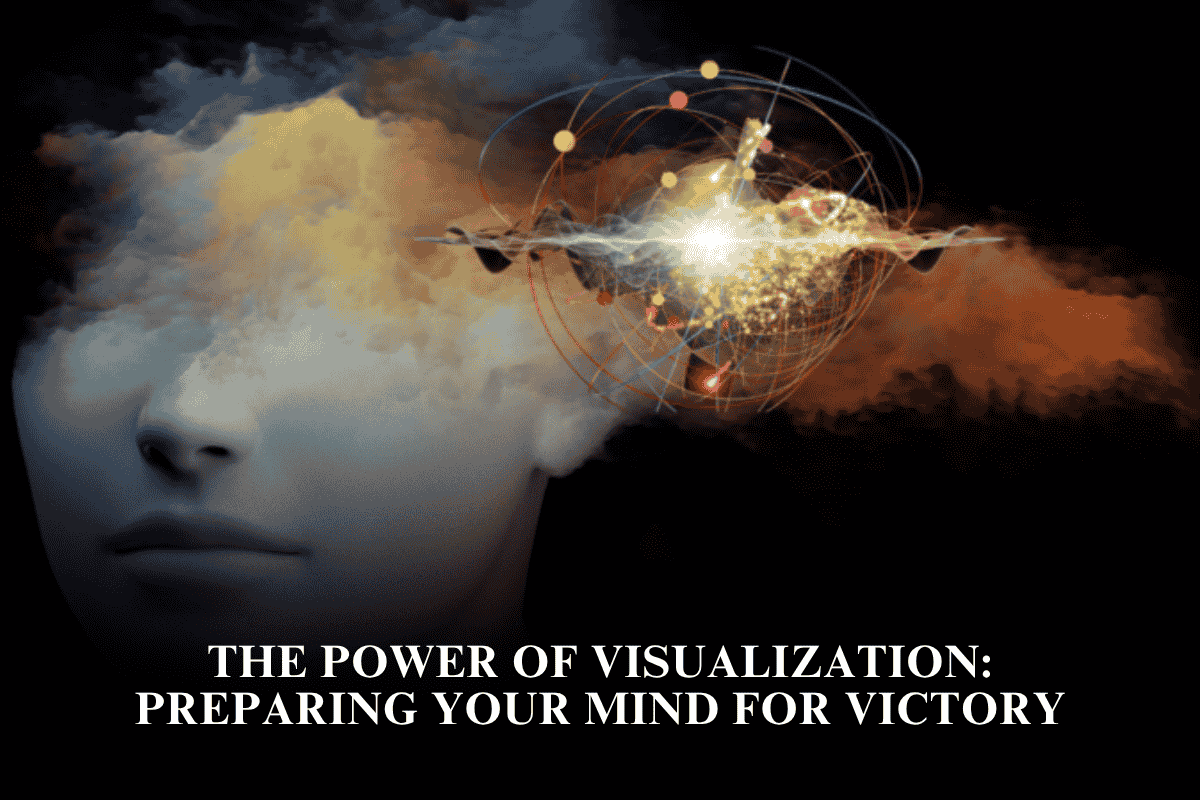
Visualization is a powerful mental technique that prepares the mind for victory by rehearsing success vividly before it physically happens. It strengthens the mind-body connection by activating the same neural pathways used in actual performance, enhancing confidence, focus, decision-making, and muscle memory.
How Visualization Prepares the Mind for Victory
- Mental Rehearsal of Skills: Athletes imagine performing their sport precisely—visualizing every movement, sound, and feeling involved. This creates a neural simulation akin to physical practice, which improves execution in real conditions.
- Boosting Confidence and Reducing Anxiety: Seeing yourself succeed in the mind’s eye familiarizes the brain with success, reducing nervousness and self-doubt before competition. Confident visualization often correlates with better performance under pressure.
- Sharper Focus and Preparedness: Visualization enables mental walkthroughs of game scenarios, which improves concentration and reaction times during real events. Anticipating challenges and pre-planning responses make athletes more adaptable and calm.
- Enhancing Muscle Memory: Imagery activates motor cortex areas as if physically practicing, helping reinforce muscle memory. Studies show even imagining muscle exercises can increase strength.
- Pain Management and Injury Recovery: Mental imagery supports rehabilitation by simulating movements and motivating athletes through setbacks, accelerating physical recovery and reducing perceived pain.
How to Practice Effective Visualization
- Use all senses—see, hear, feel the environment and movements in detail.
- Visualize both flawless execution and potential obstacles, mentally rehearsing solutions.
- Practice daily for 5-10 minutes, combining visualization with physical practice.
- Maintain positive, confident imagery—smiling or physically embodying confidence during visualization helps.
Famous Examples
- Michael Phelps: Visualized every stroke, turn, and even unexpected issues (e.g., water in goggles), contributing to his record 23 Olympic gold medals.
- Muhammad Ali: Combined visualization with affirmations to build his mental strength alongside physical prowess.
- NBA Coach Phil Jackson: Advocated mental imagery as key to his teams’ consistency under pressure.
FAQs
Q1: How does visualization improve sports performance?

A1: It activates brain regions involved in movement, strengthens muscle memory, reduces anxiety, and prepares athletes mentally for success scenarios.
Q2: How often should athletes practice visualization?
A2: Daily sessions of 5-10 minutes are recommended, ideally paired with physical training for maximum effect.

Q3: Can visualization help with injury recovery?
A3: Yes, mentally rehearsing rehabilitation exercises and success scenarios can accelerate healing and maintain motivation during downtime.
Q4: Should visualization include potential problems?

A4: Yes, imagining how to overcome obstacles builds mental adaptability and confidence in dealing with unexpected challenges.
Q5: Is visualization only for elite athletes?
A5: No, athletes at all levels can benefit from visualization to improve focus, confidence, and preparedness.