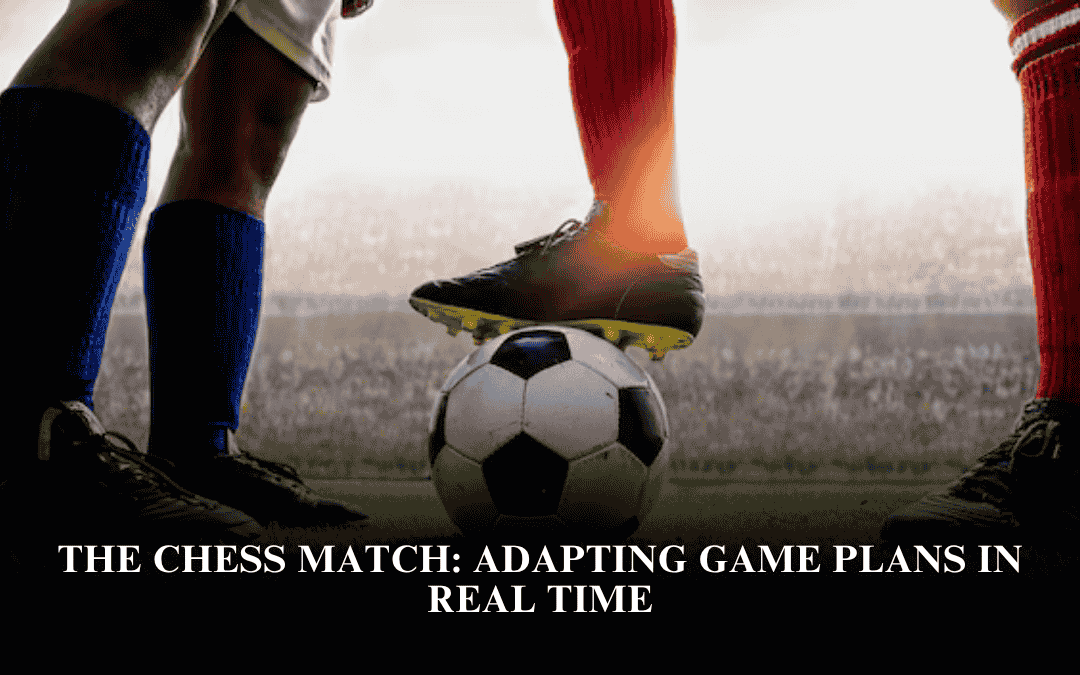
In the heart of Indianapolis, under the bright lights of Lucas Oil Stadium, coaching football feels less like a brawl and more like a grandmaster’s chess match. Every move is deliberate, every decision carries ripple effects, and every game plan is a calculated gamble.
Before kickoff, the “opening moves” are scripted through hours of film study and analytics. A coach in New York might design a 57% run-heavy scheme to exploit a weak defensive front, while Dallas leans into a fast-paced spread offense built on 30+ passing attempts and a 65% completion rate in the mid-range.

These early decisions are their “Sicilian Defense” — carefully chosen openings that play to their team’s strengths.
Yet, just as in chess, the opening only lasts a few moves. Once the pieces are in motion, everything can change.
Mid-Game: Reaction and Adaptation
By the second quarter, plans often meet reality. Maybe your quarterback in Denver has been sacked three times, or your inside runs keep collapsing under a stacked box. The smart coach—like the agile chess player—shifts strategy. Quick passes replace deep drops; screens and outside runs attack weak edges.

Data shows that NFL teams capable of executing effective mid-game adjustments—be it formation tweaks, personnel shifts, or tempo changes—are 18% more likely to win when trailing at halftime. The lesson is clear: adaptability isn’t optional, it’s essential.
In St. Louis, when the Rams found themselves trailing by a field goal after halftime, they didn’t double down on their original playbook.
They adjusted to the defense’s behavior—countering blitzes with faster releases and stretching the field horizontally with RPOs. In modern football, as in chess, sticking rigidly to an opening strategy is how you lose control of the board.
The Chess Clock: Tempo and Time Management

Every chess player knows the clock is a weapon. In football, tempo serves the same purpose. Some teams use no-huddle urgency to catch defenses off balance; others use clock control to strangle the opponent’s momentum.
In San Francisco, a team that mastered pace manipulation increased its third-down conversion rate to 44%—compared to the league average of 38%—by recognizing when to strike quickly and when to slow the rhythm.
Meanwhile, in Jacksonville, coaches have weaponized the clock by draining 40–50 seconds per snap during late-game drives, forcing opponents to panic into mistakes.
Like chess, tempo is not about speed—it’s about control. The ability to dictate rhythm, whether rapid or deliberate, is the mark of a true strategist.
Sacrifice, Exchange, and Positioning
Every chess grandmaster knows that victory sometimes requires a sacrifice. In football, that might mean risking a fourth-and-one, calling a trick play, or sacrificing field position to gain a future advantage.
In Chicago, for example, when a defense stacked the line on fourth down, the offense disguised a double-reverse pass that flipped field position and momentum. It was a calculated exchange—one that shifted control of the “board.”
Coaches constantly make these judgment calls: Do you go for it on fourth down or punt? Do you risk a blitz or drop into coverage? Like chess, these are not emotional decisions—they’re tactical gambles based on position, timing, and foresight.
Football may unfold on turf, but its true battleground lies in the mind. Every coach, from Boston to Seattle, plays a game within the game—a battle of wits, timing, and adaptability.
The pre-game plan is your opening. The halftime adjustments are your middle game. And the closing drive—when you’ve maneuvered your offense and defense into perfect sync—is your checkmate.
To win in modern football, you must think like a strategist, react like a tactician, and adapt like a master. Every quarter is a new puzzle, every drive a new opportunity.
Those who can adjust their plan mid-match—anticipating the opponent’s every counter—don’t just survive. They dominate.
FAQs
1. Why is adaptability so important for football coaches?
Because game conditions constantly change—injuries, weather, and opponent adjustments demand that coaches think dynamically and adjust strategies in real time.
2. How does tempo affect football strategy?
Controlling tempo allows a team to dictate pace—speeding up to tire defenses or slowing down to protect leads. It’s the football equivalent of managing the chess clock.
3. What are mid-game adjustments?
These are tactical shifts made during a game—changing play calls, formations, or player usage to counter the opponent’s evolving strategy.
4. How is football similar to chess?
Both require anticipating the opponent’s next move, managing limited time, and strategically sacrificing for long-term gain.
5. What’s the biggest mistake coaches make during games?
Failing to adapt. Rigid adherence to a pre-game plan can backfire when opponents adjust. The best coaches remain flexible and proactive, not reactive.