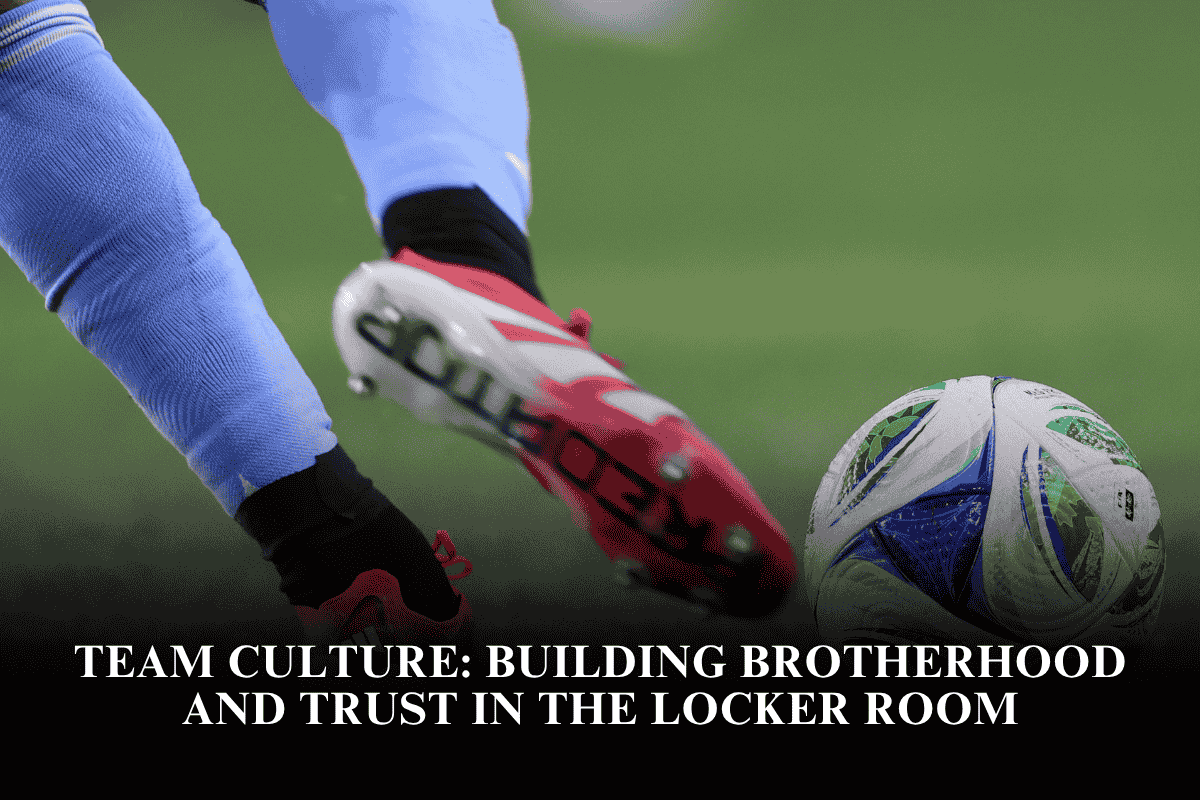
Building brotherhood and trust in the locker room is essential for creating a strong team culture that drives performance, accountability, and lifelong bonds. It revolves around shared purpose, mutual respect, vulnerability, accountability, and leadership from all members.
Key Principles for Building Brotherhood and Trust in the Locker Room
Shared Purpose and Mission: Teams unite around a clear mission that motivates collective effort. This mission acts as a “North Star” guiding each member’s commitment and decisions.

Mutual Accountability: Players hold themselves and others accountable in a supportive, non-judgmental way. This reinforces trust and keeps the culture aligned with team values.
Deep Personal Connections: Brotherhood grows through vulnerability and sharing personal stories, struggles, and goals, fostering empathy and trust among teammates.
Inclusive Leadership: Leadership and responsibility come from players at all levels, ensuring the culture is sustained by the entire team rather than just coaches or seniors.

Shared Experiences and Commitment: Intense shared effort, such as tough practices where players push through adversity together, cements brotherhood.
Psychological Safety: A culturally safe environment where players feel heard and valued encourages open communication and unity.
Long-term Relationships: Brotherhood extends beyond sports, contributing to lifelong friendships and networks of support.

Team-building Activities: Off-field bonding through workshops, retreats, or community service strengthens relationships and morale.
FAQs
Q1: How does shared purpose influence team culture?
A1: A clear and compelling mission aligns everyone’s efforts, creating a unified direction that fosters collaboration and commitment.
Q2: What role does accountability play in building trust?
A2: Mutual accountability ensures every player upholds team standards and responsibilities, reinforcing reliability and respect throughout the team.
Q3: How can teammates build deeper personal connections?
A3: Sharing personal stories, challenges, and goals creates empathy and trust, transforming teammates into a brotherhood that supports both on and off the field.
Q4: Who leads the culture in the locker room?
A4: Leadership is distributed across all players through groups like brotherhood councils, making responsibility part of the team’s DNA regardless of seniority.
Q5: How important are shared struggles in building brotherhood?
A5: Overcoming adversity together during practice or games builds strong emotional bonds and trust as teammates see each other at their most vulnerable.