Football is a game of specialized roles, and each position demands unique physical attributes, skills, and training approaches. Linemen, backs, and receivers differ significantly in their body types, strength, agility, and movement patterns. Position-specific training ensures athletes develop the capabilities essential to excel in their distinct roles on the field.
Linemen: Power and Leverage
Linemen are the cornerstone of the offensive and defensive trenches. They require exceptional strength, mass, and leverage to win battles against opponents. Their training focuses heavily on:
- Maximal strength development through compound lifts like squats, deadlifts, and bench presses to build a solid base of power.
- Explosive power training, including sled pushes and Olympic lifts, to enhance quick bursts of force for blocking and tackling.
- Leverage and hand technique drills to improve positioning and physical dominance.
- Mobility and flexibility work to maintain range of motion despite larger body mass.

Linemen’s training volume favors heavier weights with lower reps, emphasizing force generation and resilience.
Backs: Speed, Agility, and Strength Blend
Running backs and linebackers require a balance of strength, speed, and agility to quickly accelerate, change directions, and withstand tackles.
- Their workouts combine strength training with lighter weights and higher reps to maintain power without sacrificing speed.
- Plyometrics and agility drills enhance explosiveness and lateral movement.
- Position drills focus on field vision, reading plays, and tackling technique.
- Conditioning includes interval running and sprint drills to build game endurance and quick recovery.
Backs develop a versatile athletic profile tuned to fast, multidirectional play and physical toughness.
Receivers: Speed, Quickness, and Precision

Receivers emphasize speed, route running precision, and explosive acceleration.
- Their training prioritizes speed mechanics, including sprint technique and first-step quickness.
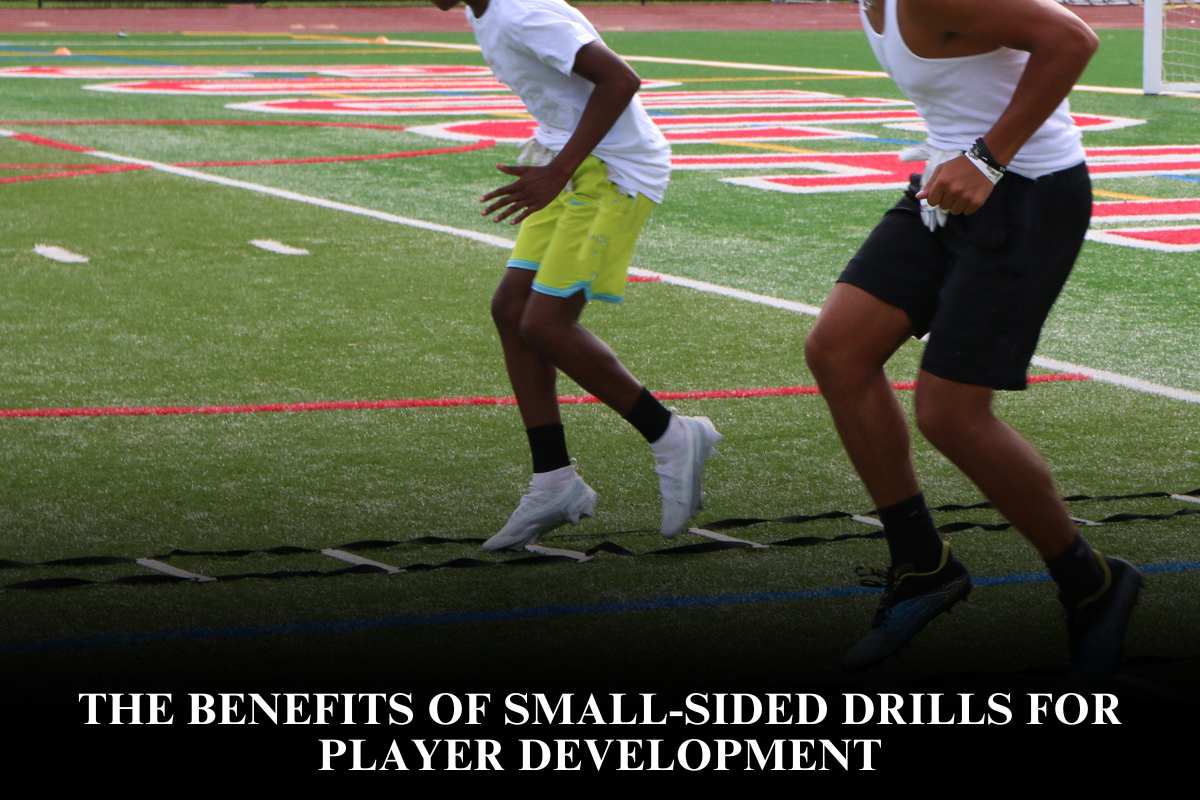
- Cutting drills and ladder footwork enhance agility and change of direction at high velocity.
- Strength training focuses on core stability and upper-body strength for blocking and catching, with lower weights and higher reps for endurance.
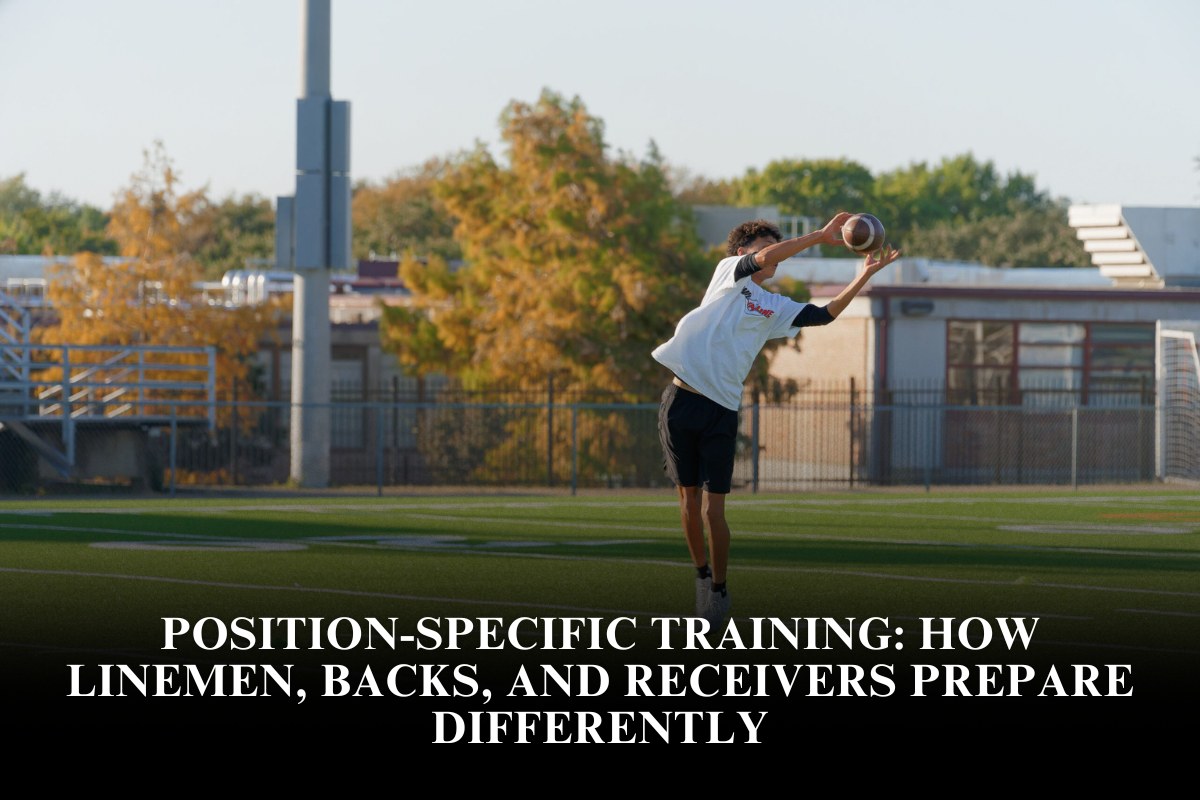
- Drills simulate in-game catching situations and route running to fine-tune timing and coordination.
Receivers maintain high levels of conditioning to sustain speed throughout the game.
FAQ: Position-Specific Football Training
Q: Why is position-specific training important?
A: It develops the unique physical attributes and skills required by each position, improving performance and reducing injury risk.
Q: Do linemen need to focus on speed?
A: While linemen prioritize power, developing adequate foot speed and agility is important to react quickly and sustain performance.
Q: How can backs balance strength and speed?
A: Training combines moderate strength loads with agility and plyometric drills to develop explosive athleticism suited for quick, powerful plays.
Q: What should receivers prioritize in training?
A: Speed, quickness, precision in footwork, and maintaining cardiovascular endurance to perform consistent high-speed routes.
Q: Can players cross-train in other positions?
A: Cross-training can build overall athleticism, but focusing on position-specific skills maximizes effectiveness in game situations.