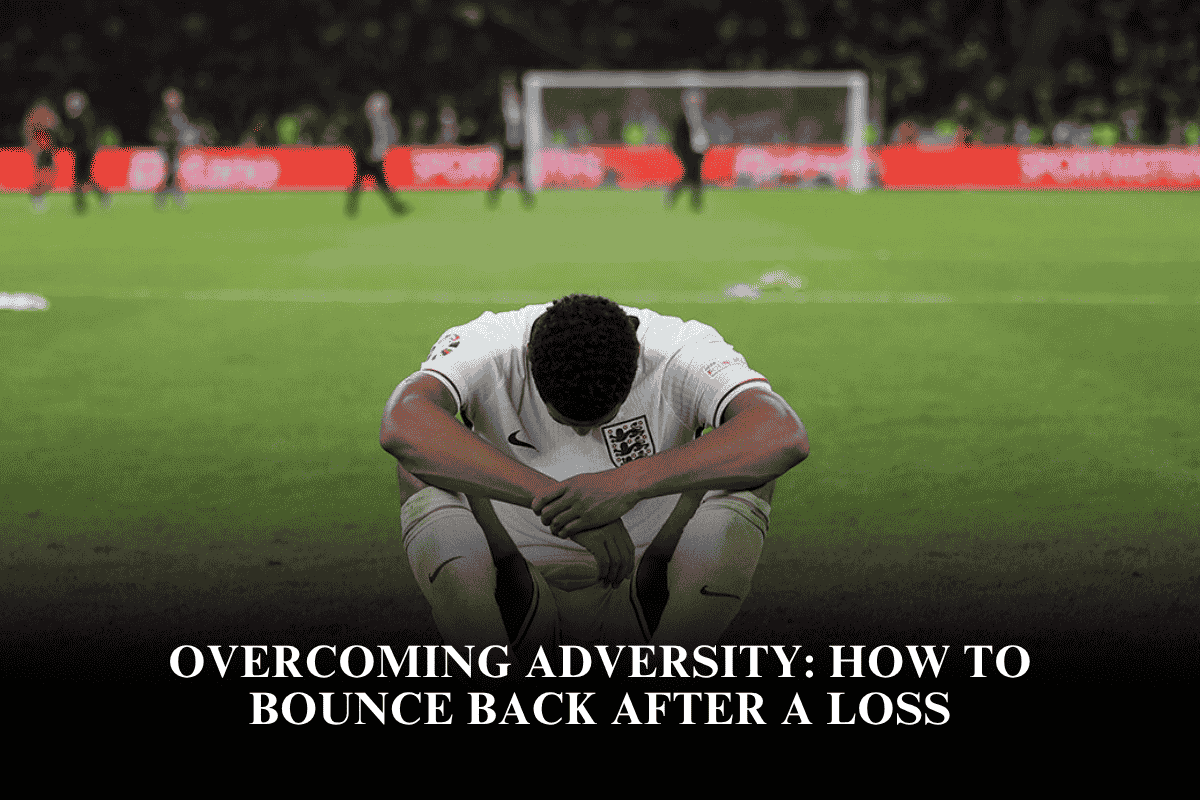
Overcoming adversity and bouncing back after a loss requires mental resilience, self-compassion, perspective, and actionable steps for recovery. It’s a process of accepting the reality of loss, learning from it, and moving forward with hope and renewed motivation.
Key Insights on Overcoming Adversity
Acceptance and Perspective: Recognize that loss is inevitable and cannot be changed. Embrace self-compassion to shift from self-criticism to encouragement, which fuels recovery and growth.

Process Your Emotions: Allow yourself to grieve and feel disappointment without judgment, but don’t get stuck. Manage emotions mindfully and use techniques such as naming feelings and practicing self-kindness.
Learn and Adapt: Focus on lessons from the loss: What can be learned? How can performance or behavior improve? What’s the next step forward? This learning mindset transforms adversity into opportunity.
Maintain Physical and Mental Health: Healthy habits like sleep, nutrition, and exercise support stronger resilience and clearer thinking through adversity.

Build a Support System: Connect with trusted friends, mentors, or groups to share feelings and gain perspective. Vulnerability strengthens resilience and reminds you that you are not alone.
Set Small Goals: Break challenges into manageable steps and celebrate small wins to build confidence and momentum.
Use Humor and Optimism: Reframing difficult events with humor or positive outlooks can reduce negative emotions and increase psychological flexibility.

Practice Gratitude: Focusing on positives through gratitude journaling can shift mindset and improve overall mood.
Give Yourself Permission to Mourn: Recognize that it’s acceptable to feel upset, but set a timeframe to move from mourning to action.
FAQs
Q1: Why is self-compassion important after a loss?
A1: Self-compassion reduces anxiety and rumination, making it easier to admit mistakes, learn from them, and take on new challenges without harsh self-judgment.
Q2: How do I avoid getting stuck in negative emotions?
A2: Practice mindfulness to acknowledge emotions without attachment, use techniques like naming feelings, take healthy distractions (exercise, hobbies), and connect socially to regain balance.
Q3: How can I regain confidence after a setback?
A3: Keep a written record of previous successes, set small achievable goals, and focus on the next best steps instead of dwelling on the failure.
Q4: What role does physical health play in overcoming adversity?
A4: Proper sleep, nutrition, and exercise provide the energy and mental clarity needed to face challenges effectively and maintain resilience.
Q5: How long should I grieve a loss before moving forward?
A5: It varies, but it’s healthy to allow time to mourn. After processing emotions, consciously shift focus to actionable recovery steps to avoid prolonged stagnation.