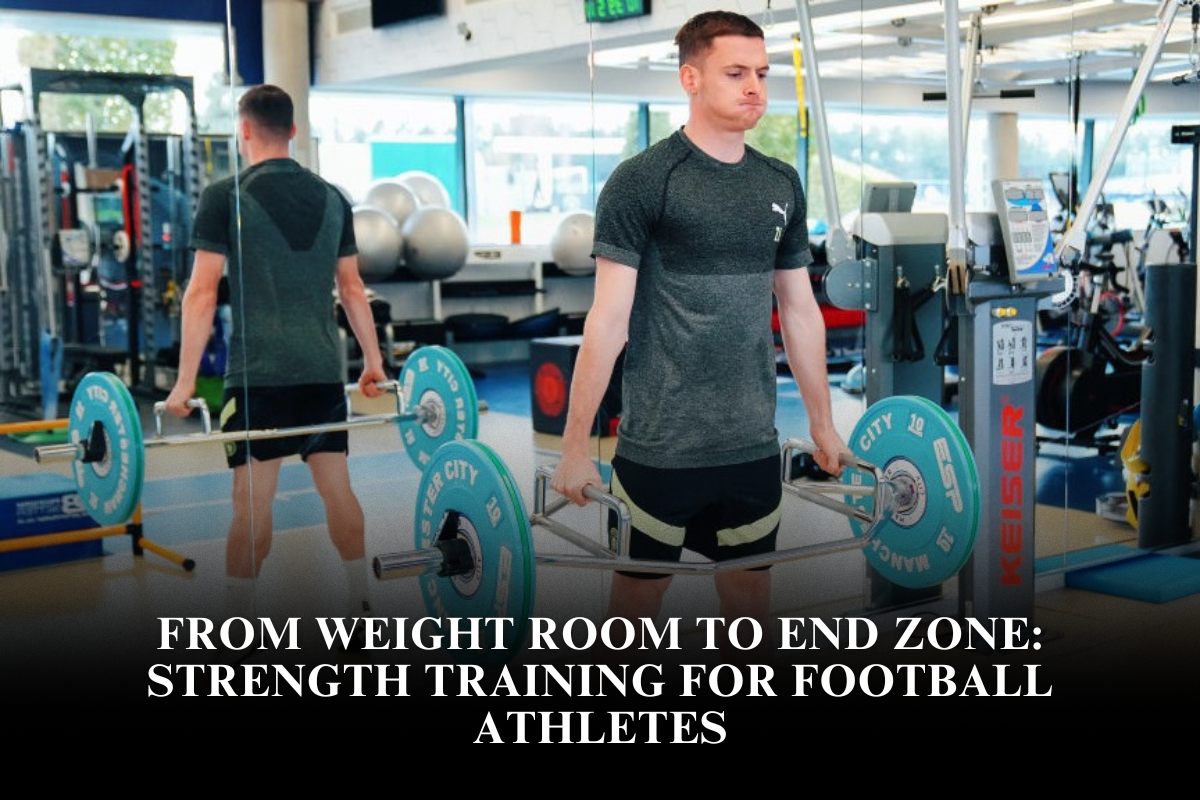
Strength training is a vital component of a football player’s preparation, translating raw power from the weight room into explosive performance on the field. The right exercises not only build muscle and improve endurance but also enhance speed, agility, and injury resilience.
Importance of Strength Training in Football
Football demands strength for tackling, blocking, sprinting, and changing direction rapidly. Developing strength improves force production, movement efficiency, and physical durability to withstand the sport’s intense contact. Strength training also helps prevent injuries by reinforcing muscles, tendons, and joints.
Key Strength Exercises for Football Players
Barbell Back Squat

Considered the cornerstone for lower body strength, back squats target quads, hamstrings, glutes, and core. This exercise builds foundational leg power crucial for running, jumping, and explosive movements during play. A typical regimen includes 4 sets of 8 reps with controlled tempo focusing on a strong eccentric and explosive concentric phase.
Bulgarian Split Squat
Single-leg strength is critical in football, where players often push off or plant on one leg. Bulgarian split squats improve balance, quad strength, and hip stability, aiding in lateral movement and reducing injury risk. Recommended are 3 sets of 10–12 reps per leg with appropriate rest.
Deadlifts
Deadlifts develop the posterior chain (hamstrings, glutes, lower back) vital for sprinting speed and tackling power. Alternating between conventional and straight-leg deadlifts every other week enhances muscle activation and flexibility.
Upper Body Strength Moves

Upper body strength, from exercises like bench presses, dumbbell rows, and overhead presses, supports powerful tackles, blocks, and throws. These lifts develop the chest, back, shoulders, and arms to improve overall force generation on the field.
Additional Training Elements
Plyometrics and Explosive Movements
Integrate plyometric exercises like box jumps and med ball slams to convert strength into speed and power, training muscles to fire rapidly for explosive movements necessary in football.
Conditioning and Recovery
Balanced conditioning programs improve stamina and performance during long games, while proper recovery (rest days, stretching, mobility work) helps maintain strength gains and prevent fatigue.
FAQ: Strength Training for Football Athletes

Q: How frequently should football players perform strength training?
A: Typically 3 strength-focused sessions per week, combined with plyometrics and conditioning on other days, allowing for sufficient recovery.
Q: Can beginners benefit from heavy lifting?
A: Yes, with proper technique and supervision. Starting with foundational lifts like squats and presses using moderate weight builds a solid base.
Q: How does strength training improve football performance?
A: Increases muscle power, speed, agility, and durability—all translating into better tackles, faster sprints, and enhanced game endurance.
Q: Should training vary by position?
A: Yes. Linemen typically focus more on maximal strength, while skill positions emphasize explosiveness and speed alongside strength.
Q: How important is rest and recovery?
A: Critical. Heavy lifting stresses the nervous system and muscles, so recovery protocols ensure continuous progress and injury prevention.
Strength training is the bridge from the weight room to on-field success. By developing comprehensive strength—especially in the lower body and core—football athletes enhance their ability to win battles in the trenches, make explosive plays, and sustain peak performance from kickoff to the final whistle.