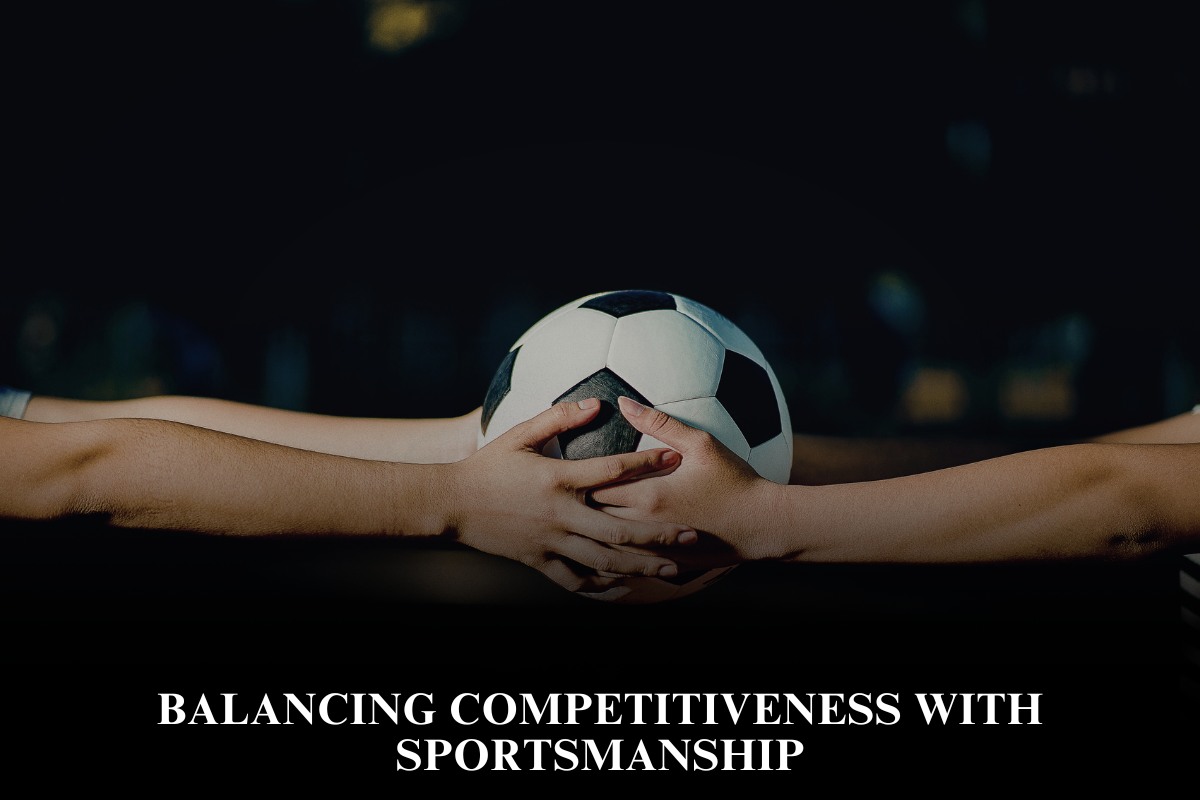
Balancing competitiveness with sportsmanship in USA sports ensures athletes pursue victory ethically, fostering respect, integrity, and long-term development amid NFHS data showing unsportsmanlike conduct rising in high school athletics. NFHS rules prioritize three pillars—risk minimization, traditions, and sportsmanship—for 8 million participants, where coaches model behavior to curb taunting and ejections that plague 20% of games.
Defining Sportsmanship in Competitive Contexts
Sportsmanship embodies fair play, respect for opponents, officials, and rules, per NCAA Bylaw 10.01.1, distinguishing it from gamesmanship like time-wasting. Task-oriented athletes (self-improvement focus) exhibit higher sportsmanship than ego-driven ones comparing superiority, with studies linking prosocial attitudes to better cohesion and reduced burnout. USA Lacrosse and NFHS define it as civility, penalizing degradation or public criticism.
Coaching Strategies for Balance
Coaches champion equilibrium by emphasizing process over outcomes—USA Swimming urges free play in practices to inject fun, countering specialization burnout affecting 70% dropouts by age 13 per AAP. NFHS courses train via PSAs, student-led cheers for officials, and parent meetings, yielding positive environments where kids lead sportsmanship efforts. Model respect: greet opponents pre-game, discipline taunters immediately per NCAA ethical conduct.
Psychological Benefits and Research
Mental toughness mediates: resilient athletes lower anxiety via self-efficacy and empathy, accounting for 48% sportsmanship variance, enhancing performance without antisocial acts. Task cohesion rises with positive emotions from sportsmanlike play, per combat sports studies, while ego focus breeds stress—Peak Sports cases show confident athletes like surfers trusting process over wins. TrueSport notes excellence through sportsmanship builds consistency, as in Shawn Crawford gifting his medal.
Youth Sports Challenges and Solutions
Win-at-all-cost cultures spike pressure, with social media amplifying outcomes over growth—NFHS issued 2022-23 sportsmanship emphasis amid rising incidents. Solutions: shift to skill drills, team-building scrimmages, and inclusivity balancing competition, preventing injury/flexibility losses in adolescents. High school rivalries demand wake-up calls; coaches enforce via timely discipline, per NFHS playbook.
High School and College Guidelines

NFHS writes rules for 17 sports emphasizing sportsmanship as Point of Emphasis, mandating coach-led integrity—ejections target coaches first for team conduct. NCAA requires honesty in eligibility, with Presidents’ Commission upholding dignity; violations like lane-stepping disqualify despite wins, as in Beijing 2008 where Crawford prioritized fairness. NEWMAC standards ban taunting, praising coaches for positive promotion.
Real-World Examples from USA Athletics
Missouri wrestling: injured athlete carried bases by opponents, embodying Missouri State High School League ideals. Softball teams console rivals; Edmonton Oilers’ gestures inspire. Tokyo Olympics saw Caeleb Dressel share medal joy; high school PSAs feature kids welcoming officials. These counter bad sportsmanship’s psychological toll, like decreased coordination in stressed youth.
Long-Term Impact on Athletes
Sportsmanlike competitors gain resilience, leadership, and retention—ego athletes risk isolation, while task-focused thrive in teams. NFHS/NCAA programs scale nationally, with free courses fostering ethical cultures for 11 million participants.
FAQs

Q. What defines good sportsmanship per NFHS?
Respect for opponents/officials, no taunting—coaches model via pre-game greetings and discipline.
Q. How does mindset affect balance?
Task-oriented (process-focused) show higher sportsmanship than ego-driven (win-focused), boosting cohesion.
Q. Why emphasize in youth sports?
Prevents 70% dropout by age 13 from pressure; fun drills counter burnout per AAP/USA Swimming.
Q. NCAA penalties for poor conduct?
Disqualifications, coach sanctions—Bylaw mandates dignity beyond rules.
Q. Real example of elite sportsmanship?
Shawn Crawford gifted silver medal after rivals’ DQ, prioritizing fairness.