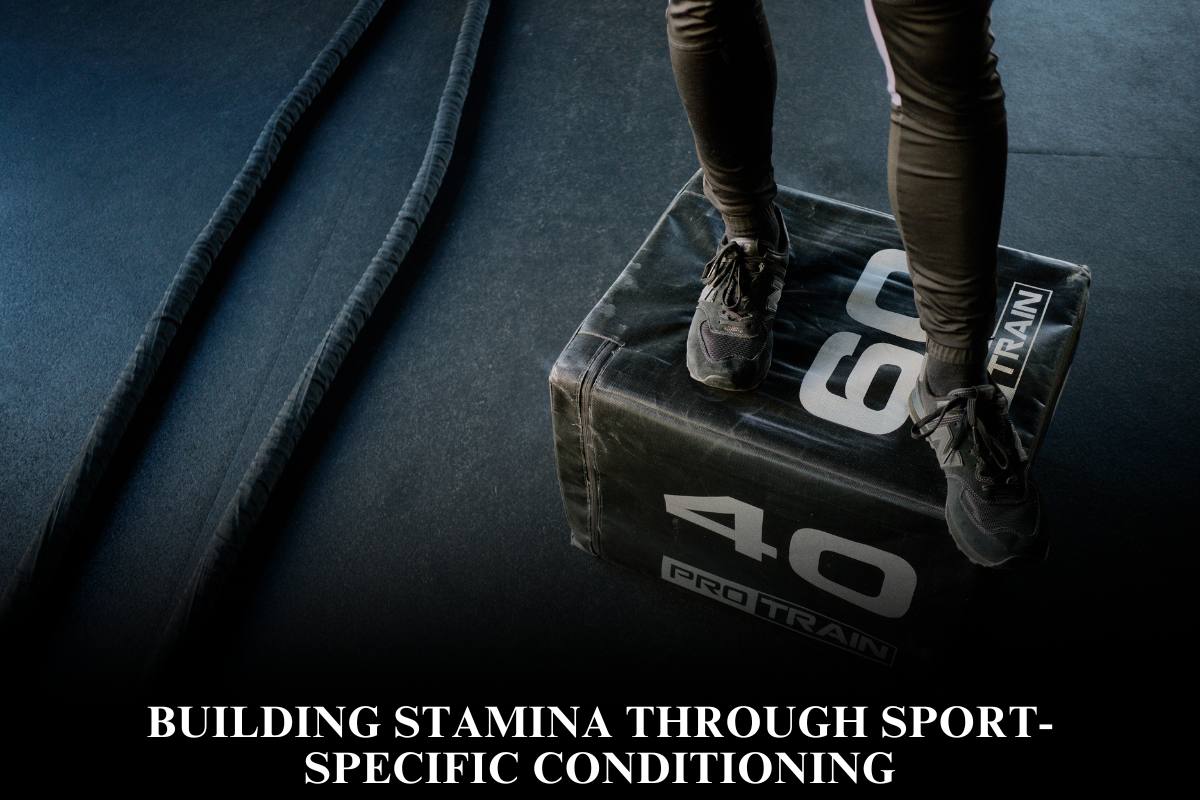
Sport-specific conditioning builds stamina by tailoring workouts to mimic the unique energy demands, movements, and durations of individual sports, following U.S. guidelines from the National Strength and Conditioning Association (NSCA) and American College of Sports Medicine (ACSM).
This approach enhances aerobic capacity, anaerobic power, and recovery between high-intensity efforts, reducing fatigue in competition while cutting injury risk by up to 30-50% through targeted drills. Programs for high school, college, and pro athletes emphasize periodization—progressing from base-building to peak performance phases—for measurable gains like 5-12% VO2max improvements in 4-8 weeks.
Core Principles of Sport-Specific Stamina

NSCA and ACSM recommend specificity, progression, and individualization as foundational principles, ensuring drills replicate sport motions like football’s short bursts or basketball’s repeated sprints.
Training integrates aerobic endurance via long slow distance (LSD) runs at 60-70% max heart rate with anaerobic intervals at 90-100% for repeat sprint ability (RSA). Overload occurs gradually—starting with 20-30 minute sessions 2-3 days weekly—to build tolerance without overtraining, monitored via RPE scales or fitness tests like the Yo-Yo Intermittent Recovery Test.
Football Conditioning Strategies
American football demands anaerobic dominance for 5-10 second plays with 20-40 second recoveries, per USA Football and NFL protocols; HIIT sprints (e.g., 40-yard dashes with 30-second jogs) and position-specific drills like lineman sled pushes build stamina.

Plyometrics such as box jumps and agility ladders enhance power endurance, while tempo runs (80% effort for 20-30 minutes) sustain fourth-quarter performance. High school programs limit sessions to 3 hours daily with 3-hour recovery gaps, yielding 10-15% stamina gains quarterly.
Basketball and Soccer Endurance Drills
Basketball stamina training uses court suicides—sprints between lines with minimal rest—to mirror stop-start play, improving VO2max by 8-10%; full-court dribble sprints add skill integration. Soccer employs shuttle runs (20-40m repeats) and small-sided games for 30-90 minute sessions at 130-160 bpm, boosting match endurance per U.S. Soccer Federation models. Both sports favor 2-3 weekly HIIT sessions over steady cardio for superior RSA and reduced fatigue in overtime.
Swimming and Track Running Programs
Swimmers follow NSCA dryland protocols with medicine ball slams, pull-ups, and core circuits (e.g., planks, Russian twists) 2-3 days weekly to support stroke endurance, paired with pool intervals like 50m sprints at 95% effort. Track athletes build via progression runs (easy start, race-pace finish) and fartleks (30-90 minutes variable pace), alternating with long runs every 7-10 days for high school cross-country. These yield aerobic threshold shifts, enabling sustained 800m-5K paces.
Periodization and Recovery Essentials

Periodized plans divide into prep (high-volume LSD), build (HIIT/plyos), and competition (maintenance) phases, per NSCA, with 48-hour recovery between intense days. Nutrition—6-10g/kg carbs, 1.6-2.2g/kg protein—and sleep (8-9 hours) fuel adaptations; track progress with 40-yard dash times or vertical jumps. ACSM advises 2+ strength days weekly alongside conditioning for balanced gains.
Frequently Asked Questions (FAQs)
Q. How often should athletes condition for stamina per U.S. guidelines?
NSCA recommends 2-3 sessions weekly, blending HIIT and LSD, with full recovery days to prevent overtraining; high school limits total practice to 3 hours/day.
Q. What distinguishes sport-specific from general stamina training?
Specific drills mimic game demands—like football hill sprints vs. generic jogging—improving transfer to performance by 15-20% via energy system matching.
Q. Can beginners or youth start sport-specific conditioning safely?
Yes, begin with bodyweight drills and lower volumes under supervision; AAP/NSCA endorse ages 7+ with form focus to build base without injury risk.
Q. How long until stamina improvements appear?
Noticeable gains in 4-6 weeks (e.g., +5-10% VO2max), accelerating to 12 weeks with consistent periodization and nutrition.
Q. What role does recovery play in building sport stamina?
Essential—active rest, foam rolling, and 16-24oz fluid/hour post-session restore glycogen and reduce injury by 30%; monitor HR recovery for adjustments.