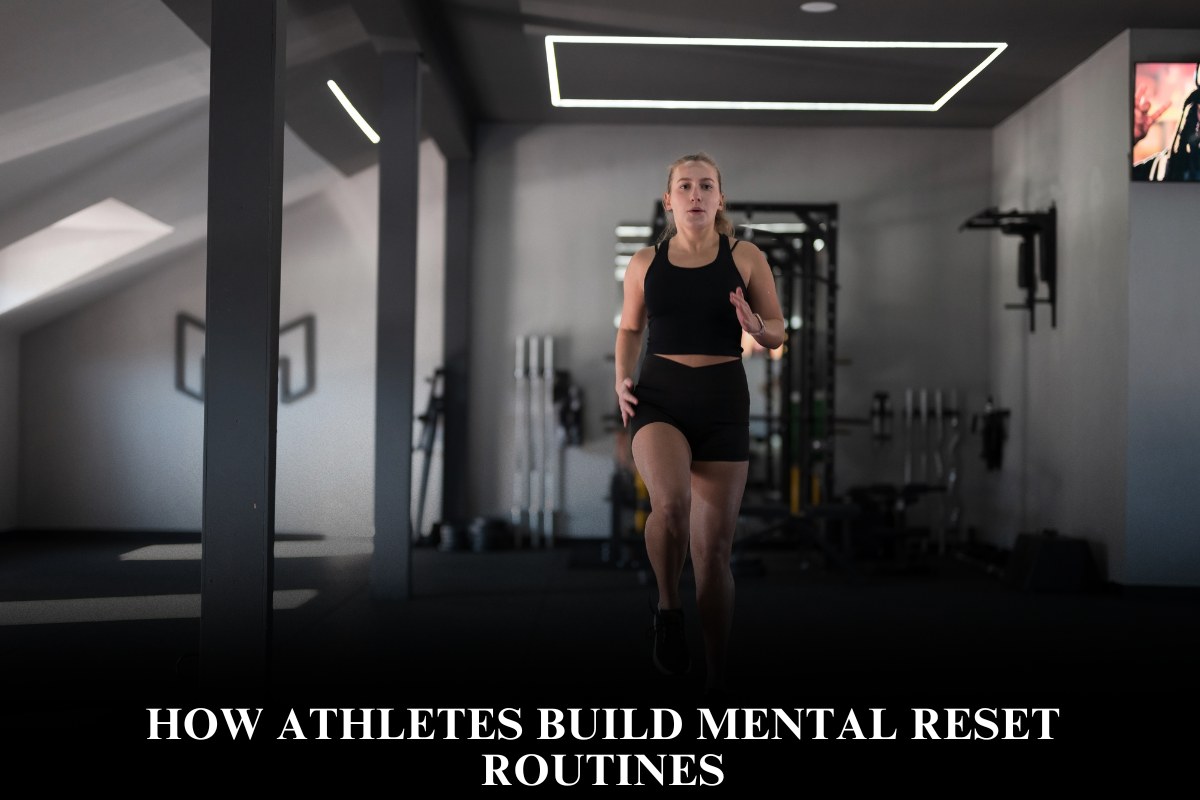
U.S. athletes craft mental reset routines to swiftly recover from errors, pressure, or slumps, using breathwork, cues, and self-talk to regain focus and boost performance by 20-30% in high-stakes moments per sports psychology research.
Stars like Steph Curry (box breathing) and Patrick Mahomes (“next play” mantra) employ these in NBA/NFL games, interrupting negative spirals via structured ABC (Accept, Breathe, Commit) or 3R (Recognize, Release, Refocus) protocols. Consistent practice turns routines into automatic neural pathways, essential for 82-game NBA or 17-game NFL seasons.
Core Components of Reset Routines

Effective resets combine physiological calming with cognitive reframing—pause for 3-5 seconds, breathe deeply (4-7-8 pattern), and cue a process-focused action. Physical anchors like thigh slaps or arm shakes discharge tension, signaling the brain to shift from rumination to execution, as used by MLB pitchers post-error. Mantras (“What now?”) or questions (“What’s in my control?”) replace self-criticism, fostering resilience backed by AASP guidelines.
Pre-Game Activation Routines
Build routines 15-30 minutes before tip-off or kickoff: transition via visualization, discard expectations, and rehearse responses to adversity. NFL quarterbacks use nasal box breathing (4s in-hold-out-hold) to drop heart rate 10-15 bpm; youth athletes adapt with 1-minute versions for school sports. Positive self-talk scripts (“Smooth and strong”) paired with power poses prime confidence, per Peak Sports protocols.
In-Game Mid-Play Resets
During timeouts or between plays, elite performers execute 10-second resets: recognize spiral (e.g., missed shot), release via breath or shake-out, refocus on next task. Brian Cain’s 3Rs help baseball players post-strikeout; tennis stars like Swiatek fist-press as a “reset button” to halt momentum loss. Team huddles amplify this—Chiefs’ Bryan Cook leads group breaths for collective calm.
Post-Game Recovery Protocols

Evening wind-downs process emotions: journal controllables vs. uncontrollables, then 5-minute flow (arm circles, neck rolls, forward folds) to discharge residue. Sleep hygiene—20 deep breaths pre-bed—consolidates learning; Chiefs’ Lane Johnson adds Wim Hof for anxiety reduction. Weekly reviews track routine adherence, adjusting for fatigue via apps like Headspace tailored for athletes.
Building and Customizing Routines
Start simple: 2-week trial of one cue daily, progressing to full sequences; coaches personalize via wellness logs (mood, sleep). Youth programs emphasize accessibility—no gear needed—while pros integrate with S&C for holistic gains. Track via performance metrics: error recovery time drops 50% in 4-6 weeks.
Challenges and Long-Term Integration
Over-reliance risks ritualization; balance with flexibility—test under fatigue in practice. Mental fatigue from 162-game MLB seasons demands variety; pair with peer accountability for 80% adherence.
FAQs
1. What’s the fastest in-game reset?
3-second pause-breathe-refocus: recognize error, exhale tension, cue next action—used by pros for instant shifts.
2. How does breathing aid resets?
Slows heart rate, interrupts spirals; box breathing (4-4-4-4) calms like Curry/Johnson pre-performance.
3. Best cue for beginners?
Physical shake-out or “Next play”—simple, automatic tension release without overthinking.
4. How often to practice routines?
Daily 5-10 minutes; game-sim drills 2-3x/week build automaticity in 4-6 weeks.
5. Do routines work for team sports?
Yes—huddle breaths/shared mantras amplify; Chiefs/NBA teams gain collective resilience.