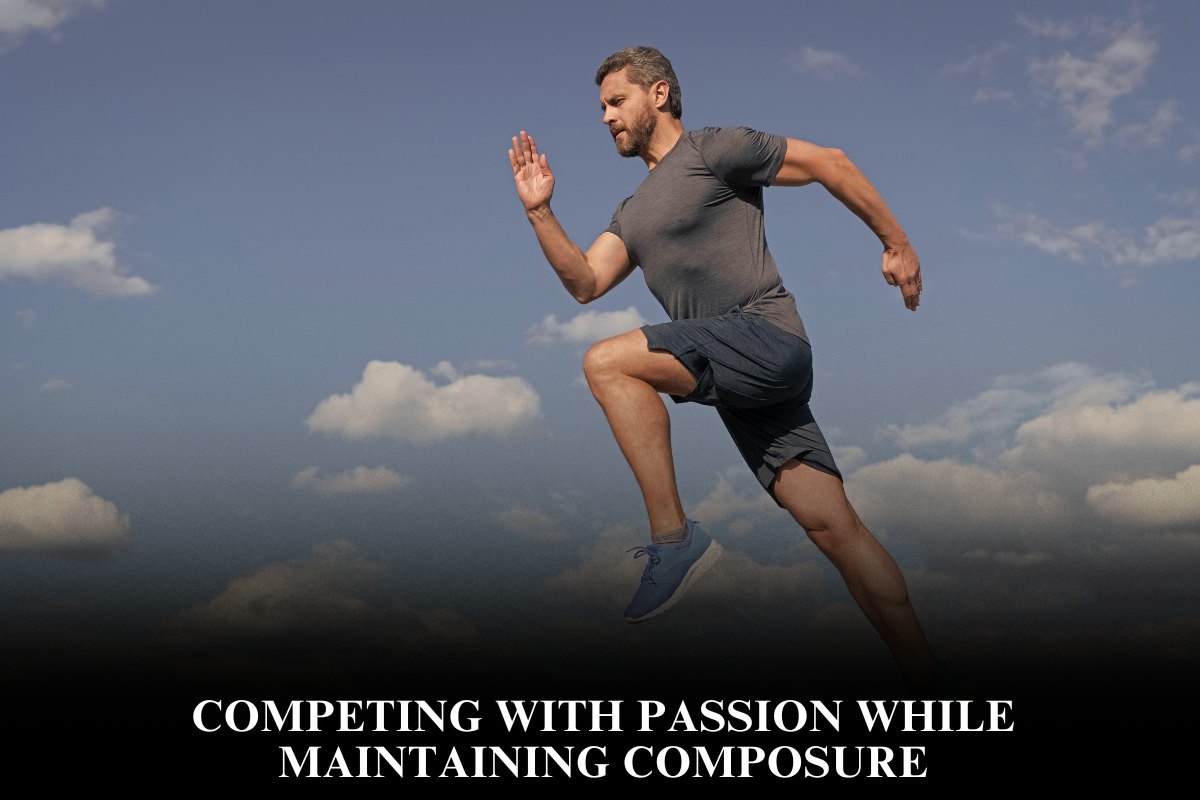
In American sports like football, basketball, and soccer, athletes balance intense passion with composure to excel under pressure, as emphasized by USA coaching guidelines from organizations like USA Football and NFHS.
This mindset drives peak performance while minimizing penalties from emotional outbursts, fostering long-term success in competitive environments. Mastering this duality separates elite competitors from average ones across youth to professional levels.
Understanding Passion in Competition

Passion fuels determination and resilience, pushing athletes to train harder and fight through adversity in USA sports culture. It manifests as aggressive plays, vocal leadership, and unyielding effort, key to team victories in high-stakes games. However, unchecked passion risks fouls, ejections, or injuries, as seen in NFHS rules penalizing unsportsmanlike conduct.
The Role of Composure Under Pressure
Composure involves controlled breathing, focused decision-making, and emotional regulation, enabling athletes to respond strategically rather than react impulsively. In USA football, NFHS 2025 points of emphasis highlight maintaining poise during tackles and blocks to avoid targeting penalties. Studies from sports psychology show composed players reduce errors by 25-40% in clutch moments.
Mental Conditioning Techniques
Athletes build this balance through visualization, where they mentally rehearse scenarios with high energy but calm execution, a staple in NFL and college programs. Mindfulness training, including box breathing (inhale 4 seconds, hold 4, exhale 4), centers the mind before plays, aligning with USA Football’s player development resources. Journaling post-game reflections helps identify passion-driven successes versus composure lapses.
Physical Strategies for Balance

Core workouts and agility drills enhance body control, mirroring safe tackling prep by promoting stability during heated exchanges. Cardio sessions with interval training simulate game intensity, teaching athletes to sustain passion without fatigue-induced rashness. Proper warm-ups prevent overexertion, ensuring physical composure supports mental steadiness.
Coaching and Team Culture
USA coaches instill this via “cool head, fire heart” mantras, using film study to reward passionate yet composed plays, as in USA Football’s youth systems. Positive reinforcement for de-escalating conflicts builds team norms, reducing taunting penalties under NFHS rules. Peer accountability, where teammates call out excesses, strengthens collective composure.
On-Field Application Drills
Progressive scrimmages start with low-stakes reps, escalating to full intensity while enforcing pause-and-reset cues from coaches.
- Pressure Simulation Drill: Players perform under noise and physical challenges, practicing deep breaths to refocus after intense efforts.
- Decision Tree Exercise: Review plays where passion led to turnovers, drilling alternatives with calm execution.
- Role-Play Scenarios: Act out trash-talk or close calls, responding with verbal acknowledgments instead of retaliation.
- Recovery Circuits: Alternate sprints with yoga poses to blend explosive passion with restorative calm.
- Captain’s Challenge: Leaders model composure in adversity, earning team respect through consistent example.

These align with NFHS emphasis on smarter play, preparing athletes for real-game chaos.
Handling Adversity Gracefully
When passion boils over, quick recovery involves self-talk like “channel it, don’t lose it,” preventing spirals into poor decisions. USA sports psychology resources stress viewing setbacks as fuel, maintaining eligibility and reputation. Long-term, this builds mental toughness, reducing burnout common in high school and college seasons.
Benefits for Career Longevity
Athletes excelling in this balance enjoy fewer suspensions, better recruitment, and sustained performance, as evidenced by NFL stars who thrive on controlled intensity. Programs like Heads Up Football integrate it into safety protocols, lowering injury risks from emotional plays. Ultimately, it cultivates leaders who inspire passion in others without chaos.
FAQs
1. How does composure reduce penalties in USA football?
It prevents retaliatory actions and unsportsmanlike conduct, aligning with NFHS rules that penalize emotional targeting, keeping players on the field.
2. What breathing technique aids on-field composure?
Box breathing—4-second inhale, hold, exhale, hold—quickly resets the nervous system during high-passion moments, used in NFL training.
3. Why pair physical conditioning with mental training?
Strong conditioning supports sustained effort without fatigue-driven impulses, enhancing both passion and control as in USA Football drills.
4. How do coaches foster this balance in youth sports?
Through film reviews rewarding composed aggression and team norms that celebrate “fire with ice,” per USA Football guidelines.
5. What long-term gains come from passionate composure?
Fewer injuries, better team dynamics, and career advancement, with data showing 30% lower error rates in composed competitors.