Hand-eye coordination synchronizes visual input with precise hand movements, forming the foundation for sports success in American youth programs like Little League baseball and USA Football.
Targeted drills enhance reaction time, accuracy, and performance across sports such as baseball, basketball, and football. In the USA, coaches emphasize these exercises from early ages to build skills aligned with guidelines from organizations like Little League.
Importance in American Sports

Strong hand-eye coordination boosts athletic precision, enabling athletes to track fast-moving objects like pitches or passes. Studies and coaching resources show it improves spatial awareness, reduces errors, and elevates game performance in MLB-influenced youth training. USA-based programs link better coordination to confidence gains and competitive edges in high school and travel ball.
Essential Beginner Drills
Tennis ball wall tosses build tracking skills by having players catch rebounding balls one-handed, progressing to rapid volleys. Card catching involves flipping playing cards edge-on for players to snatch mid-air, starting slow and adding colors for specificity. Juggling scarves or bean bags introduces rhythm, advancing to balls as dexterity improves.
Sport-Specific USA Drills
Football drills toss two tennis balls simultaneously to mimic split attention between ball and defenders. Basketball players shoot while dribbling or facing moving targets, simulating blocks per USA Basketball warm-ups. Baseball routines use small balls or weighted bats for tee work, as recommended by Little League and MLB coaches.
Progressing to Advanced Challenges

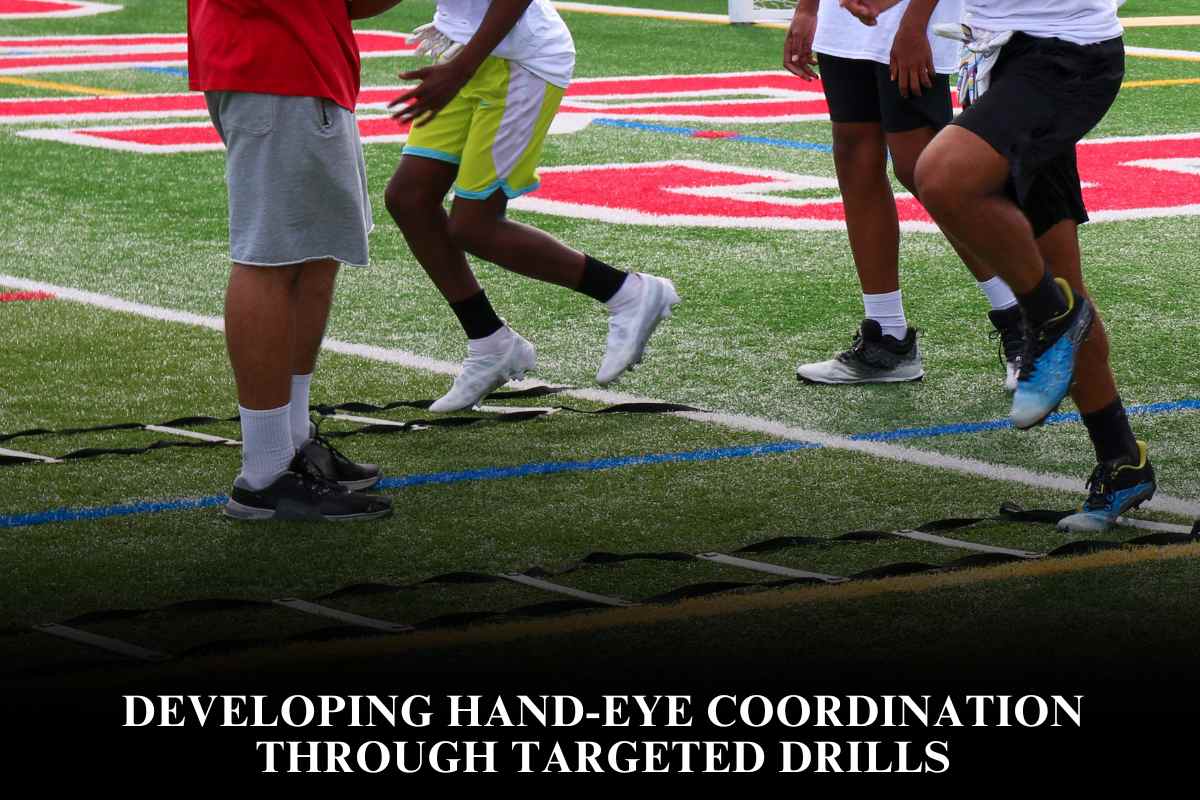
Two-ball tosses require catching with opposite hands, building ambidexterity for youth baseball. Agility ladder runs paired with partner ball catches combine footwork and vision, ideal for travel ball regimens. Reaction ball drops or vector ball color-matching sharpen reflexes, used in CORE Athletic Training programs nationwide.
Training Tips for Optimal Results
Practice three times weekly for noticeable gains, tracking progress via success rates or times. Emphasize form over speed, incorporating friendly competitions to engage youth per USA coaching standards. Tailor difficulty by age—simpler for 5-8-year-olds, complex for teens—and consult programs like USA Football for safety.
FAQs
1. What age should hand-eye coordination drills start in USA youth sports?
Drills begin around age 5 in Little League tee ball and USA Football, using soft tosses and balloons for safety and fun.
2. How often should athletes perform these drills for improvement?
Three sessions per week, 10-15 minutes each, yield results in 4-6 weeks, as shown in CORE Athletic youth programs.
3. Can hand-eye drills benefit non-athletes in the USA?
Yes, occupational therapy techniques like puzzles and bead threading improve daily skills for all ages.
4. What equipment is needed for basic USA-style drills?
Tennis balls, playing cards, bean bags, and a wall suffice; advanced options include reaction balls from baseball suppliers.
5. How do coaches measure progress in hand-eye coordination?
Track catches per minute, error rates, or reaction times, with tools like ruler drops common in American sports science.