Mentorship in U.S. sports programs accelerates athlete growth by providing guidance beyond technical skills, fostering resilience, academic success, and life skills through structured relationships. From youth leagues to NCAA and professional levels like the NFL and NBA, mentors—often coaches, alumni, or community leaders—help navigate pressures, reducing dropout rates and enhancing performance.
Role in Youth Sports
Youth sports mentoring leverages practices and games to build trust and personal growth, emphasizing themes like support and integrity via tools such as the NRPA Youth Mentoring Framework.

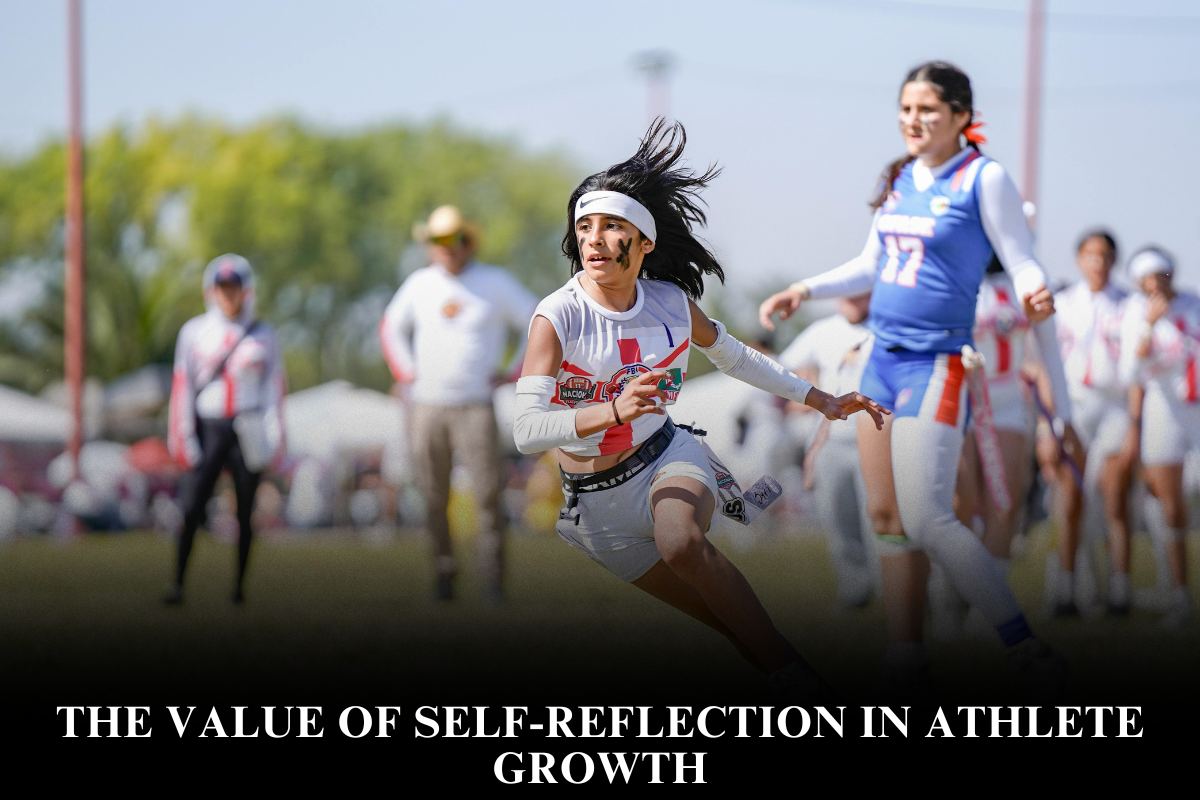
Programs in parks and recreation, like those in El Cajon and North Little Rock, use basketball clinics and flag football to teach teamwork, leadership, and confidence, particularly for underserved youth. Studies show mentees gain improved physical skills, self-confidence, and community connectedness, with parents valuing role models for academic and behavioral gains.
College Athlete Benefits
NCAA programs like the University of Colorado Athletic Mentorship Program (UCAMP) pair student-athletes with community mentors, boosting academic self-regulation, social belonging, and career readiness.
Key factors include effective matching, relationship persistence, and time investment, leading to stronger bonds and perceived career advantages, especially for international students. The Women’s Sports Foundation’s initiative with NBC Sports offers webinars on networking and branding, translating athletic skills into professional success.
Professional and Olympic Impact

NBA partnerships with MENTOR have recruited over 50,000 mentors since 2014, while Team USA emphasizes family and coach mentorship for holistic development. Olympic athletes credit mentors for goal-setting, injury recovery, and transitions, with programs like Athlete365 providing business acumen training. Peer mentoring in college athletics improves retention and productivity, as seen in studies on freshmen experiences.
Key Elements of Success
Successful U.S. mentorships prioritize engaging matches based on shared interests, consistent communication, and training for mentors on emotional support and goal alignment. Programs incorporate LTAD (Long-Term Athlete Development) roadmaps for skill progression and life skills like resilience. Diversity considerations enhance outcomes, with underrepresented athletes benefiting from role models in leadership roles.
Measuring Long-Term Outcomes
Mentorship yields measurable gains: enhanced promotion rates, reduced stress, and better decision-making under pressure. Youth programs report higher engagement and lower risk behaviors, while pros note smoother career pivots. Evaluations from NCAA CHAMPS/Life Skills integrate mentoring with classes on ethics and resumes, sustaining impact post-college.
Challenges and Solutions

Common hurdles include mismatched pairs and time constraints, addressed by structured training and evaluations. Programs counter this with small-group activities for teamwork and ongoing support networks. USA Football and similar bodies recommend phased involvement to build persistence.
| Program Level | Key Benefits | Examples |
|---|---|---|
| Youth | Confidence, life skills | NRPA Framework, PAL leagues |
| College | Academic retention, careers | UCAMP, WSF/NBC |
| Pro/Olympic | Transitions, resilience | NBA MENTOR, Athlete365 |
FAQs
1. How does mentorship differ from coaching in U.S. youth sports?
Coaching focuses on skills; mentorship builds emotional support, life skills, and belonging through daily interactions like reflections.
2. What evidence shows mentorship boosts college athlete GPA?
Studies like UCAMP report improved study habits and resource access via mentor guidance, reducing isolation.
3. Why is matching crucial in NCAA programs?
Effective pairs foster trust and persistence, leading to career gains; mismatches hinder bonds.
4. How do NBA-style programs aid pro transitions?
They pair athletes with business mentors for networking and skills like coaching prep.
5. Can mentorship reduce injury-related dropouts in Olympics?
Yes, by aiding mental recovery and planning, with ongoing support post-competition.