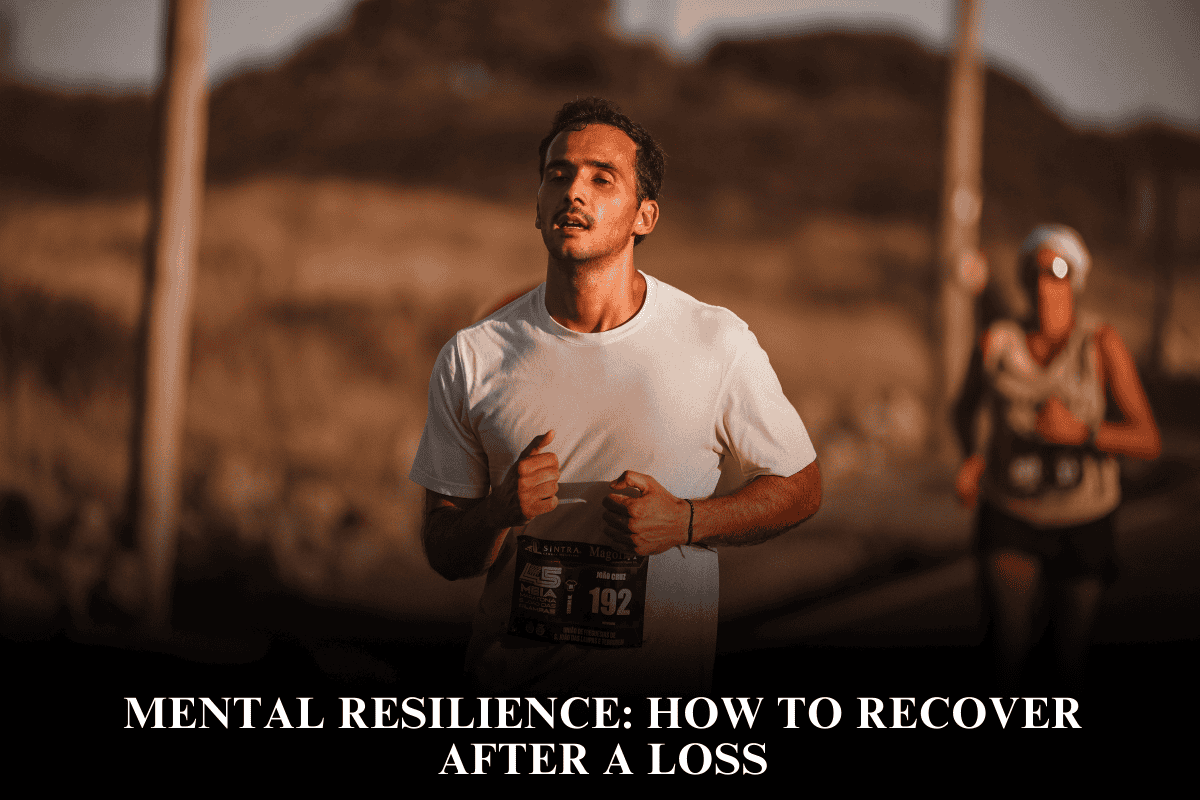
Recovering from a loss demands deliberate mental strategies to rebuild confidence and sustain long-term performance. Athletes and active individuals process setbacks through structured reflection, emotional regulation, and progressive rebuilding, turning defeat into growth fuel. These techniques foster resilience, essential for enduring pursuits like competitive swimming or community challenges.
Immediate Post-Loss Response
Acknowledge emotions without judgment to prevent rumination—allow 24 hours of detachment from analysis, engaging hobbies or social connections instead. Employ the “3-second rule”: note the loss briefly, then execute a reset ritual like deep breathing or a physical cue to refocus. This halts negative spirals, preserving mental energy for forward momentum.
Reflection and Learning

Conduct a structured debrief 48 hours later: list three strengths shown, two controllable improvements, and one unrelated positive from the event. Cognitive restructuring replaces thoughts like “I’m a failure” with “This reveals growth areas,” building a process-oriented mindset. Journaling patterns identifies triggers, enhancing future preparedness without self-criticism.
Rebuilding Techniques
Visualization: Daily 10-minute sessions imaging successful execution and triumphant returns, accelerating confidence restoration. Pair with positive self-talk cues like “Next play” during practice.
Mindfulness and Breathwork: Box breathing (4-second inhale, hold, exhale, hold) regulates the nervous system, reducing stress hormones post-loss. Progressive muscle relaxation releases tension, promoting sleep hygiene for emotional clarity.

Goal Setting: Apply SMART goals—specific rehab milestones like “three 20-minute sessions weekly”—tracking progress to stack small wins.
Long-Term Resilience Building
Incorporate weekly mental training: morning intentions, evening reviews, and boundary-setting to balance athlete identity with life roles. Surround with supportive networks for verbal persuasion, interpreting anxiety as preparation energy. Physical activity like yoga aids detachment, optimizing recovery across training cycles.
Consistent application yields faster bounce-backs, higher VO2 max focus under pressure, and sustained motivation for outdoor or team endeavors.
FAQ
What counts as a “loss”?
Any setback—competition defeat, injury, or unmet goal—requiring emotional reset.
How long for full recovery?
Varies; immediate detachment aids 24-72 hour stabilization, full resilience in 2-4 weeks with routines.
Best for beginners?
Start with breathwork and journaling; scale to visualization as comfort grows.
Does sleep matter?
Critical—7-9 hours nightly processes emotions, boosts clarity.
Prevent future slumps?
Routine mental prep pre-event builds “undefeated mind” via consistent resets.