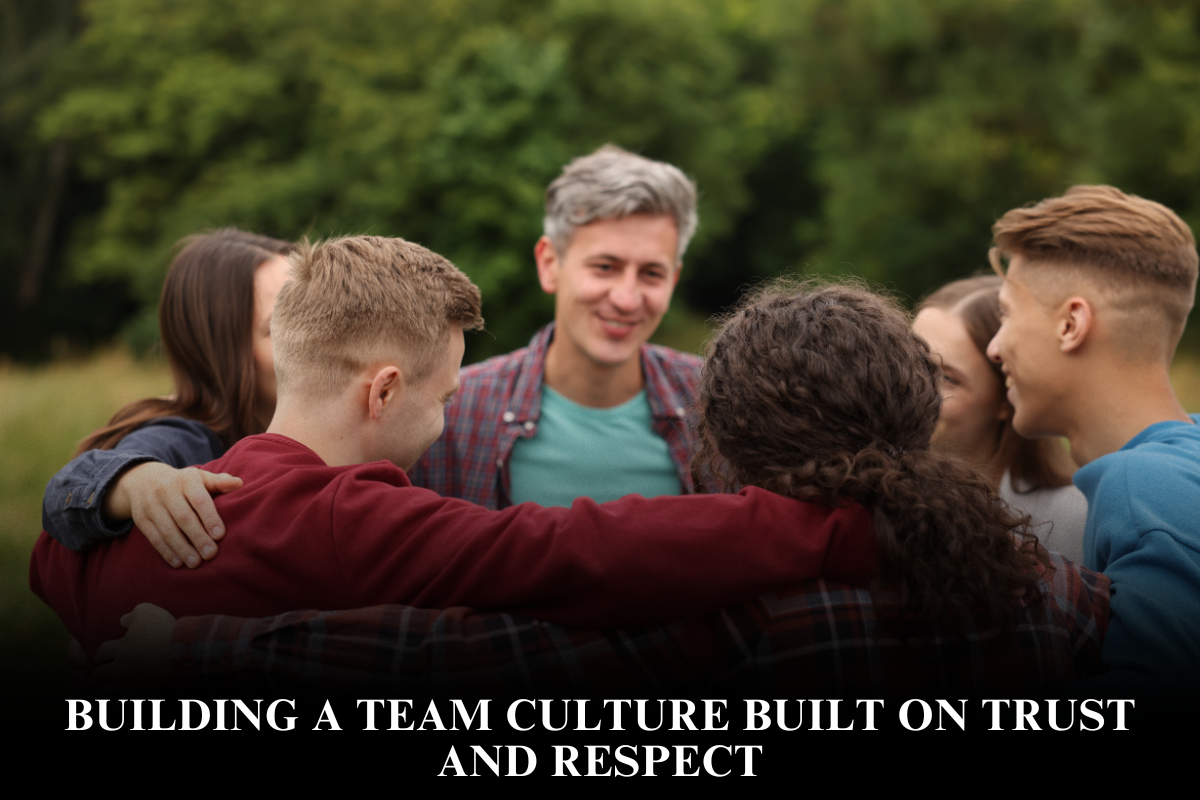
Building a team culture rooted in trust and respect transforms groups into cohesive units that excel under pressure, fostering open communication and mutual support. Coaches and leaders cultivate this by modeling vulnerability, setting clear expectations, and prioritizing relationships over results. This foundation enhances performance, resilience, and long-term success in sports.
Core Pillars of Trust and Respect
Trust emerges from consistent actions, like coaches demonstrating competence through preparation and empathy in feedback sessions. Respect grows via inclusive practices, such as recognizing diverse backgrounds and celebrating individual contributions during team meetings. Open communication channels—regular check-ins and honest dialogues—ensure everyone feels valued, reducing conflicts and building unity.

These pillars create accountability, where players hold each other to shared standards without fear of judgment.
Leadership’s Role in Culture Building
Leaders set the tone by leading by example, embodying integrity and active listening to inspire buy-in from athletes. They facilitate team bonding through off-field activities like dinners or workshops, strengthening personal connections that translate to on-field synergy. Effective leaders address challenges collaboratively, turning setbacks into growth opportunities that reinforce collective trust.
Prioritizing character over talent ensures sustainable culture, as seen in teams that thrive despite roster changes.
Practical Strategies for Implementation
- Hold weekly huddles for sharing strengths, motivations, and feedback to align goals and foster accountability.
- Organize bonding events, such as community service or casual outings, to build camaraderie beyond competition.
- Promote a growth mindset by rewarding effort and learning, not just wins, to encourage risk-taking in a safe environment.
- Enforce norms like respectful disagreement and ethical play to maintain high behavioral standards.

Integrate these into routines for gradual, lasting cultural shifts.
FAQ
Why is trust essential for team success?
Trust enables risk-taking, better collaboration, and quicker recoveries from errors, as players rely on each other’s commitment.
How do coaches build respect among diverse players?
By acknowledging cultural differences, listening actively, and creating inclusive spaces where all voices contribute equally.

What team activities strengthen bonds?
Social events, team dinners, and shared challenges like workshops promote personal connections and mutual understanding.
How often should culture-building check-ins occur?
Weekly meetings and post-game debriefs keep communication flowing and issues addressed promptly.
Can a weak culture derail talented teams?
Yes, individualism and poor communication lead to breakdowns, while strong culture elevates average rosters to championships.
What if conflicts arise despite efforts?
Use transparent dialogue and leader mediation to resolve them, turning them into trust-building moments.