Athletes who compete with purpose prioritize personal growth, team unity, and character development over mere victories, fostering lasting fulfillment and resilience. This mindset shifts focus from scoreboard outcomes to intrinsic values like effort, sportsmanship, and leadership, enhancing long-term performance and life skills. By embracing purpose-driven competition, players build mental toughness that sustains them through setbacks and transitions.
Defining Purpose in Competition
Purpose in sports means anchoring actions in core values such as discipline, respect, and continuous improvement rather than trophies or rankings. Successful athletes view competitions as opportunities for self-mastery, maintaining positive attitudes and balance between sport and life. This approach cultivates intrinsic motivation, where rewards stem from participation and growth, not just wins.

Studies show purpose-aligned athletes exhibit higher resilience, bouncing back from failures by focusing on process over results. Coaches reinforce this by teaching ethical decision-making and emotional regulation, turning games into character-building arenas.
Mental Skills for Purposeful Play
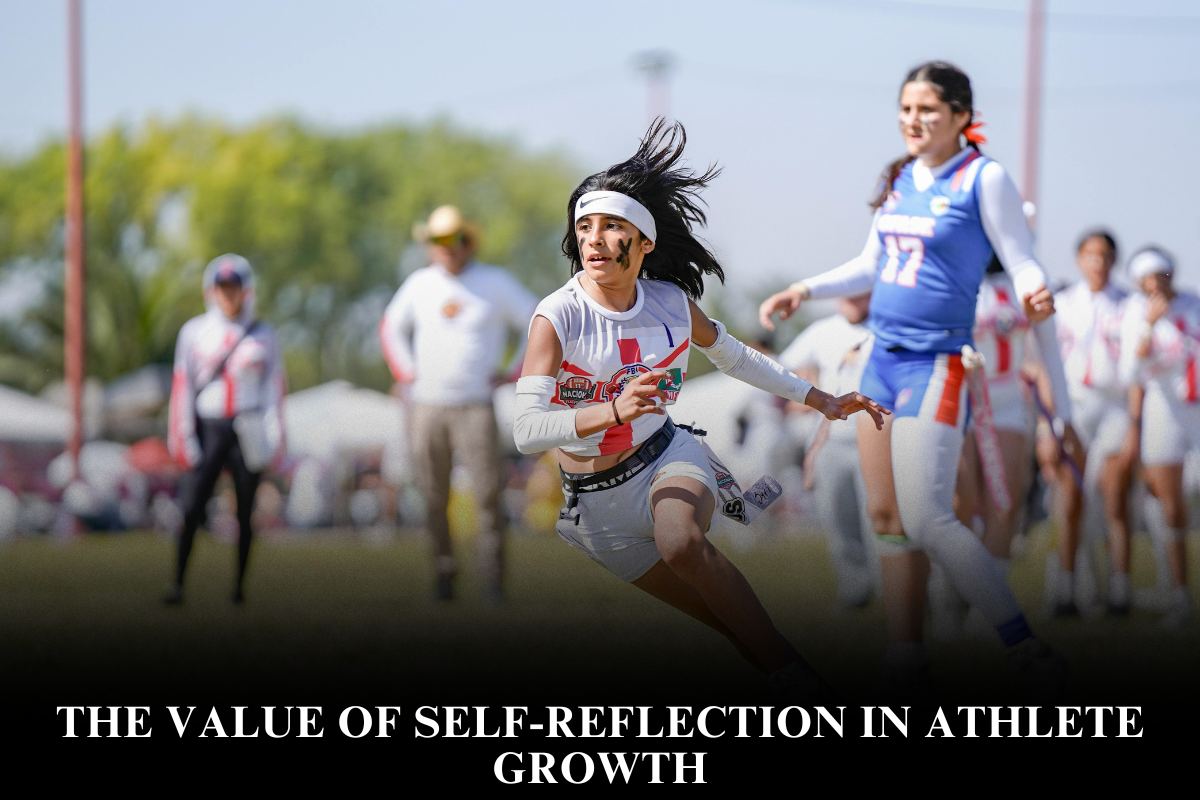
Key mental skills include goal-setting that emphasizes realistic, value-based targets like daily effort or teamwork contributions. Athletes practice positive self-talk, visualization, and mindfulness to stay present, reducing pressure from external expectations. Sports psychology tools help replace outcome fixation with process orientation, boosting confidence and focus.
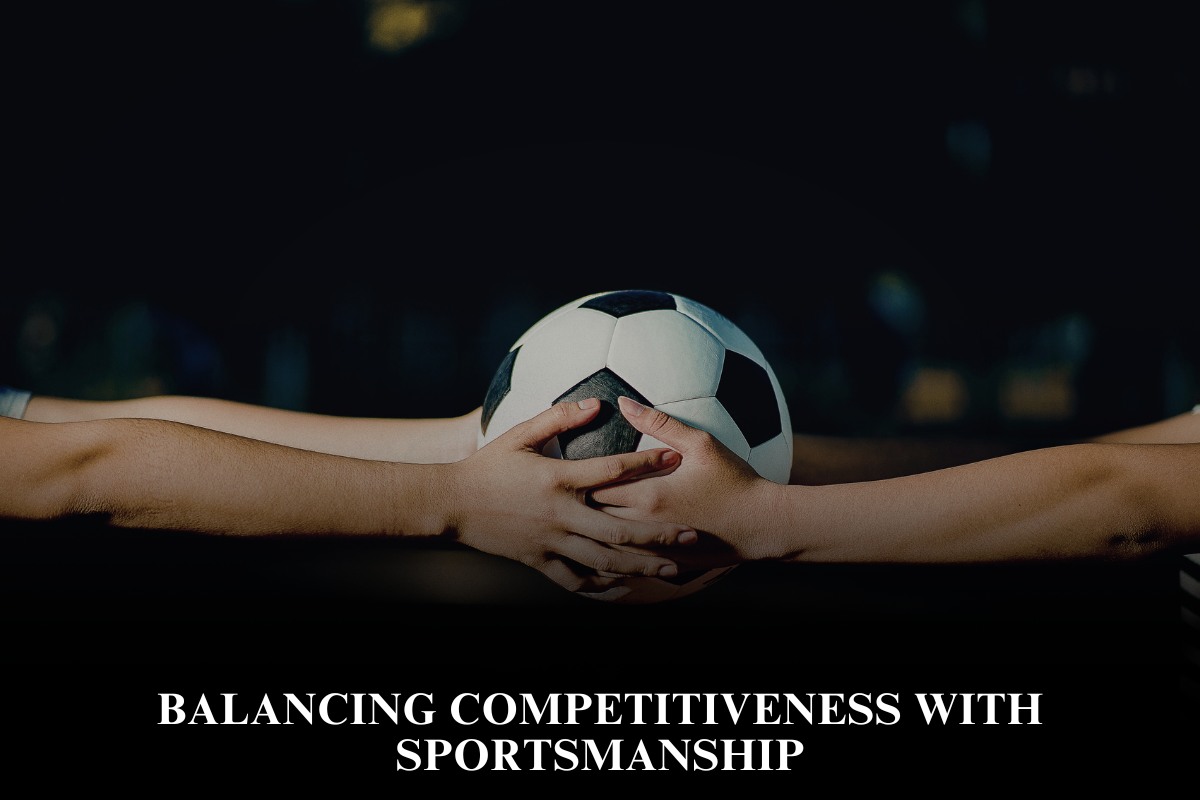
Leadership emerges as players model sportsmanship—fair play, humility in victory, and grace in defeat—uniting teams beyond individual stats. These habits develop resilience, accountability, and a growth mindset, applicable far beyond the field.
Building Lasting Impact

Purposeful competitors mentor peers, prioritize team success, and reflect on legacies through journaling or purpose mapping. Programs teaching ethical dilemmas and moral compasses prepare athletes for real-world challenges. Parents and coaches amplify this by celebrating effort, fostering joy and lifelong love for sport.
Evidence links these practices to improved well-being, with purpose mediating performance and psychological health via vigor and motivation. Ultimately, playing with purpose creates leaders who inspire through integrity.
FAQ
What does competing with purpose mean?
It involves focusing on values like growth and sportsmanship rather than just winning, building sustainable motivation and identity.

How does purpose improve resilience?
Purpose-based goals help athletes recover from setbacks by emphasizing process and intrinsic rewards over fragile outcomes.
Why prioritize sportsmanship in teams?
It fosters trust, unity, and ethical behavior, enhancing team performance and creating positive cultures led by example.
What mental skills support purposeful play?
Attitude, motivation, goal-setting, and visualization keep athletes process-oriented and balanced.
Can purpose-driven training benefit life skills?
Yes, it develops leadership, accountability, and emotional regulation transferable to careers and relationships.