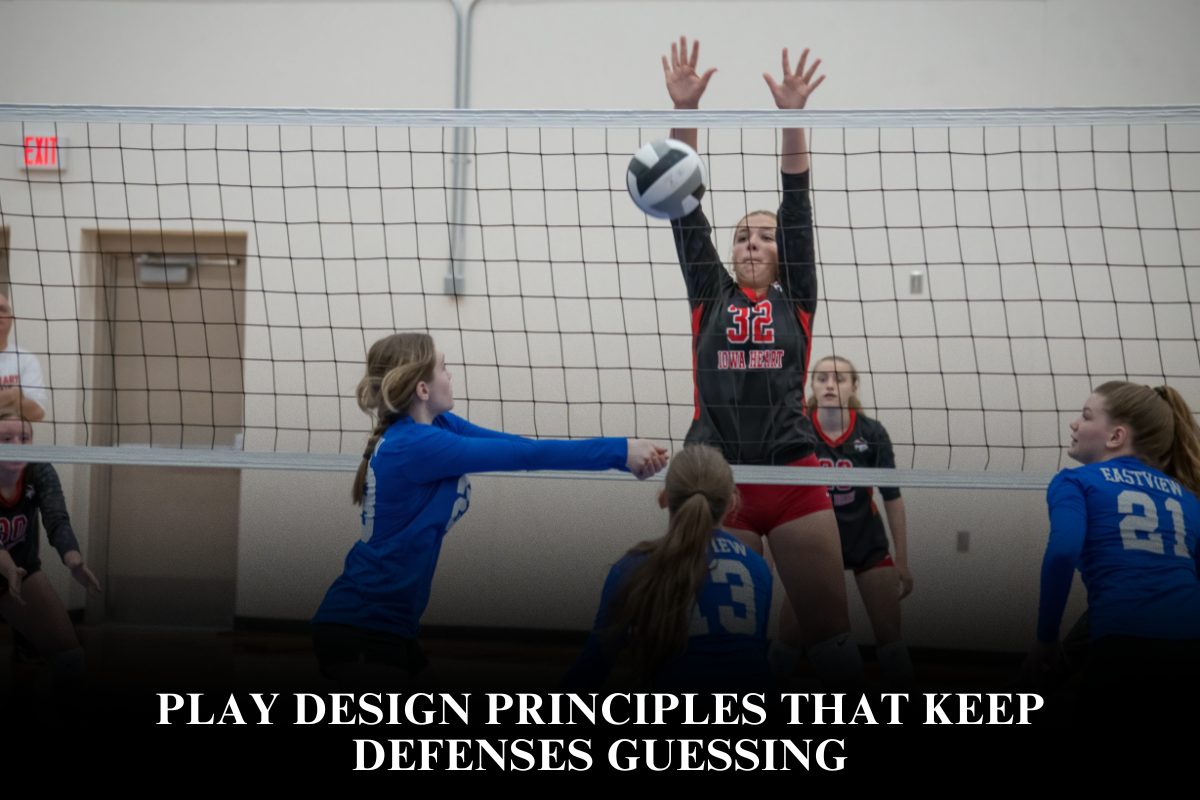
Effective play design principles in sports like football and basketball use unpredictability, misdirection, and dynamic movement to confuse defenses and create scoring opportunities. These strategies exploit defensive reactions, forcing hesitation and opening exploitable spaces on the field.
Core Principles of Deceptive Play Design
Penetration involves advancing the ball through or around defenders via precise passes or dribbles, disrupting their positioning. Creativity adds unpredictability through feints, one-touch combinations, or improvised risks that catch opponents off guard. Movement off the ball—such as rotations and diagonal runs—drags defenders out of shape, keeping them guessing about the next target.
Creating Space and Support

Spreading players wide and deep stretches the defense, isolating matchups and limiting coverage options. Support play ensures passing angles in multiple directions, enabling quick combinations that exploit gaps before defenses recover. These elements combine to control tempo and dictate defensive alignments.
Misdirection and Timing Tactics
- Use fakes and head movements to sell false intentions, like a crossover dribble in basketball that shifts defender momentum.
- Incorporate bunch formations or option plays in football to establish tendencies then break them, forcing reactive errors.
- Time deceptive passes or runs to coincide with defensive commitments, maximizing chaos from subtle cues.
- Balance formations with hybrid elements, blending run threats and passes to prevent single-focus defenses.
Benefits for Offensive Success
These principles enhance decision-making under pressure, turning predictable offenses into dynamic threats. Defenses must cover more ground and anticipate multiple threats, leading to fatigue and mistakes. Teams mastering them gain higher possession efficiency and scoring rates across levels of play.
FAQ
Q1: What makes movement so effective against defenses?
Movement creates uncertainty by dragging defenders apart and opening passing lanes, forcing constant readjustments.

Q2: How does creativity differ from standard play execution?
Creativity introduces improvisation like feints or risks, breaking patterns that defenses learn to predict.
Q3: Can these principles apply outside football and basketball?
Yes, concepts like misdirection and space creation work in sports like ultimate frisbee or soccer for similar disruptive effects.
Q4: How do coaches train players in deceptive timing?
Through small-sided games and drills emphasizing scanning, quick decisions, and reading defensive triggers.

Q5: Why is support play crucial for keeping defenses guessing?
It provides constant options, preventing defenses from settling into compact shapes or focusing on one threat.