Great teams excel not just in executing strategies but in their ability to adjust dynamically in real time during competition. This adaptability enables them to respond effectively to changing conditions, opponents’ tactics, and unexpected challenges, giving them a critical edge on the field.
The Importance of Real-Time Adaptation
Sports, especially team games, are fluid and unpredictable. Successful teams cultivate mental agility and situational awareness to recognize shifts in momentum, exploit weaknesses, and protect against threats. Adaptation involves modifying tactics, positioning, and communication spontaneously to maintain control and capitalize on opportunities. Such flexibility is a hallmark of elite performance and distinguishes champions from contenders.
Key Elements That Enable Adaptation
Communication

Clear, concise, and timely communication among teammates is vital for in-game adjustment. Verbal cues, hand signals, and shared tactical understanding allow players to coordinate transitions swiftly. Teams that foster trust and open communication channels experience quicker, more effective shifts in formation or play style.
Situational Awareness and Decision-Making
Players and coaches continuously analyze the evolving state of play, including score, time, opposing strategies, and physical conditions. Real-time data interpretation enables informed decisions, such as changing defensive alignments or aggressive pressing. Training enhances athletes’ cognitive speed and pattern recognition, equipping them to anticipate and respond fluidly.
Leadership and Roles
On-field leaders set the tone for adaptation by directing teammates, motivating decisiveness, and maintaining composure. Defined roles allow members to understand their responsibilities within tactical changes, reducing confusion and ensuring cohesive action. Captains and coaches often act as strategic anchors guiding moment-to-moment shifts.
Practice and Preparation

Teams that routinely practice varied scenarios and contingency plans develop muscle memory for adjustments. Flexibility becomes ingrained through drills simulating opposition tactics and environmental challenges. Preparation enables players to embrace change confidently rather than react hesitantly.
Examples of Real-Time Adjustments in Sports
- A basketball team switching from zone to man-to-man defense mid-quarter reacting to an opponent’s scoring run.
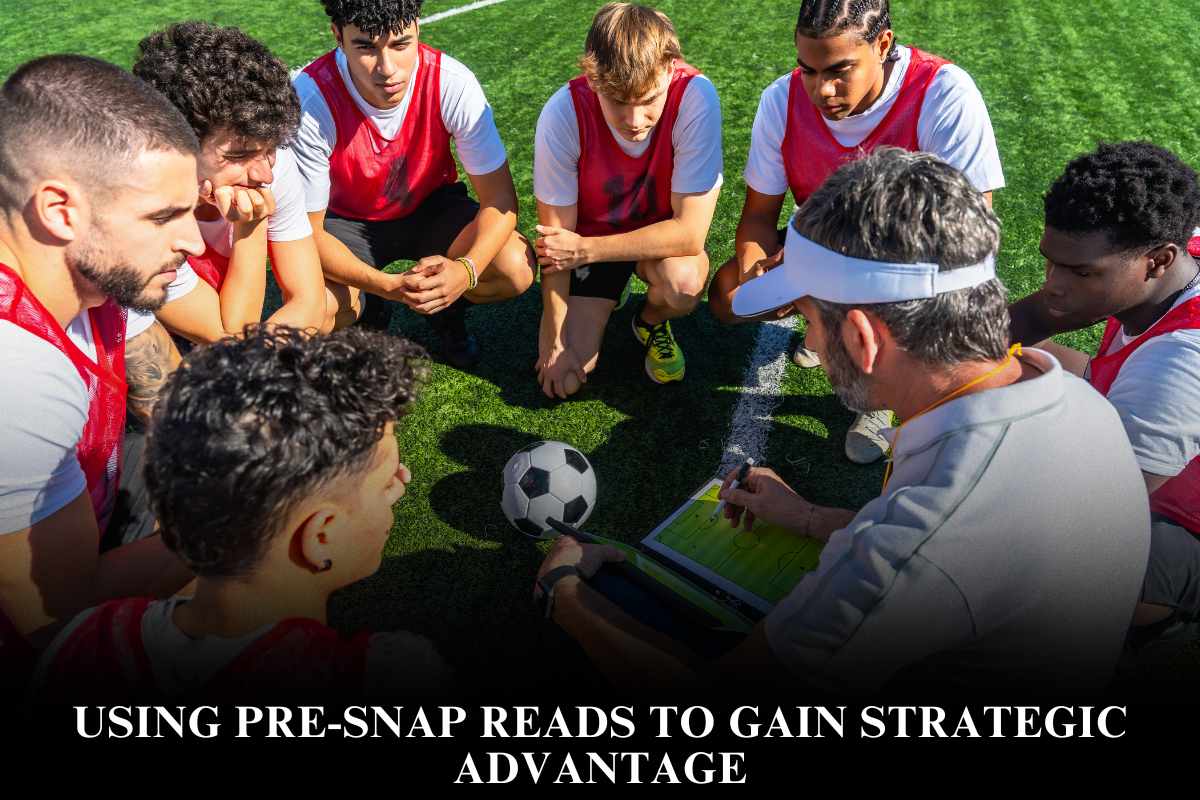
- A soccer coach substituting players and altering formation to exploit fatigue in the opposing defense.
- A volleyball team adjusting serving strategy and rotation pattern based on observations of the opponents’ weaknesses.
- A rugby side modifying tactics in response to weather or referee decisions during play.
FAQ
What does real-time adaptation mean in team sports?
It involves making immediate, strategic changes during play to respond to evolving game circumstances.
Why is communication crucial for adaptation?
It enables coordinated, timely tactical shifts and fosters trust needed for smooth transitions.

How do teams practice adaptability?
By simulating diverse scenarios, training tactical flexibility, and preparing contingency plans.
What role do leaders play in adaptation?
Leaders guide decision-making, motivate teammates, and ensure clarity of roles during adjustments.
Can real-time adaptation influence game outcomes?
Yes, teams that adjust effectively seize momentum, disrupt opponents, and enhance their chances of success.