Situational football focuses on mastering the critical hidden moments in a game that often decide victory or defeat. Success in these moments depends on preparation, game intelligence, and executing the right tactics under pressure. Teams that practice situational football scenarios regularly develop the skills to win close games by controlling chaotic moments, managing the clock, and executing strategically in key game phases.
Understanding Situational Football
Situational football refers to specific game scenarios like two-minute drills, third-and-short plays, red zone efficiency, goal-line stands, and responding to turnovers or penalties. These are not just about athletic skill but also about strategic decision-making and preparation. Teams that train for these moments know how to adapt quickly, execute with precision, and handle the pressure that comes with game-defining situations.
Why Winning Hidden Moments Matters

Small details like a single yard gained on third down, or a well-timed timeout, often determine outcomes in football. Situational football turns unpredictable game events into manageable challenges. For example, practicing responses to sudden turnovers or penalties means a team is ready to limit damage or capitalize on opportunities immediately. Mastery of these moments enhances player confidence, reduces mistakes, and improves overall team resilience.
Building Football IQ Through Situational Practice
Regular exposure to situational drills builds players’ football intelligence. For quarterbacks, mastering two-minute offenses means knowing when to spike the ball, avoid sacks, and identify open receivers quickly. Defensive players learn to anticipate tendencies and adjust to offensive strategies. This continuous learning through simulation helps players think strategically rather than just react instinctively, which is crucial in hidden moments.
Coaching Strategies for Situational Football
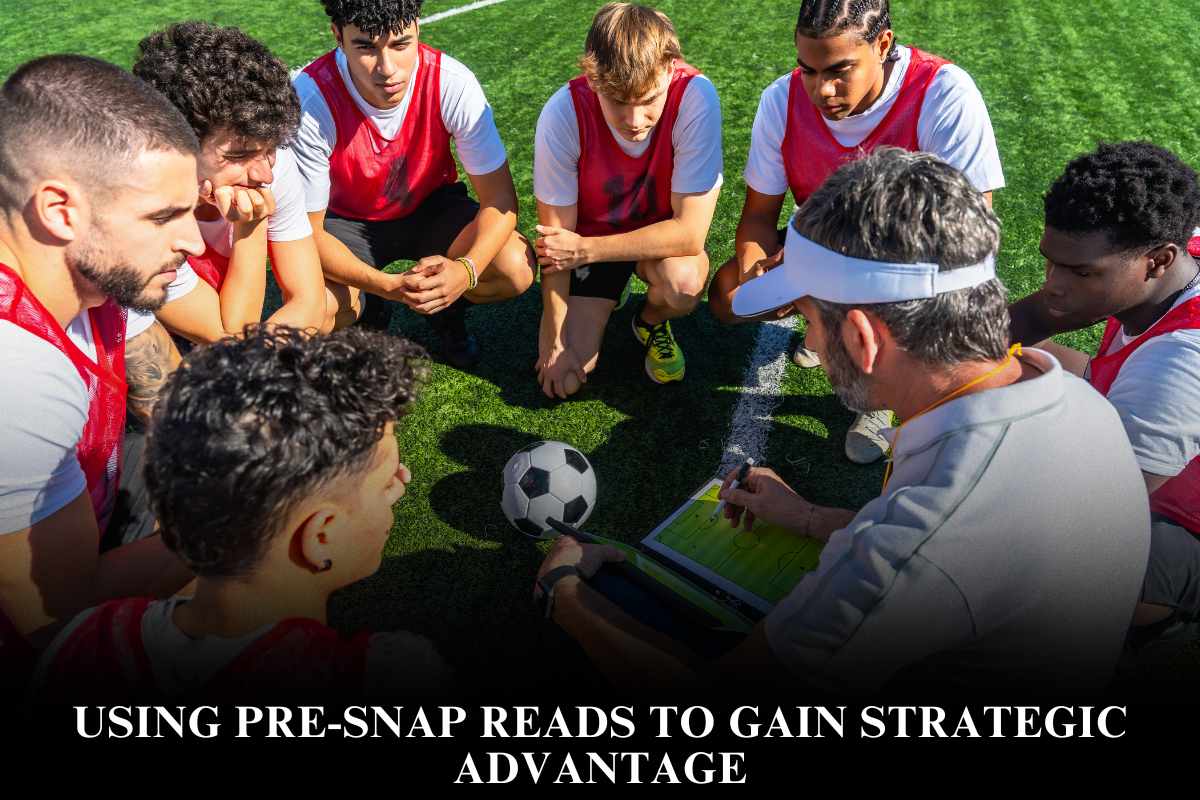
Coaches emphasize simulating game pressure by creating real-time practice drills like two-minute drills or sudden change scenarios. Teaching clock management—when to spike the ball, use timeouts, and milk the clock—is fundamental. Clear, concise communication for quick play calls and audibles is critical to avoid errors or panic during high-stakes moments. Incorporating these into practice routines prepares players to remain calm and perform under pressure.
FAQ

What is situational football?
Situational football is training and strategy focused on specific game moments like two-minute drills, red zone plays, and managing turnovers or penalties.
Why are hidden moments important in football?
They often determine the outcome by controlling momentum and minimizing costly mistakes, turning uncertain game situations into planned responses.
How does practicing situational football improve performance?
It builds players’ strategic thinking, decision-making skills, and confidence by regularly exposing them to game-like pressure scenarios.

What are key coaching methods for situational football?
Simulating game pressure in drills, teaching clock management, and emphasizing clear communication and quick decision-making.
Can situational football be learned at all levels?
Yes, though more complex at higher levels, teaching situational awareness and practice drills benefits beginners and pros alike.