Confidence through preparation in sports is rooted in mental training techniques that build focus, emotional control, and trust in skills before competition. Athletes gain their mental edge by rehearsing mental routines like visualization, breathwork, positive self-talk, and pre-performance rituals that anchor readiness. This foundation helps them stay calm and locked in during pressure moments, transforming tension into confident execution.
Mental Preparation Techniques
Athletes develop confidence by training their minds as intentionally as their bodies. Visualization allows them to mentally rehearse success and familiarizes the brain with the feeling of being “ready,” reducing anxiety when the actual game arrives. Breathwork and cue words regulate emotions by calming the nervous system, while positive self-talk shifts mindset from doubt to encouragement. Consistent practice of these techniques creates automatic responses so athletes perform instinctively without overthinking during critical moments.
Focus on Process, Not Outcome

Confidence thrives when athletes concentrate on the process of execution rather than worrying about external outcomes like scores or opponent behavior. This focus grounds them in the present, lowering distractions and preserving control. By breaking performance down into manageable parts—one play, one decision, one breath at a time—athletes reduce pressure and channel energy into what they can influence, leading to peak performance under stress.
Pre-performance Routines and Trusting Training
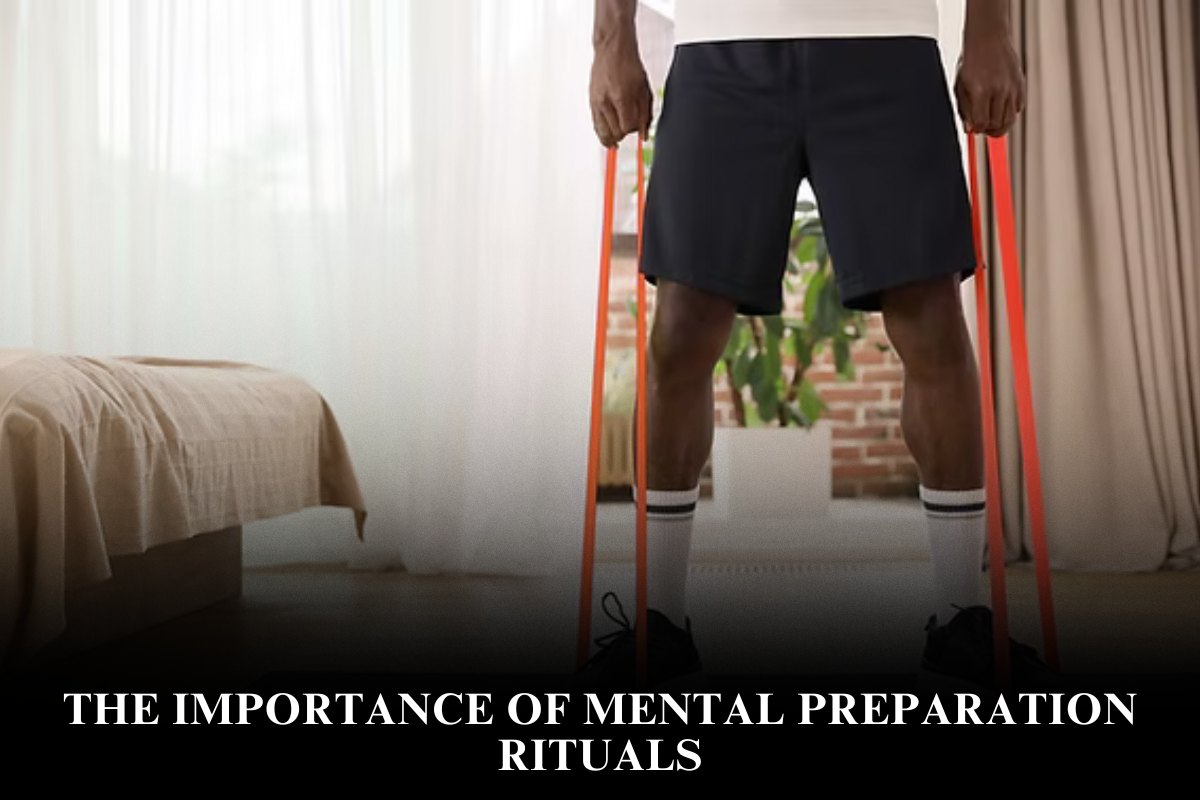
A personalized pre-game routine acts as a mental anchor that centers the athlete’s focus and primes the body for competition. Incorporating familiar physical and mental rituals reassures the brain and body that they are prepared. Athletes learn to trust their training and skills, which is key because doubt is a major confidence killer. By relying on routines and past preparation, athletes replace fear with trust, allowing skills to flow naturally.
Emotional Regulation and Mindset Shifts
Managing emotions like fear or nervousness during competition separates confident performers from others. Techniques include reframing pressure as a challenge or privilege rather than a threat, and using relaxation strategies to maintain calm. Mindfulness keeps athletes fully present, preventing negative spirals and enhancing concentration. This emotional control supports confidence even in high-stakes situations.
FAQ

How does visualization boost confidence?
Visualization mentally practices success, making the brain familiar with performing well and reducing anxiety when the real moment comes.
What role does self-talk play in mental preparation?
Positive self-talk encourages and motivates athletes, counteracting doubt and reinforcing confidence during practice and competition.
Why are pre-performance routines effective?
They create a sense of familiarity and readiness, helping athletes manage nerves and focus by repeating proven mental and physical preparations.

How can athletes stay focused on process rather than outcome?
By narrowing attention to immediate actions—like each play or breath—and avoiding distractions about final results or external pressures.
Can mindset shifts really improve confidence?
Yes, viewing pressure as an opportunity instead of a threat helps athletes stay calm and confident under stress.