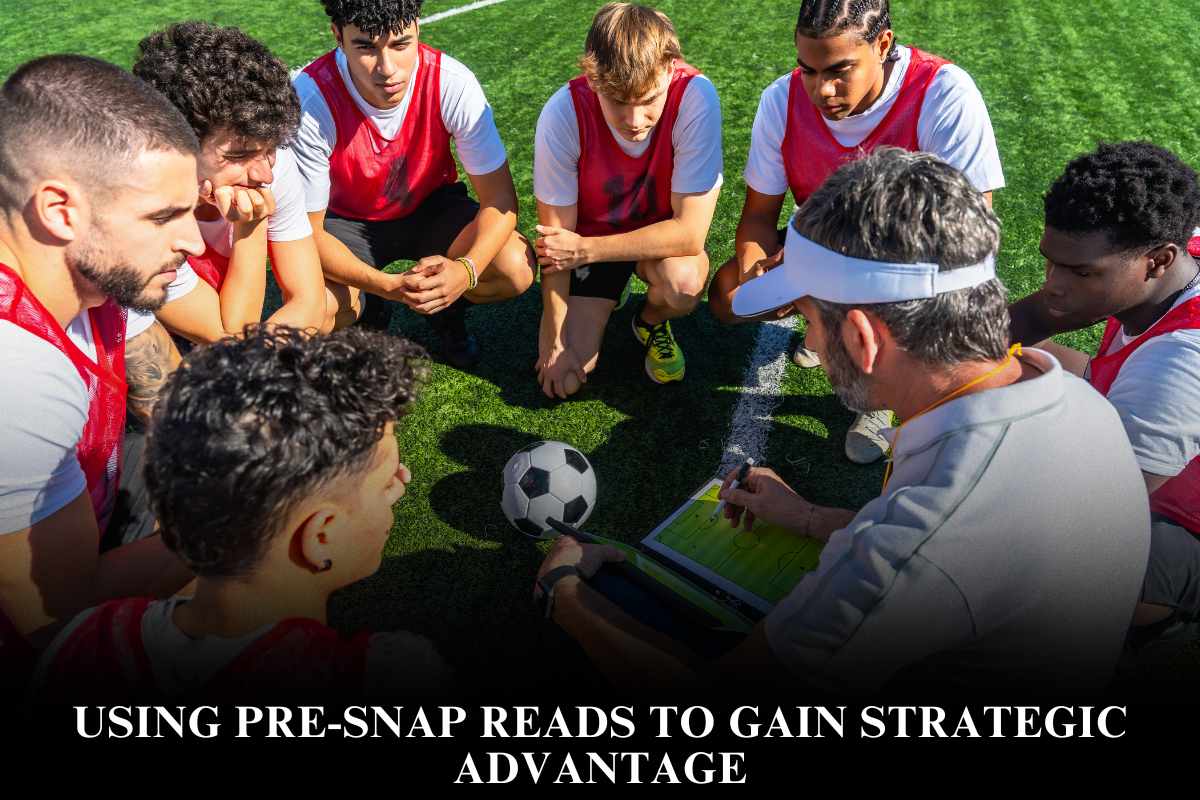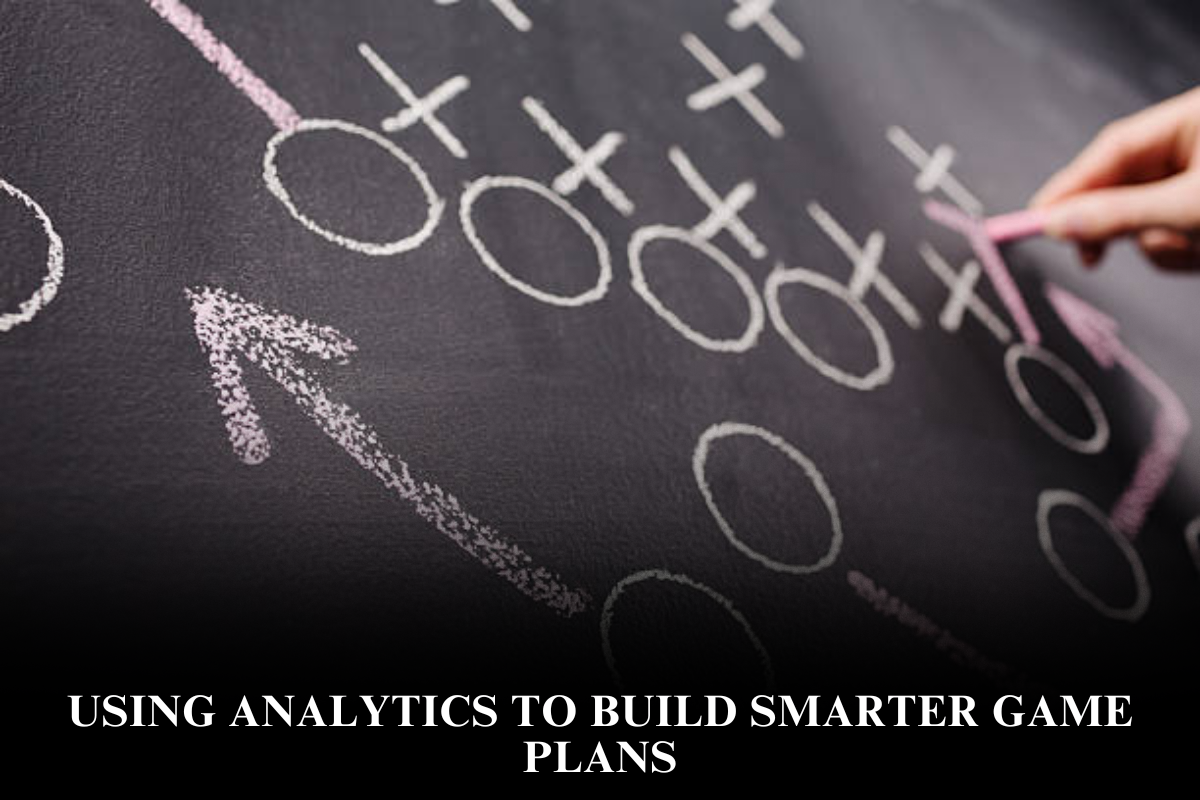
Analytics has become a game-changer in sports strategy, empowering coaches and teams to develop smarter, data-driven game plans that maximize competitive advantage and optimize player performance.
How Analytics Enhances Game Planning
- Detailed Opponent Analysis: Coaches utilize spatial analysis and performance metrics to identify opponent strengths, weaknesses, and tactical patterns. This allows for targeted game plans that exploit vulnerabilities and mitigate threats.
- Player Performance Optimization: Data on player movements, workload, and in-game actions help tailor individual training and positioning. Feedback from analytics informs decisions on substitutions, roles, and matchups for maximal effectiveness.
- Real-Time Tactical Adjustments: During games, analytic systems synthesize live data such as GPS tracking and video feeds, enabling coaches to make evidence-based tactical changes at halftime or on the fly.
- Predictive Modeling and Scenario Simulation: Machine learning models forecast opponent responses and potential game scenarios, helping teams prepare multiple contingency strategies and refine playbooks.
- Enhanced Fan Engagement: Visualized analytics enrich broadcasts and fan interactions, increasing understanding and enjoyment of game nuances while providing teams with marketing insights.
Implementation Tools
- GIS spatial data analysis maps player positioning and ball trajectories.
- Wearable tech monitors athlete biometrics for performance and health.
- Video analytics platforms integrate recorded matches with real-time stats.
- AI-based platforms generate strategic recommendations and pattern recognition.
FAQ: Analytics in Game Planning
Q: How does analytics improve coaching decisions?
A: By providing objective, real-time data on players and opponents, enabling strategic adjustments grounded in evidence.

Q: Can smaller teams benefit from sports analytics?
A: Yes, affordable analytics tools help teams at all levels optimize training, tactics, and player development.
Q: What types of data are most useful?
A: Player positions, movement patterns, workload, game outcomes, and opponent tendencies are crucial inputs.